A state committee in New Mexico has approved more than $40 million in behavioral health funding for rural regions. Areas around Roswell, Farmington, and Clovis are set to benefit from this investment, though questions remain over how Pueblos, tribes, and nations will be included.
Subscribe
Breaking News
Healthcare Reforms
Policy Analysis
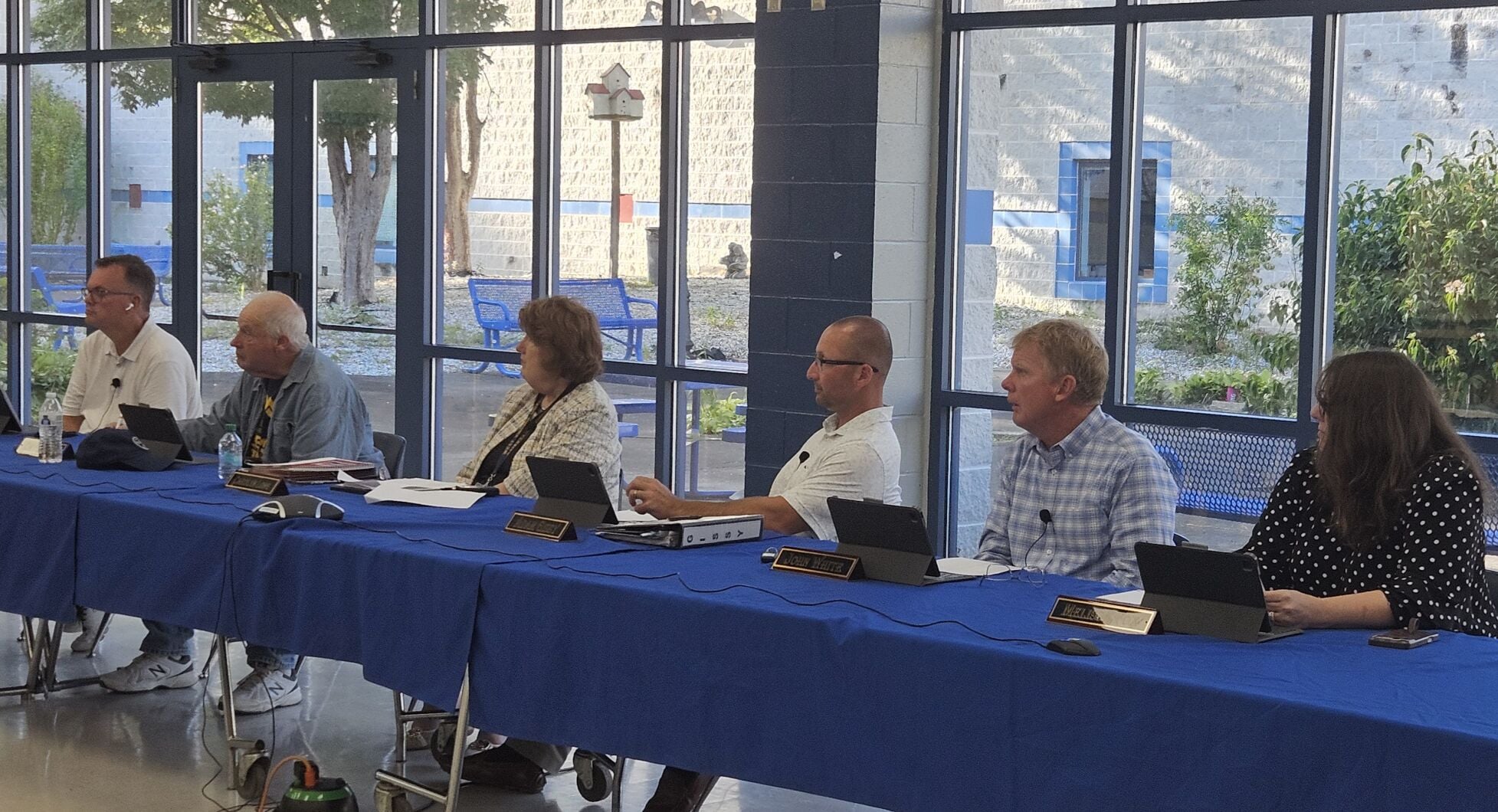
New Mexico behavioral health committee approves $40M for rural services

Key Takeaways:
- A state committee approved over $40 million in rural behavioral health funding.
- Roswell, Farmington, and Clovis stand to gain significant support.
- Concerns remain about how Pueblos, tribes, and nations will receive allocations.
- The funding aims to enhance mental health infrastructure across underserved communities.
- The article was reported by Albuquerque Journal on August 16, 2026.
A Step Forward for Rural Behavioral Health
New Mexico took a significant step toward addressing its mental health needs by approving a plan that dedicates more than $40 million to rural behavioral health initiatives. This development marks a concerted effort by a state committee to channel critical resources into remote areas burdened by limited access to care.
Focusing on Underserved Communities
The allocations specifically mention Roswell, Farmington, and Clovis—communities that have faced increasing demands for mental health services in recent years. With this infusion of funds, local providers could potentially bolster existing programs and explore new strategies to serve individuals in need of counseling, substance use treatment, and broader behavioral health support.
Open Questions for Tribal Allocations
While rural regions are expected to benefit substantially, the plan leaves open questions about how Pueblos, tribes, and nations will receive their fair share. The absence of specific details has prompted concerns among community members, who are eager to see whether these critical funds will reach tribal populations facing their own urgent mental health challenges.
Looking Ahead
As this funding package takes shape, the coming months will likely bring more clarity on how resources are split among rural communities and tribal groups. Observers are waiting for further guidance from state officials on how this momentous financial commitment will translate into accessible care for all New Mexicans, ensuring that no community is left behind in the pursuit of improved behavioral health services.