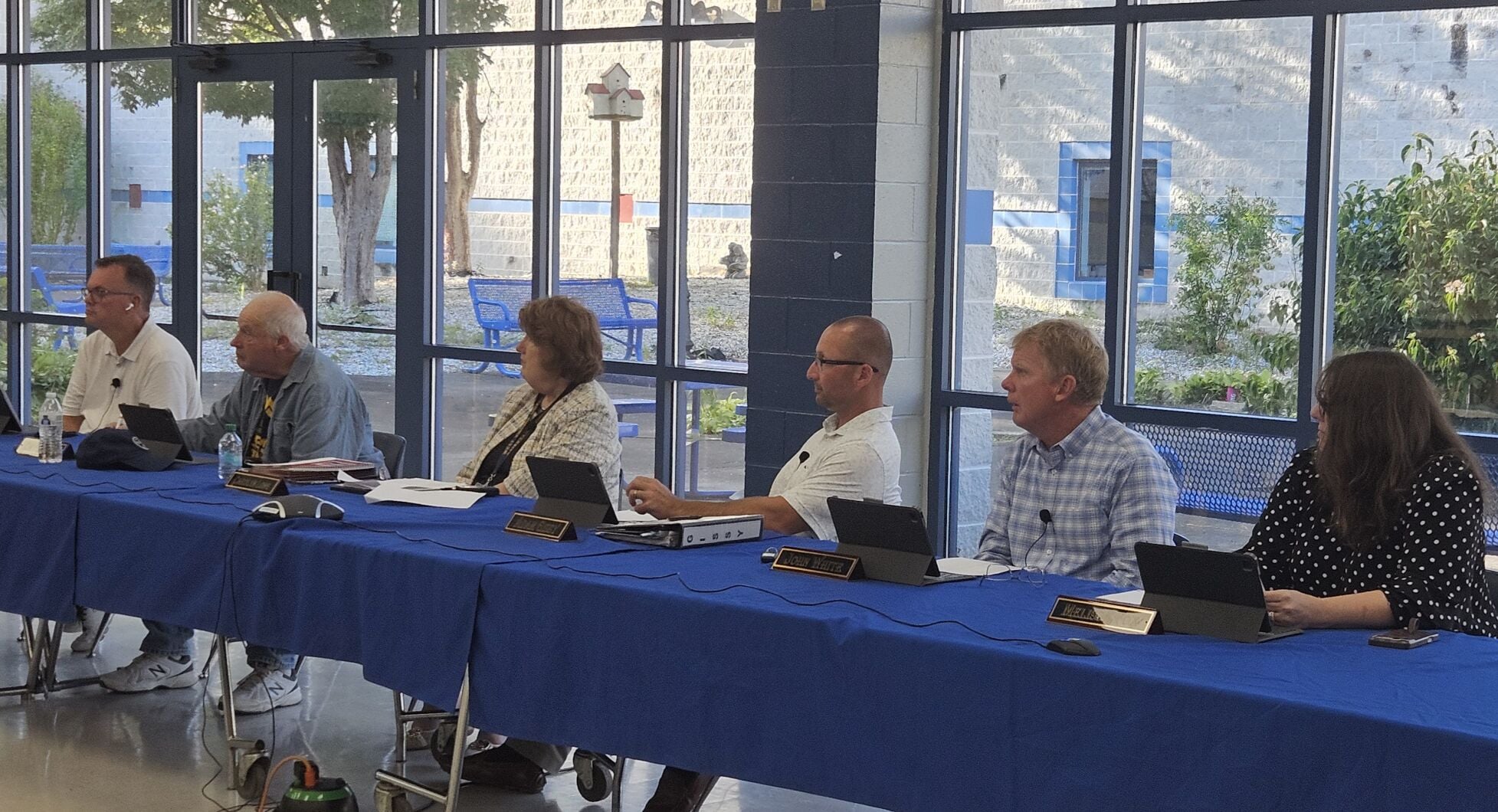
California’s local governments are under siege from cyberattacks, as a recent breach in Suisun City demonstrates. While Governor Newsom touts an AI Cyber Defense Program, many fear these measures may be too bureaucratic and too late. With foreign hackers eyeing America’s largest state, critics warn that real solutions, not titles, are overdue.
Subscribe
Breaking News
International Politics
Policy Analysis
Newsom brags about his high-tech ‘defense’ plan — as it puts America at catastrophic risk

Key Takeaways:
- A ransomware attack on Suisun City shut down local operations, underscoring critical vulnerabilities.
- Governor Newsom’s AI Cyber Defense Program is criticized for adding officials rather than providing hands-on support.
- Foreign adversaries such as Russia, China, and Iran are scanning U.S. infrastructure for weaknesses.
- Smaller towns and major cities alike risk substantial shutdowns without immediate, tangible fixes.
- Critics argue that committees and advisory roles cannot prevent ransomware from crippling vital services.
The Suisun City Cyber Lockdown
Hackers broke into Suisun City’s computer system on August 8, paralyzing day-to-day operations in a community of 29,000 people. Local officials were forced to call an emergency as they lost access to basic digital files and vital government services. This incident underscored a disturbing reality: even small municipalities are not immune to sophisticated ransomware attacks that can freeze entire city networks.
Newsom’s “AI Cyber Defense Program”
Two days after the Suisun City breach, Governor Gavin Newsom announced what he labeled a “first-in-the-nation” AI Cyber Defense Program. Instead of channeling immediate resources to aid local municipalities recovering from attacks, the program mandates every state department to appoint an “AI cybersecurity officer” and sets up another state-level office. Critics argue that such measures simply expand bureaucracy at a time when city and county governments need immediate funding, practical guidance, and technical expertise.
Foreign Adversaries and Real Threats
Authorities and cybersecurity experts warn that hostile actors from Russia, China, and Iran are actively scanning U.S. infrastructure, looking for weak points in real time. Not long ago, federal investigators uncovered Iranian-backed hackers targeting more than 30 water utilities in Minnesota. The implication for California, home to some of the most extensive and influential infrastructure in the country, is dire: ready-made targets for foreign governments seeking to disrupt American life.
Consequences for Major Cities
If grassroots governments remain defenseless, larger urban centers like San Francisco and Los Angeles may be next. Picture the lights flickering off in a metropolis of 810,000 people or 3.9 million residents facing stifling heat without air conditioning. Disrupted 911 dispatch systems and offline traffic lights would sow chaos in a matter of hours. The threat of foreign-backed hackers freezing essential city networks is no longer theoretical, and experts caution that the resulting havoc could be widespread and severe.
Calls for Tangible Support
While the governor touts the AI Cyber Defense Program, critics point out that the immediate needs go unaddressed. Local administrations require help with password protections, hardware upgrades, and cyber training, not more committees or inflated titles. Municipalities facing urgent threats often lack the budget or expertise to modernize their systems. Observers say that each day spent setting up new advisory roles instead of reinforcing infrastructure leaves Californians vulnerable to devastating attacks—illustrating the urgent need for hands-on aid and robust cybersecurity strategies over symbolic programs.