An opinion letter challenges the notion that noncitizens are voting en masse, arguing there is no meaningful evidence to back such claims. Senator Ron Johnson’s support for fundamental election standards raises questions about federal oversight of voting, touched upon in President Trump’s controversial proposal.
Subscribe
Policy Analysis
Voting Trends
No evidence suggests noncitizens are voting en masse | Jeff Virchow

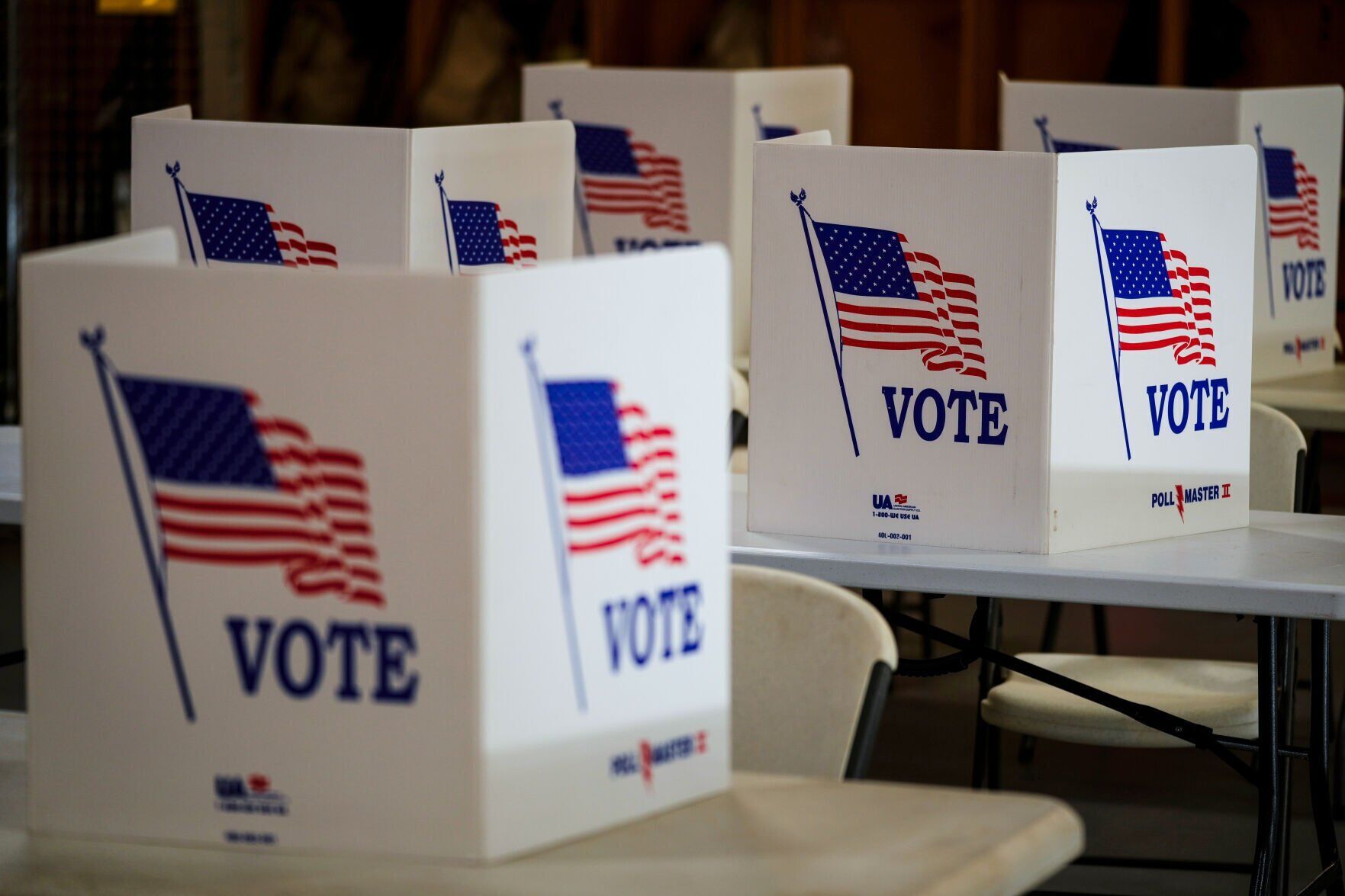
Photo by Kenosha News
Key Takeaways:
- President Trump’s proposal to federalize elections is described as unconstitutional.
- Senator Ron Johnson believes in setting some basic federal election standards.
- The letter asserts there is no substantial proof of widespread noncitizen voting.
- Constitutional concerns revolve around states’ rights vs. federal oversight.
- The debate highlights ongoing controversies tied to Trump’s broader claims of voter fraud.
Overview of the Debate
President Donald Trump’s plan to bring all national elections under federal control has sparked sharp criticism. In an opinion piece published by Kenosha News, the proposal is called unconstitutional and beyond the scope of federal jurisdiction. Senator Ron Johnson, R-Oshkosh, weighed in by suggesting that while basic national standards could be appropriate, the integrity of each state’s electoral process remains paramount.
Concerns Over Voter Fraud
At the heart of the letter is the assertion that there is no evidence of mass noncitizen voting. Despite recurring allegations in political debates, the piece argues that claims of widespread fraud have not been validated. In response to suggestions that federal reforms are necessary, the author points out the importance of verifying such accusations with factual proof.
The Constitutional Implications
Observers question whether shifting the entire responsibility from states to the federal government would stand up in court. Some argue that establishing common practices, such as uniform voter registration guidelines or ballot access requirements, should be weighed carefully against potential overreach. As highlighted in the letter, balancing state independence with federal guidance is a key legal concern.
Why This Matters
Allegations surrounding voter fraud, particularly those involving noncitizens, impact public confidence in the electoral system. While Senator Johnson acknowledges that certain baseline rules might enhance trust, critics fear that centralizing control could undermine equally important protections at the state level. This tension underscores wider controversies linked to President Trump’s debates on election integrity and accountability.
Conclusion
Ultimately, the piece emphasizes that claims of noncitizen voting on a large scale lack substantial proof. It points to the importance of supporting fair elections through prudent measures without overstepping constitutional boundaries. As this debate unfolds, stakeholders continue to weigh the need for reliable national standards against the core principle of states’ authority to govern their own election procedures.