An Orangeburg nonprofit is leading efforts to restore the historic All-Star Triangle Bowl, transforming a site of civil rights tragedy into a beacon of remembrance and community revitalization. Through grants and innovative projects, the city aims to honor its pivotal role in the civil rights movement.
Subscribe
Historical Sites
Political Movements
Smart Cities
Urban Areas
Nonprofit seeks to preserve Orangeburg’s civil rights history

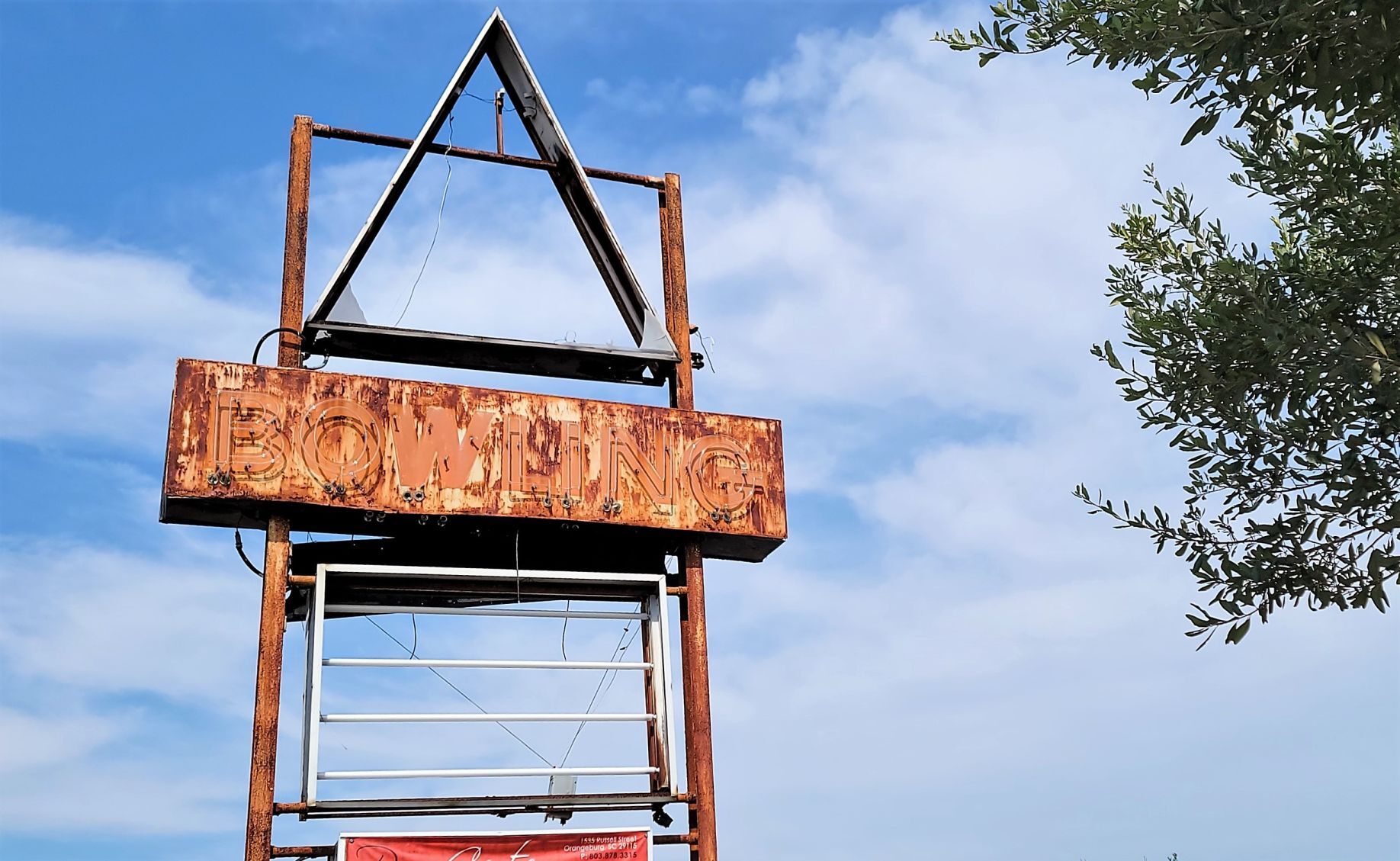
Photo by The Times And Democrat
Key Takeaways:
- The Center for Creative Partnerships is restoring the All-Star Triangle Bowl to highlight Orangeburg’s civil rights history.
- The organization has secured $2 million in grants for the bowling alley restoration.
- Plans include developing a civil rights trail connecting S.C. State to the bowling alley.
- A video project capturing 30 interviews about the civil rights era is underway.
- A virtual historic exhibit will showcase the evolution of east Russell Street using augmented reality.
Reviving a Historic Landmark
An Orangeburg-based nonprofit, the Center for Creative Partnerships, is spearheading efforts to highlight the city’s significant role in the civil rights movement. At the heart of these initiatives is the restoration of the historic All-Star Triangle Bowl on Russell Street.
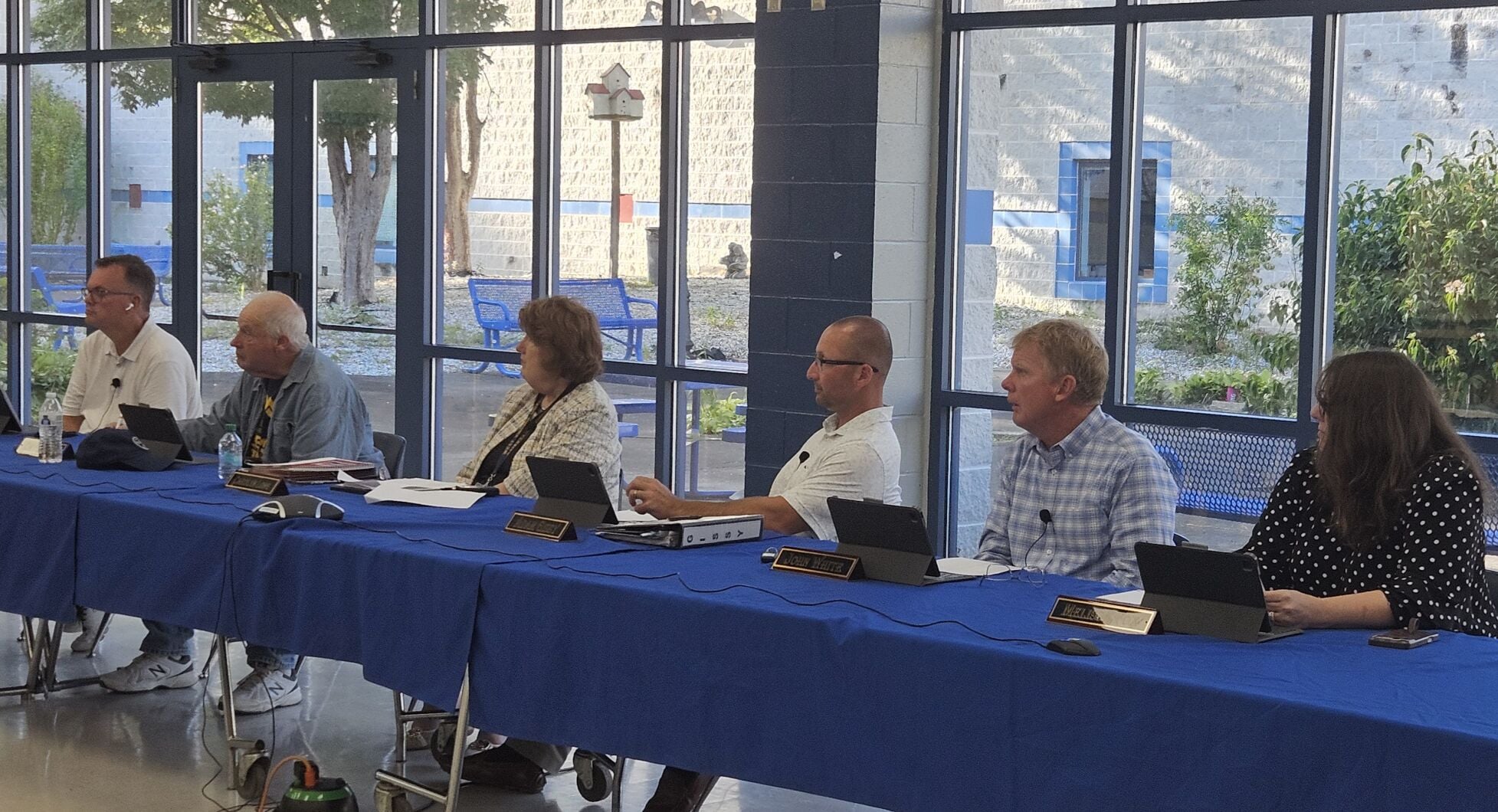
“We feel like we are really at the forefront of the redevelopment of Orangeburg and the revitalization here,” said Ellen Zisholtz, President of the Center for Creative Partnerships, during a meeting with the Orangeburg City Council on December 17.
Remembering the Orangeburg Massacre
On the night of February 8, 1968, tragedy struck when South Carolina Highway Patrol troopers opened fire on a crowd of protesters at the All-Star Triangle Bowl, following escalating racial tensions over efforts to desegregate the establishment. Three young lives were lost—South Carolina State College students Henry Smith and Samuel Hammond, and Wilkinson High School student Delano Middleton—and 28 others were injured. This event became known as the Orangeburg Massacre.
Restoration Efforts and Funding
The Center for Creative Partnerships has received three grants totaling $2 million from the National Park Service’s Historic Preservation Fund to aid in the restoration of the bowling alley. A fourth grant is being pursued to further support the project.
The restoration will include a new roof, asbestos removal, updated electrical and plumbing systems, and the installation of new restrooms, lunch counters, lighting, and floors. Upon completion, the bowling alley will feature 16 operating lanes and a lunch counter serving both inside and outside tables. A community gathering room is also planned for film showings, book signings, and commemorative exhibits.
Zisholtz anticipates that the bowling alley will reopen in two to three years, serving not only as a recreational venue but also as a monument to the city’s civil rights history.
Developing a Civil Rights Trail
In addition to the bowling alley restoration, plans are underway to develop a civil rights trail connecting South Carolina State University to the All-Star Triangle Bowl. The trail aims to extend further, creating a larger pathway through the city that highlights key historical sites.
The Center for Creative Partnerships is collaborating with urban designer and master planner Renee Kemp-Rotan of Studio/Rotan, known for directing the master plan for the Birmingham Civil Rights Heritage Trail. A $25,000 grant from the National Park Service’s African American Civil Rights Network and the Association of African American Museums is funding the first phase of the trail, which is expected to be completed in 2025.
Capturing History Through Voices
To preserve personal accounts of the civil rights era, the organization is developing a video project that includes 30 interviews scheduled to wrap up in January. “We will have some of it running in the museum. We will have some of it you can get from the trail,” Zisholtz explained.
The project has been made possible through grants of $20,000 from the City of Orangeburg, $25,000 from the National Park Service’s African American Civil Rights Network, and $15,000 from South Carolina Humanities.
Embracing Technology with a Virtual Exhibit
Embracing modern technology, the Center for Creative Partnerships has engaged Orangeburg native Paul Turner, CEO and founder of Virtual America, to create a virtual historic exhibit. Utilizing GIS mapping, 3D modeling, and augmented reality, the exhibit will showcase the historic evolution of east Russell Street from the Railroad Corner to the former Hotel Eutaw.
The exhibit is set to be unveiled to the public on March 30 at 3 p.m. at the Orangeburg County Historical Society on Middleton Street. Funded by a $30,000 American Rescue Plan Act grant received through the city, the project aims to bring history to life for visitors and residents alike.
Future Visions: Commemorative Park and Artist’s Village
Looking beyond current projects, the Center for Creative Partnerships owns about two-thirds of the parking lot serving the All-Star Triangle Bowl’s shopping center. Zisholtz envisions constructing a commemorative park from Russell Street to the bowling alley and justice center, providing a space for reflection and community engagement.
Additionally, plans are in motion to develop an artist’s village on the empty lot next to the bowling alley. In partnership with Washington, D.C.-based Renaissance Equity Partners, the project aims to create affordable apartments for artists, along with a downstairs visual arts studio, rehearsal space for performing arts, theater space, and a gallery museum. A daycare center where professional artists can work with children is also envisioned. This project could begin in 2025.
A Pivotal Step in Revitalization
Through these multifaceted endeavors, the Center for Creative Partnerships is not only preserving Orangeburg’s civil rights legacy but also contributing to the city’s revitalization. By transforming historical sites into active community spaces, the organization hopes to honor the past while fostering growth and unity for the future.
“We feel like we are really at the forefront of the redevelopment of Orangeburg,” Zisholtz affirmed, highlighting the profound impact these projects are poised to have on the community.