As artificial intelligence advances rapidly, Connecticut faces a crucial decision on regulating the industry without hindering innovation. Governor Ned Lamont cautions against stringent regulations that could stifle growth, while lawmakers push for consumer protections.
Subscribe
AI Ethics
Education Resources
Future of Work
Generative AI
Policy Analysis
On artificial intelligence, CT officials weigh regulation vs. stifling innovation

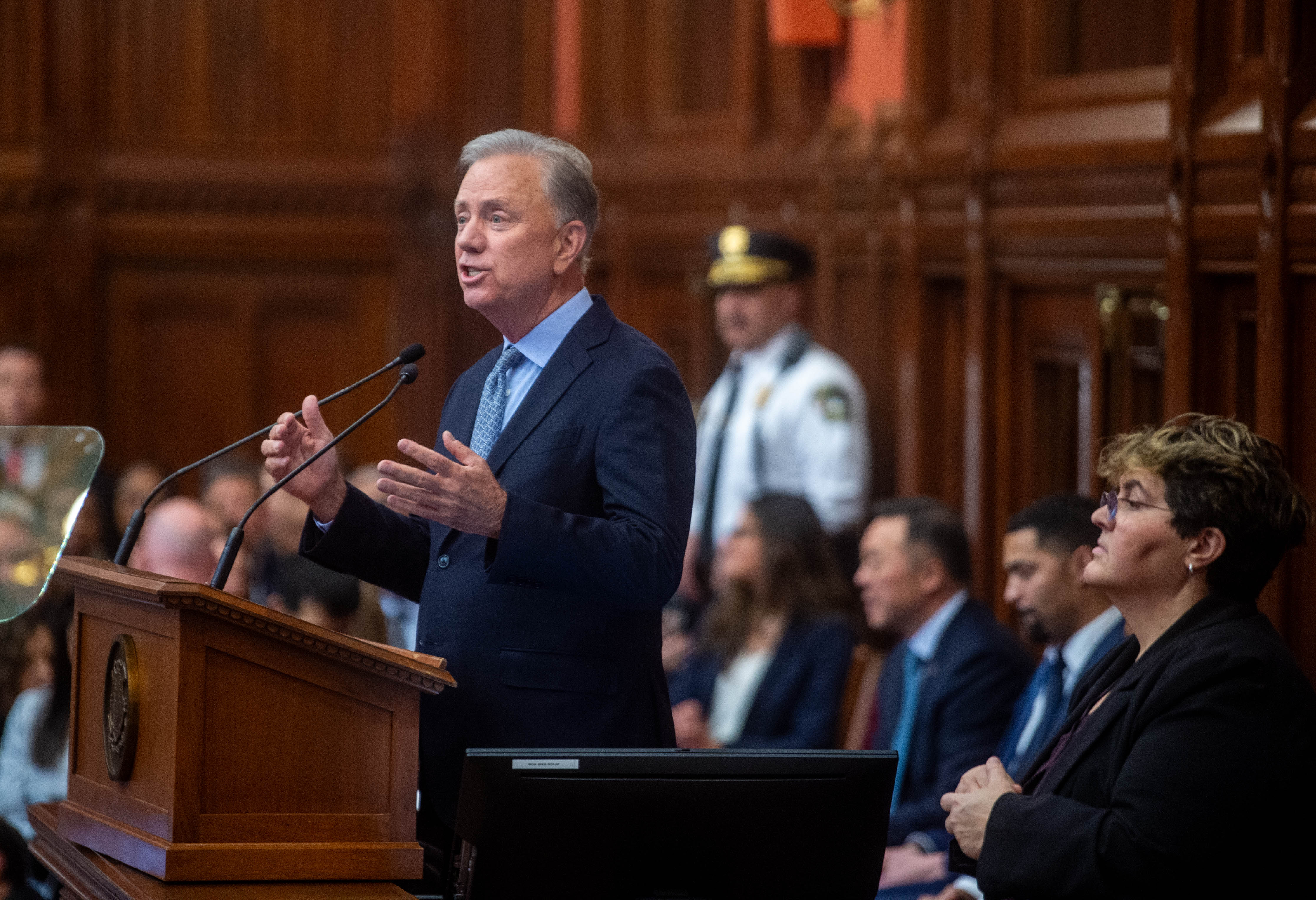
Photo by Courant
Key Takeaways:
- Governor Ned Lamont urges caution in regulating AI to avoid stifling innovation.
- Connecticut Democrats plan to propose AI consumer protection legislation before June.
- Lamont supports targeted legislation against deepfake pornography created with AI.
- Previous attempts to regulate AI in Connecticut stalled due to concerns over innovation.
- The state launched the Connecticut Online AI Academy to bridge the AI skills gap.
Balancing Innovation and Regulation in Connecticut’s AI Industry
As artificial intelligence gains momentum across the country, Connecticut stands at a crossroads between fostering innovation and implementing regulatory safeguards. Governor Ned Lamont expressed his reservations about imposing strict regulations on the AI industry, emphasizing the need to avoid stifling technological advancement.
Governor Lamont’s Cautionary Stance
“We have some of the most aggressive consumer protection laws in the country right now,” Lamont stated on Tuesday in Hartford. “I don’t want to do anything that slows up innovation and makes that smart, young programmer think that maybe it’s a little safer to do this in Georgia than it is in Connecticut.”
A former small business entrepreneur who founded his own company, Lamont opposed a Senate bill last year that aimed to make Connecticut the first state to regulate artificial intelligence comprehensively. His concern centers on maintaining a balance that protects consumers without discouraging innovation.
Legislative Efforts for Consumer Protection
Despite Lamont’s apprehensions, Connecticut Democrats are preparing to introduce consumer protection legislation related to AI. The proposed measures will undergo hearings and votes in the coming months, with the legislative session ending in June.
Senator James Maroney, a Milford Democrat and co-chairman of the general law committee, is leading the charge. Maroney and his colleagues seek to create regulations that safeguard consumers while considering the impact on technological growth.
Addressing Deepfake Pornography
While cautious about broad AI regulations, Lamont indicated his willingness to sign a narrowly focused bill targeting deepfake pornography created with artificial intelligence. Through advanced technology, malicious actors can manipulate images to produce explicit content without consent—a practice that has affected public figures like Taylor Swift and poses risks to private citizens.
“First off, it’s already illegal,” Lamont noted. “So what you’re doing is belts and suspenders, but that sometimes makes people feel confident. And if it’s very specific to election fraud and deep-fake, you know, absolutely.”
The Challenge of Regulating a Fast-Changing Industry
Business executives and lawmakers alike express concerns about the implications of regulating a rapidly evolving field. “This is so new. We’re just sort of winging it a little bit here,” Lamont acknowledged. “You’ve got to know what you’re regulating and be very strict about it.”
Senator Tony Hwang, a Fairfield Republican who served on the state’s AI task force, highlighted the profound impact AI could have on daily life. “If we get it wrong in a technology field that is moving at remarkable speed…for many businesses, it’s life or death,” Hwang said. “The technology changes minute by minute, not day by day.”
Investing in AI Education
Amid the regulatory debate, Connecticut is investing in AI education to prepare its workforce for the future. On Tuesday, Lamont attended the launch of the Connecticut Online AI Academy at the Artists Collective in Hartford’s North End. A partnership between Charter Oak State College and Google, the academy aims to “bridge the AI skills gap and empower Connecticut residents with the tools needed to thrive in the modern workplace.”
Residents interested in developing AI skills can register for the free online program at workforce.charteroak.edu.
Previous Attempts at AI Legislation
Last year’s attempt to regulate AI saw the state Senate pass a bill after more than four hours of debate, with a 24-12 vote along party lines—all Democrats in favor and all Republicans opposed. However, the bill never reached a vote in the House of Representatives, as leaders chose not to proceed in light of Lamont’s public veto threat.
The 53-page bill sought to expand criminal laws to include “deep fakes” and required AI developers to “use reasonable care to protect consumers from any known or reasonably foreseeable risks of algorithmic discrimination” based on factors like age, religion, or ethnicity.
Looking Ahead
As Connecticut navigates the complexities of AI regulation, the debate underscores the broader challenge faced by states nationwide: How to protect consumers and address potential abuses without hindering technological progress.
Lamont summarized the delicate balance, saying, “America has always been a great innovator, but our regulation is sort of a patchwork quilt and very erratic in that way. How to get that balance right is something I’ve got to work with Sen. Maroney on.”