Archaeologists and collectors once dug up over 1,700 Native American remains from burial grounds in Louisiana during the 19th and 20th centuries. Today, many of these ancestral remains are still waiting to be returned to their rightful communities.
Subscribe
Historical Sites
Pulled from Louisiana graves, hundreds of Native American remains still not returned to tribes

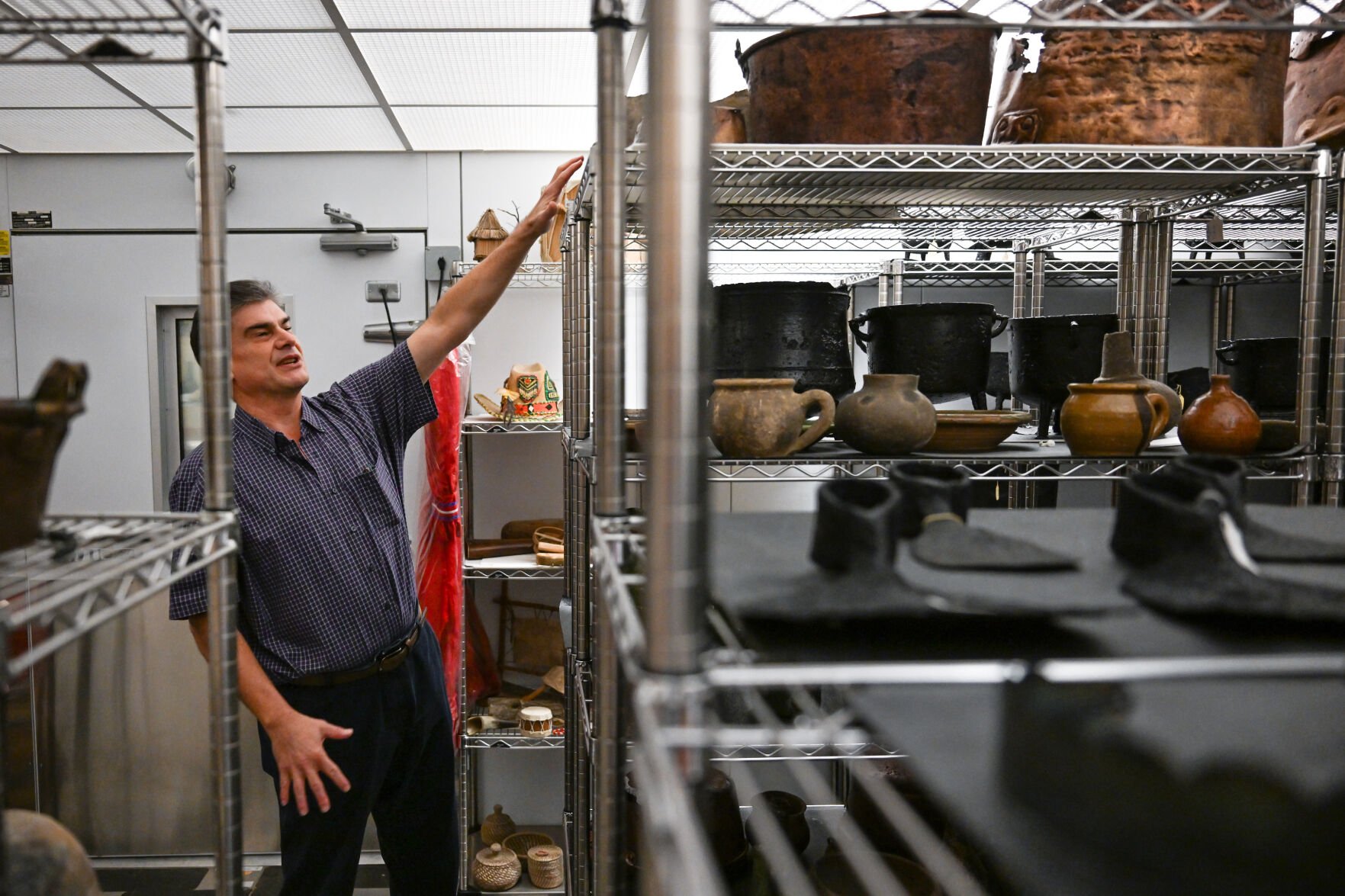
Photo by The Advocate
Key Takeaways:
- Over 1,700 Native American remains were excavated in Louisiana.
- These remains date back to the 19th and 20th centuries.
- Many remains have not been repatriated to their tribes.
- Researchers and collectors both contributed to the excavations.
- The effort to return these remains highlights broader cultural heritage issues.
A History of Excavations
In the 19th and 20th centuries, archaeologists and private collectors unearthed over 1,700 Native American remains from burial sites across Louisiana. These excavations ranged from formal fieldwork to more casual collecting practices, removing ancestral remains from sacred ground.
The Vast Number of Unreturned Remains
Despite increased awareness of the importance of returning human remains to their tribal descendants, hundreds of these remains still have not been repatriated. The sheer number underscores a long-standing problem that merges the arenas of scientific research, private collections, and Indigenous cultural rights.
Impact on Native Communities
The reverberations of these excavations continue to be deeply felt by tribal descendants. Many believe that until their relatives’ remains are laid to rest in accordance with cultural traditions, the spiritual and cultural disruption caused by these acts remains unaddressed.
A Need for Repatriation
Experts point out that honoring the ancestors through proper reburial is critical for preserving cultural heritage. These calls for repatriation echo through Indigenous communities, which emphasize the essential dignity owed to those who have passed on. Although awareness is growing, the struggle to reclaim these ancestral remains persists, reminding us that historical injustices require consistent and conscientious efforts to heal.