Throughout human history, rituals and religions have been at the very heart of civilizations, shaping cultures, influencing social norms, and guiding moral codes. From early human communities to the grand empires of antiquity, beliefs in the divine and the practice of rituals have played pivotal roles in uniting people, explaining natural phenomena, and providing a framework for life and death. But what lessons can we glean from these ancient practices in our modern world?
Subscribe
Ancient Civilizations
Rituals and Religion in Ancient Civilizations: What Can We Learn from Them?

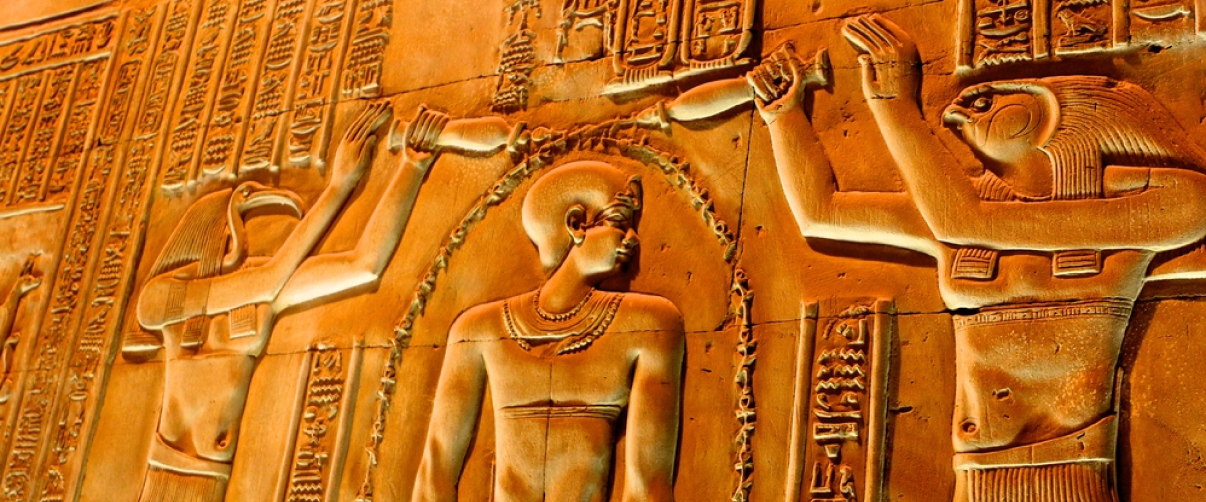
Image: @shutterstock 95827966
The Essence of Rituals in Early Human Societies
Rituals have been crucial for humans throughout history, serving as foundational elements that hold societies together. Evidence of ritualistic behavior dates back hundreds of thousands of years. For instance, the use of colored pigments for body and object decoration, beginning between 500,000 and 310,000 years ago, indicates early symbolic behaviors with possible ritualistic significance. The discovery of musical instruments like 42,000-year-old bone flutes suggests that our ancestors engaged in activities that fostered community bonds and shared identities. Rituals have been crucial for humans throughout history, creating a sense of belonging and continuity.
Religion as the Foundation of Civilization
As societies evolved, so did their religious beliefs and practices. In ancient civilizations like Egypt and Mesopotamia, religion was integral to everyday life, dictating social norms and influencing governance. The gods were perceived as superior beings controlling destiny, and people engaged in rituals to appease these deities for favorable outcomes. Polytheism was prevalent, with multiple gods overseeing various aspects of life and nature. This intricate system of beliefs embedded religion deeply into the fabric of ancient civilizations. Religion dictated social norms and influenced governance, affecting everything from laws to daily routines.
The Role of Rituals in Social Cohesion
Rituals served not only spiritual but also practical functions by reducing individual and collective anxieties. They provided a sense of control and community support, especially during significant life events. For example, rituals surrounding birth, marriage, and death helped individuals navigate life transitions with the support of the community. These practices brought people together to celebrate significant life milestones, reinforcing social bonds necessary for communal survival, particularly in times of crisis.
Temples, Art, and the Expression of Belief
Religious structures such as temples and shrines were central in ancient societies, serving as places of worship and symbols of a civilization’s wealth and devotion. The artistic depictions found within these structures provide invaluable insights into the religious practices and cultural values of the time. From the grand pyramids of Egypt to the intricate ziggurats of Mesopotamia, these monuments reflect the significance of religious beliefs and rituals in daily life. They demonstrate the lengths to which civilizations would go to honor their deities and the importance placed on the afterlife.
Lessons for the Modern World
What can we learn from the rituals and religions of ancient civilizations?
Community and Shared Practices: The importance of community and shared practices is evident. Rituals acted as unifying forces, fostering a sense of identity and belonging. In our modern, often fragmented societies, reinvigorating communal traditions could strengthen social cohesion and enhance collective well-being.
Understanding and Purpose: Ancient religions provided frameworks for understanding the world and humanity’s place within it. While our scientific understanding has advanced, the human quest for meaning and purpose remains. Exploring ancient philosophies can offer new perspectives on existential questions and moral considerations.
Respect for Nature: The reverence ancient civilizations had for the natural world teaches us about sustainability. Many rituals were tied to agricultural cycles and natural phenomena, emphasizing a harmonious relationship with the environment. In the face of current environmental challenges, adopting a more respectful and interconnected approach to nature could be highly beneficial.
Conclusion
Ancient rituals and religions offer a wealth of knowledge about human nature, societal structures, and our relationship with the world around us. Studying these practices provides insights into the foundational aspects of culture and community. By applying these lessons, we can address modern social and environmental issues, fostering a society that honors our innate need for connection, meaning, and respect for our environment.
Further Reading
For more insights into ancient religions and their impact on civilizations, visit the World History Encyclopedia’s article on religion.