New data on water is great, but we still lack political will
Despite the growth of new research on water, political resolve remains elusive. While data points to critical needs, a gap in policy action leaves pressing concerns unaddressed.
In a decision praised by local media, the Alaska Department of Environmental Conservation has bypassed a major legislative hurdle. A recent editorial lauds this approach, calling it a practical and forward-thinking move that “makes a lot of sense.”
Iowa is working on a new, more precise way to track its recycling efforts. The Iowa Department of Natural Resources plans to develop a comprehensive reporting and data-collection system that officials hope will reveal what works—and what doesn’t—across the state.
Despite more than 15,000 documented orphan wells on public lands in the United States, the Department of the Interior is proposing to roll back bond rates for energy developers. Multiple organizations warn that such changes could increase taxpayer costs for well cleanup and habitat restoration.
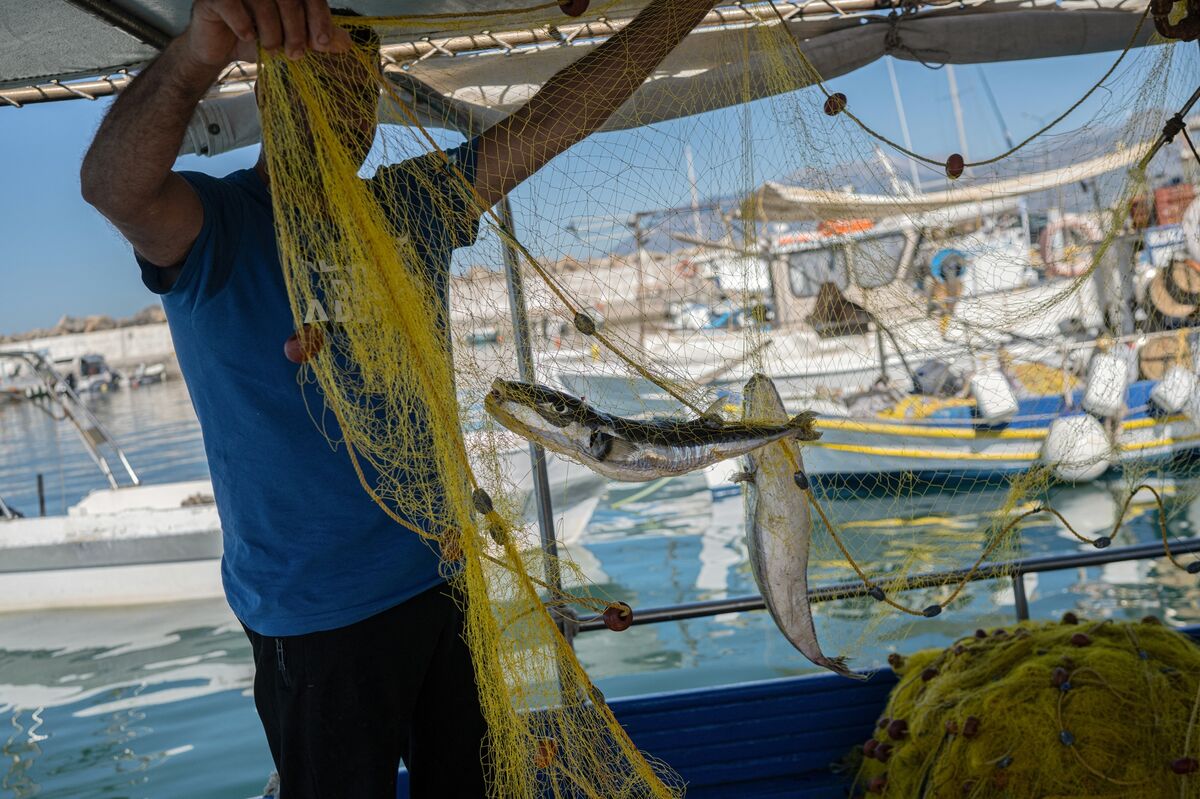
Greek authorities have announced a bounty program to control a surge of ravenous fish entering their waters. Drawn in by warming seas, these newcomers pose a serious threat to local marine life. Officials hope incentives will encourage rapid action against the rising invasion.
Local readers are urging their neighbors and leaders to handle hazardous waste at the community level, highlighting the importance of accountability. In an opinion piece published by Oregon Local News, contributors stress that each community must do its part to tackle waste responsibly.
Bend’s City Council is preparing to vote on a climate fee that could help the community meet its environmental targets. If approved, these measures may introduce higher installation costs for gas stoves in new homes, underscoring the city’s push for cleaner energy usage.
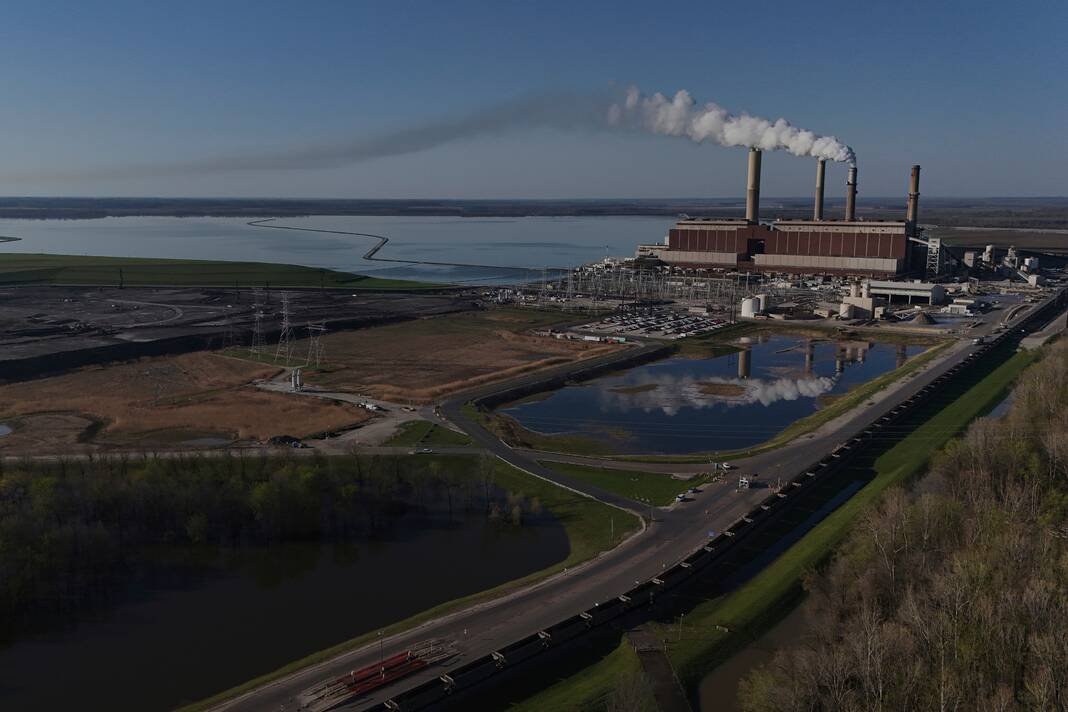
In a recent policy decision, the Trump administration relaxed federal limits on mercury and other harmful toxins released by coal-fired power plants. Industry observers and environmental advocates are expected to watch closely as the new standard takes effect.
Philadelphia shoppers now pay an extra 10 cents for every paper bag at checkout. While seemingly minimal, some residents worry these costs will pile up quickly and impact their weekly grocery budgets.
Minnesota environmental officials have unveiled plans to study the effects of sulfate pollution on wild rice. By examining recent scientific research and consulting outside experts, the state seeks to refine its understanding of varying sulfate levels and protect one of its most culturally significant resources.