Despite more than 15,000 documented orphan wells on public lands in the United States, the Department of the Interior is proposing to roll back bond rates for energy developers. Multiple organizations warn that such changes could increase taxpayer costs for well cleanup and habitat restoration.
Subscribe
Environmental Laws
Policy Analysis
Multiple organizations fighting new rules for drilling on public land

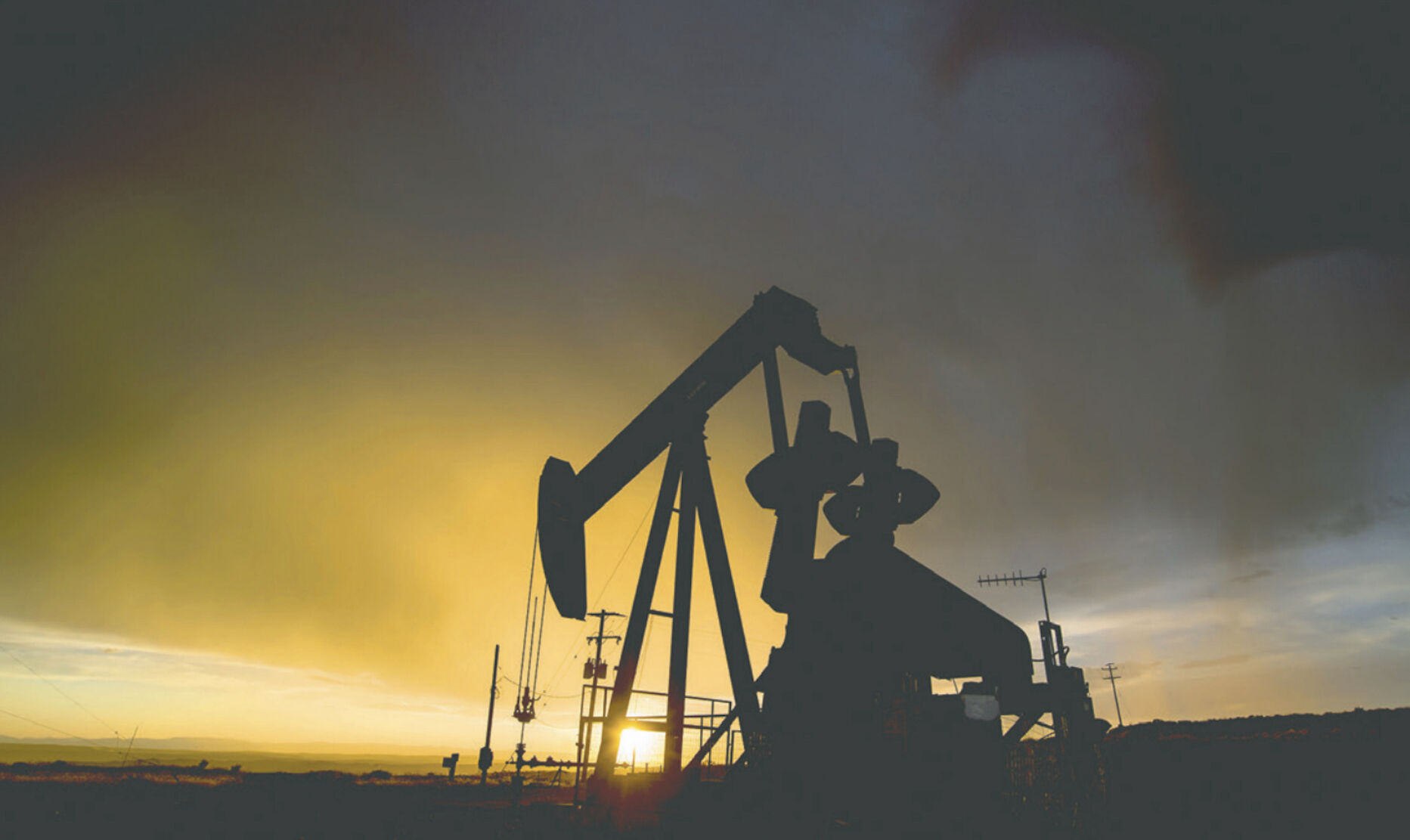
Photo by Wyoming Tribune Eagle
Key Takeaways:
- The Department of the Interior proposes rolling back bond prices for drilling on public land.
- More than 15,000 orphan wells on U.S. public lands pose a financial and environmental challenge.
- Critics argue reduced bonds increase the taxpayer burden for cleanup costs.
- Multiple organizations are rallying against the new rules.
- These proposed policy changes could shape the future of public land management.
Introduction to the Proposed Rollback
The United States Department of the Interior (DOI) has set forth a plan to reduce the financial bond prices required of oil and gas companies operating on public lands. The issue at stake is whether this shift will leave taxpayers shouldering even more costs when companies fail to plug and reclaim their well sites.
The Challenge of Orphan Wells
Currently, there are over 15,000 documented orphan wells on public lands across the United States. These wells no longer have an operator that can be held responsible for their proper closure, forcing taxpayers to step in and fund the plugging process and habitat restoration. Critics caution that lower bond requirements fail to address these existing burdens and could add to them in the long run.
Opposition from Multiple Organizations
Several organizations have voiced concern over the proposed rollback. They warn that easing the financial requirements for drilling companies reduces incentives to properly seal wells. As one group stresses, “Costly orphan wells should not become a permanent burden to the public.” These organizations insist that higher bonds act as an essential safeguard, ensuring companies face tangible accountability.
Potential Impact on Taxpayers
The central worry is that lower bond rates could increase the number of orphan wells if future operators walk away from environmental responsibilities. When that happens, it falls to government agencies—and ultimately the public—to fund cleanup measures. In states like Wyoming, where energy development on public lands is a significant industry, critics see the rollback as a step backward in protecting both the environment and taxpayer dollars.
Looking Ahead
While supporters of the rule changes believe it simplifies regulations, opponents argue that the move undermines responsible stewardship of public lands. As the conversation unfolds, many will be watching to see whether these bond rollbacks remain in place or are challenged at both administrative and legislative levels. In the end, many advocates believe that a robust regulatory structure and adequate financial guarantees are vital to preventing orphan wells from creating even greater economic and environmental burdens down the road.