A panel of pharmacists and nurse practitioners recently examined how interdisciplinary diabetes teams can better divide technology education, medication management, and follow-up care. Their discussion highlights the growing importance of collaboration and consistency in modern diabetes treatment.
Subscribe
Chronic Illness Management
Team-Based Diabetes Care: A Panel on Improving Outcomes, Access, and Education

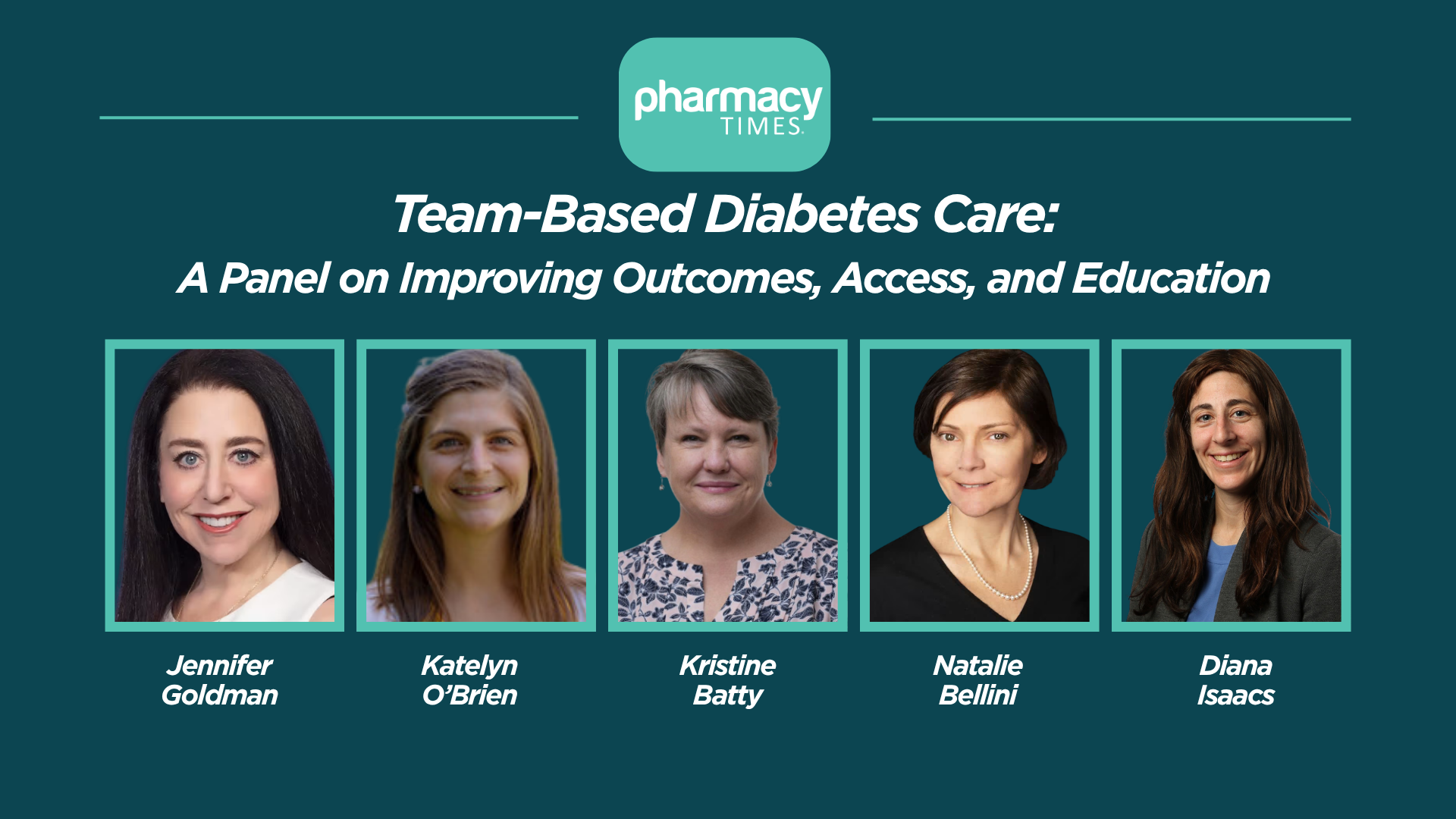
Photo by Pharmacy Times
Key Takeaways:
- Interdisciplinary Collaboration: Pharmacists and nurse practitioners work together to address diabetes care.
- Technology Education: Providing patients and professionals with the latest tools can transform disease management.
- Medication Management: Coordinated oversight helps tailor medication plans more effectively.
- Follow-Up Care: Regular check-ins boost patient adherence and improve long-term outcomes.
- Focus on Access: Ensuring patients receive timely support can reduce barriers to care.
An Interdisciplinary Approach to Diabetes
A panel of pharmacists and nurse practitioners convened to explore how team-based diabetes care can streamline treatment and bolster patient outcomes. Their conversation revolved around dividing tasks efficiently so that each member of the care team can contribute specialized expertise, whether in technology education or medication oversight.
The Role of Technology in Modern Diabetes Care
With new devices and platforms constantly emerging, the panel emphasized that educating both healthcare professionals and patients on technology is critical. Pharmacists often oversee training in device usage, while nurse practitioners provide ongoing support and address any day-to-day challenges patients might face. This shared responsibility ensures patients receive comprehensive guidance.
Medication Management Strategies
Coordinating prescriptions and monitoring patients’ responses to medications is another vital aspect of diabetes care. By embracing a team-based model, pharmacists can focus on optimizing medication regimens and preventing potential interactions, while nurse practitioners concentrate on regular patient assessments and adjustments to therapy plans.
Follow-Up Care and Boosting Accessibility
Maintaining consistent follow-up intervals allows healthcare professionals to promptly evaluate patient progress. The panel noted that when patients have access to regular check-ins, adjustment of their treatment plans can be more precise, and potential issues—like medication side effects—get flagged early.
Looking Ahead
The panel’s discussion underscores how a comprehensive, team-based strategy benefits individuals living with diabetes. From working together on technology education and medication management to formalizing frequent follow-ups, the panel concluded that collaboration remains the key driver of improved patient experiences and health outcomes.