Electric vehicles (EVs) are often hailed as a cornerstone in the fight against climate change. With major automotive companies pledging to shift entirely to electric models and governments worldwide offering incentives for EV adoption, it’s clear that electric cars are at the forefront of a transportation revolution. But amidst this surge, a critical question arises: Are electric vehicles truly green?
Subscribe
Electric Vehicles
The Environmental Impact of EVs: Are They Truly Green?

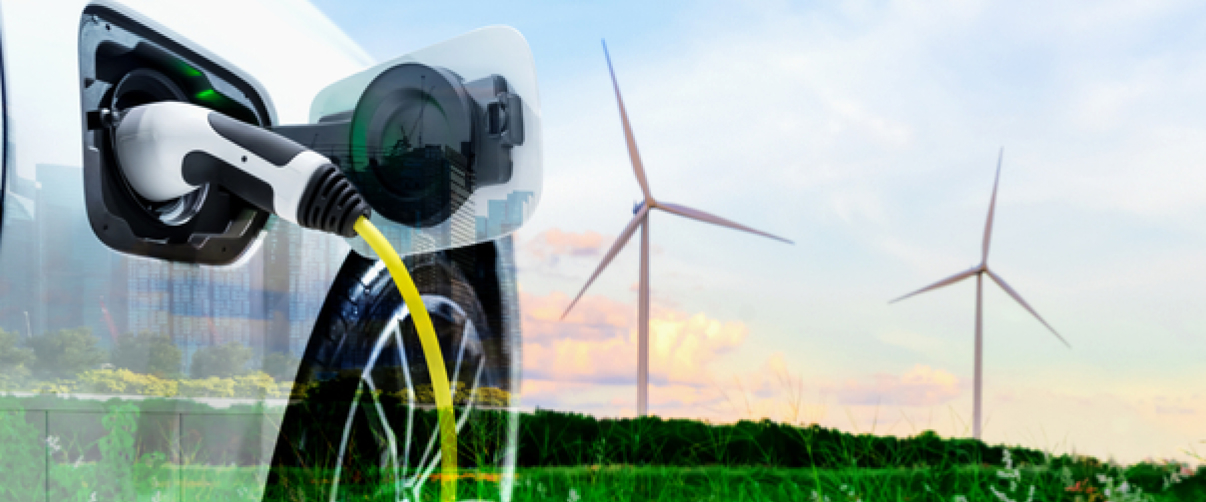
Image: @shutterstock 2013687914
The Promise of Electric Vehicles
At first glance, EVs offer significant environmental benefits. They produce zero tailpipe emissions, eliminating pollutants that contribute to smog and respiratory problems in urban areas. Moreover, electric motors are more energy-efficient than internal combustion engines, which means that EVs convert a higher percentage of electrical energy from the grid to power at the wheels.
The Hidden Environmental Costs
However, the true environmental impact of EVs is more complex. The manufacturing process of electric vehicles, particularly the production of lithium-ion batteries, is resource-intensive and can have significant ecological consequences.
Mining for Rare Earth Minerals
The batteries that power EVs require rare earth minerals such as lithium, cobalt, and nickel. The extraction of these materials is not only energy-intensive but also poses environmental risks. For instance, mining activities can threaten biodiverse regions, leading to habitat destruction and water pollution.
In some cases, the pursuit of these minerals has raised ethical concerns. Cobalt mining in the Democratic Republic of Congo, for example, has been associated with child labor and poor working conditions, highlighting the need for responsible sourcing.
Carbon Footprint of Manufacturing
Manufacturing EVs can result in higher carbon emissions compared to traditional vehicles due to the energy required to produce batteries. A significant portion of this energy often comes from fossil fuels, especially in countries where coal is a primary energy source. As a result, the initial carbon footprint of an EV can be substantial.
The Electricity Conundrum
An electric vehicle is only as green as the energy source used to charge it. In regions where electricity generation relies heavily on coal or natural gas, EVs may not offer significant emissions reductions compared to fuel-efficient gasoline cars.
However, as renewable energy becomes more prevalent, the environmental footprint of EVs decreases. By charging EVs with electricity from wind, solar, or hydropower, their operation can be virtually emission-free.
Battery Life Cycle and Recycling Challenges
The end-of-life management of EV batteries presents another environmental challenge. Currently, there is a lack of cost-effective recycling solutions for lithium-ion batteries. Without proper recycling infrastructure, used batteries can contribute to electronic waste and environmental contamination.
Efforts are underway to improve battery recycling technologies and to reuse batteries in secondary applications, such as energy storage systems for homes or businesses. Developing efficient recycling methods is crucial for minimizing the environmental impact of battery disposal.
Comparing Lifetime Emissions
Despite higher emissions during manufacturing, EVs generally have lower lifetime greenhouse gas emissions compared to conventional vehicles. This is largely due to the absence of tailpipe emissions and the increasing cleanliness of electrical grids.
A study by the Massachusetts Institute of Technology found that even when charged on a fossil-fuel-heavy grid, EVs emit fewer greenhouse gases over their lifetime than traditional cars. As the proportion of renewable energy in the grid rises, the environmental benefits of EVs will become even more pronounced.
Alternative Perspectives
Some experts argue that focusing solely on EVs may not be sufficient to achieve climate goals. Alternatives such as biofuels, hydrogen fuel cells, and improvements in public transportation infrastructure could play significant roles in reducing emissions.
For instance, natural gas vehicles and biofuels offer potential benefits and may serve as complementary solutions alongside EVs. A diversified approach to green transportation technologies may provide a more effective path toward sustainability.
Taking Action: What Can Consumers Do?
For consumers looking to reduce their environmental impact, purchasing an electric vehicle is a positive step. However, it’s important to remain informed about the broader implications.
- Research the Source of Electricity: Investigate how electricity is generated in your region. If possible, consider installing solar panels or opting for green energy programs offered by utility companies.
- Support Sustainable Practices: Choose manufacturers that prioritize ethical sourcing and environmental responsibility.
- Advocate for Recycling Programs: Encourage the development of battery recycling facilities and support policies that promote sustainable end-of-life practices.
If you’re interested in exploring electric vehicle options, you can browse the latest EV models available.
Conclusion
Electric vehicles have the potential to significantly reduce greenhouse gas emissions and decrease our reliance on fossil fuels. However, to fully realize their environmental benefits, it’s essential to address the challenges associated with their production, energy sourcing, and battery disposal.
By promoting renewable energy, investing in sustainable mining practices, and developing efficient recycling methods, we can enhance the eco-friendliness of EVs. A holistic approach that considers the entire lifecycle of electric vehicles is crucial in our journey toward a truly green transportation future.
Note: This article is based on information from various sources, including environmental studies and expert analyses.











