Plastic pollution has become one of the most pressing environmental issues of our time. With plastic production skyrocketing from 2 million tonnes in 1950 to over 450 million tonnes annually today, the world is grappling with an unprecedented volume of plastic waste. The convenience of disposable plastic products has led to a culture of single-use consumption, overwhelming global waste management systems and leading to significant environmental degradation.
Subscribe
Plastic Waste
The Global Plastic Crisis: How Different Countries Are Tackling the Plastic Waste Problem

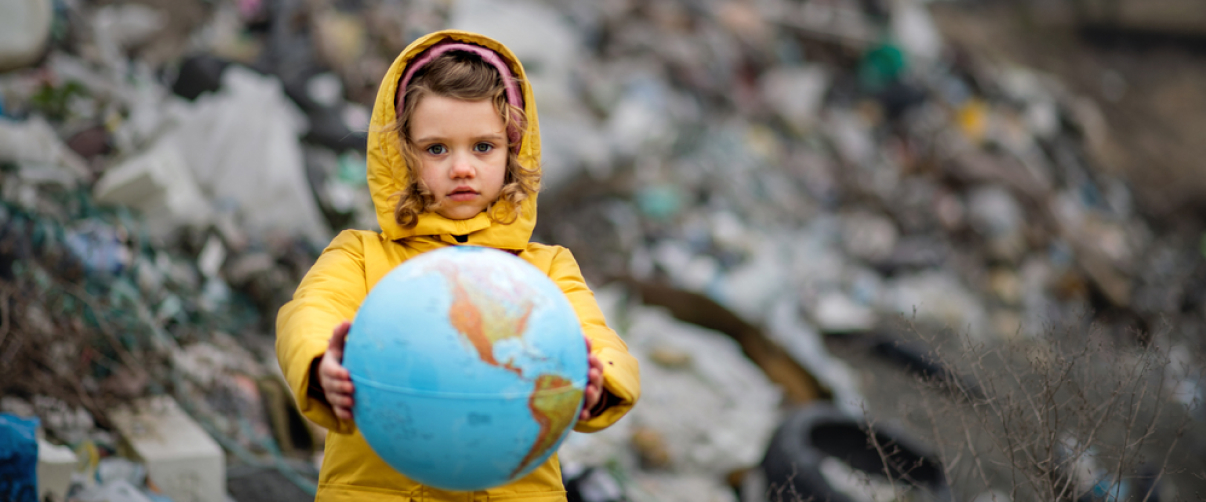
Image: @shutterstock 1704409918
The Scope of the Problem
Every year, an estimated 8 million tonnes of plastic waste enter our oceans, carried by rivers and ocean currents, dispersing globally and accumulating even in the most remote areas. Plastics, which can take centuries to decompose, break down into microplastics that have been detected everywhere from Mount Everest to the Mariana Trench. This pervasive pollution affects wildlife, entangling and starving marine animals, and poses potential health risks to humans.
Countries Leading the Way in Plastic Waste Management
Many nations around the world are implementing innovative solutions to combat plastic pollution.
Germany: A Recycling Pioneer
Germany leads the world by recycling 70% of its waste. Through the Green Dot policy, the country encourages manufacturers to minimize packaging, and all recyclable packaging is clearly marked. This system has significantly reduced waste and increased recycling rates.
South Korea: Drastic Improvements in Food Waste Recycling
South Korea has increased its food recycling rate from 2% to 95% by implementing a food waste fee system. Now, nearly all waste, including steel and fabric, is recyclable, demonstrating a strong commitment to reducing plastic pollution.
Wales: Ambitious Recycling Targets
Wales recycles 65% of its waste and aims to reach 70% by 2025. The combined efforts of councils and citizens have made it one of the top recyclers globally, processing paper, glass, metal, and plastics efficiently.
Singapore: Efficient Waste Management
Singapore has minimized landfill usage by holding companies responsible for the waste they produce. Waste is sorted into recycling streams or incinerated, exemplifying an effective approach to reducing plastic waste.
International Efforts to Address the Crisis
Recognizing that plastic pollution is a global issue, countries are coming together to develop comprehensive strategies.
The UN’s Global Plastics Treaty
In March 2022, 175 countries agreed to adopt a global treaty for plastic pollution, aiming for implementation by 2025. This treaty seeks to create legally binding commitments to reduce plastic production and manage plastic waste effectively.
The High Ambition Coalition
Initiated by Norway and Rwanda, the High Ambition Coalition brings together countries advocating for rules to manage the lifecycle of plastics. They aim to prohibit problematic plastic products and reduce plastic production, promoting a harmonized global approach.
Corporate and Community Initiatives
Beyond government actions, corporations and communities are also playing vital roles.
Plastic Bank: Empowering Communities
Organizations like Plastic Bank empower communities to collect and recycle plastic waste. By incentivizing reduction of plastic pollution, they also support poverty alleviation, creating a positive social and environmental impact.
rePurpose Global: Leveraging Business Resources
rePurpose Global partners with over 500 brands to fund the circular economy, offering plastic recovery, material accounting, and reduction software. Their projects have removed over 70 million pounds of plastic from the environment, positively impacting over one million people globally.
The Importance of Individual Action
While systemic change is crucial, individual actions collectively make a significant difference. Conscious consumerism, where people opt for reusable items and reduce waste, is gaining momentum, particularly among younger generations. Simple practices like carrying reusable bags, bottles, and utensils can substantially reduce plastic consumption.
The Road Ahead
Addressing the global plastic crisis requires a multifaceted approach:
- Reducing Plastic Production: Shifting away from single-use plastics and investing in alternative materials.
- Improving Waste Management: Enhancing recycling infrastructure, particularly in countries where waste mismanagement is prevalent.
- International Collaboration: Implementing and enforcing global treaties to ensure all nations contribute to the solution.
- Corporate Responsibility: Encouraging businesses to adopt sustainable practices and products.
Collective efforts across nations, industries, and communities are essential to stem the tide of plastic pollution. By working together, we can develop sustainable solutions that protect our environment for future generations.
This article is part of our ongoing coverage of environmental sustainability. Join us in exploring solutions to global challenges and take action today to make a difference.