Microplastics have become an insidious presence in our environment, infiltrating everything from the deepest ocean trenches to the highest mountain peaks. These tiny particles, often invisible to the naked eye, are not just polluting the natural world but are also making their way into our bodies, with potentially devastating consequences.
Subscribe
Plastic Waste
The Invisible Threat: How Microplastics Are Polluting Our Bodies and Ecosystems

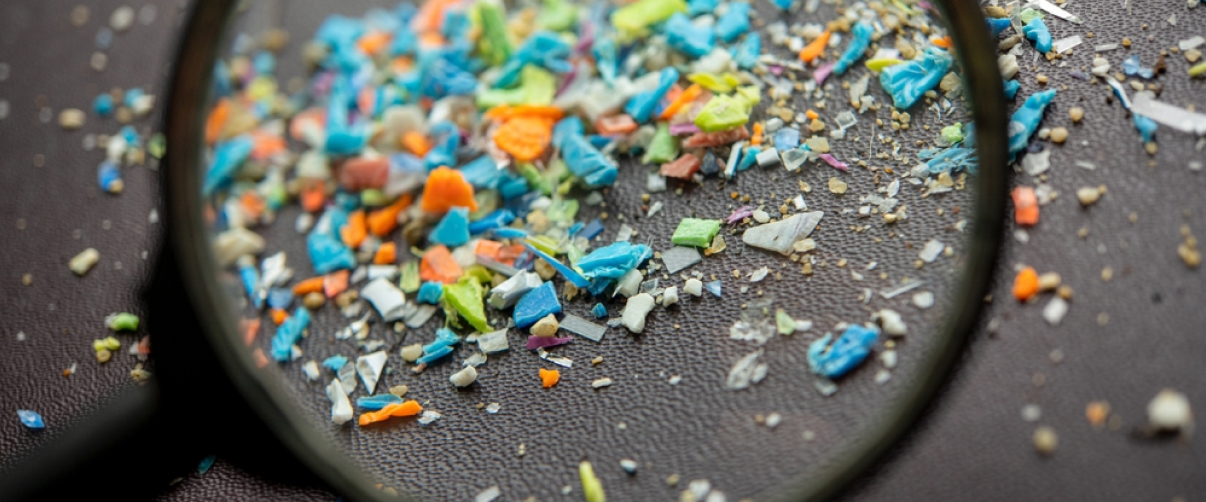
Image: @shutterstock 2179332847
What Are Microplastics?
Microplastics are small plastic pieces less than five millimeters in length. They originate from the breakdown of larger plastic debris and from microbeads found in personal care products. Over time, exposure to sunlight, wind, and water fragments these plastics into microscopic particles.
The Ubiquitous Presence of Microplastics
It’s alarming to discover that microplastics have permeated almost every corner of our planet. Studies have found these particles in the remotest parts of the world, from the peaks of Mount Everest to the depths of the Mariana Trench. They are present in our oceans, rivers, soil, and even in the air we breathe.
Researchers estimate that the oceans contain 51 trillion microplastic particles, a number that’s increasing every year. These particles have been detected in over 700 marine species, many of which are consumed by humans.
Impact on Marine Ecosystems
Marine life is particularly vulnerable to microplastic pollution. Small organisms, such as plankton, mistake microplastics for food. This mistake leads to physical blockages in their digestive systems, malnutrition, and often death. As these small creatures are consumed by larger predators, microplastics work their way up the food chain.
For instance, corals, which are essential to marine biodiversity, ingest microplastics thinking they are zooplankton. This ingestion can lead to coral bleaching and diminished growth. Scientists have observed that this interference not only affects individual organisms but also disrupts entire marine ecosystems.
Microplastics in Our Food Chain
As microplastics accumulate in marine organisms, they eventually make their way into our diets. Seafood lovers might be ingesting these particles unknowingly. But it’s not just seafood; microplastics have been found in salt, honey, beer, and even drinking water.
Studies have shown that humans could be consuming an amount of microplastics equivalent to a credit card each week. This startling revelation raises concerns about the long-term health implications for humans.
Health Risks Associated with Microplastics
The health impacts of microplastics on humans are still being studied, but early research suggests potential risks. Microplastics can carry toxic chemicals and pollutants, including heavy metals and endocrine disruptors. When ingested or inhaled, they can lead to inflammation, disrupt hormonal functions, and may even contribute to the development of cancer.
A notable study found microplastics in human lung tissue and blood, indicating that these particles can be absorbed into our organs. Experts warn that the presence of microplastics in the body could lead to a range of health issues, from respiratory problems to cardiovascular diseases.
Sources of Microplastic Pollution
Synthetic Clothing
One of the significant contributors to microplastic pollution is synthetic clothing. Materials like polyester, nylon, and acrylic shed microfibres during washing and even when worn. These fibres are so minute that they pass through wastewater treatment plants and end up in our waterways. People always look out for sustainable fashion choices to minimize this impact.
Personal Care Products
Microbeads, small plastic particles found in some exfoliating products and toothpastes, are another source. While many countries have banned microbeads, they still contribute to the overall microplastic pollution due to existing products and improper disposal.
Single-Use Plastics
Everyday items like plastic bags, bottles, and packaging contribute to microplastics as they degrade. Discarded improperly, they break down into smaller particles over time, contaminating soil and waterways.
The Global Reach of Microplastics
From bustling cities to untouched wilderness, microplastics are present everywhere. Studies have found them in the air of urban centers like London and Paris, as well as in remote regions like the Pyrenees and U.S. national parks. This widespread distribution is due to their ability to be carried long distances by wind and water currents.
Scientists have even detected microplastics in rain and snow, indicating that they are cycling through the atmosphere. This global dispersal makes microplastic pollution not just an environmental issue but a pervasive threat affecting all life on Earth.
Mitigating the Microplastic Menace
Personal Actions
Individuals can play a crucial role in reducing microplastic pollution:
- Choose Natural Fabrics: Opt for clothing made from natural materials like cotton, linen, and wool.
- Reduce Single-Use Plastics: Use reusable bags, bottles, and containers. Brands like Cheeki offer sustainable alternatives.
- Proper Waste Disposal: Recycle plastics appropriately and avoid littering.
- Support Bans on Microbeads: Advocate for policies that ban microplastics in personal care products.
Innovative Solutions
Companies are developing biodegradable alternatives to conventional plastics. For example, Sulapac creates materials that biodegrade without leaving harmful residues, aiming to replace traditional plastics in various applications.
Policy and Regulation
Governments worldwide are beginning to address the issue:
- Banning Microbeads: Several countries have prohibited the use of microbeads in cosmetics.
- Reducing Plastic Production: Policies are being implemented to limit single-use plastics and encourage recycling.
- International Agreements: Global cooperation is needed to tackle this issue effectively.
The Road Ahead
The fight against microplastic pollution is a challenging one, but it is crucial for the health of our planet and ourselves. Raising awareness, adopting sustainable practices, and supporting innovative solutions are steps in the right direction.
Organizations like the Marine Biodiversity Science Center are working tirelessly to study and combat the effects of microplastics on marine life.
Meanwhile, educational programs and community initiatives encourage individuals to participate in cleanup efforts and make informed choices.
Conclusion
Microplastics represent an invisible yet monumental threat to our ecosystems and health. As research continues to unveil the extent of their impact, it becomes increasingly clear that collective action is essential. By understanding the sources and consequences of microplastic pollution, we can take meaningful steps toward a cleaner, healthier world.
Take Action Today
- Reduce Plastic Use: Opt for products with minimal plastic packaging.
- Support Sustainable Brands: Purchase from companies committed to reducing plastic waste.
- Stay Informed: Follow organizations dedicated to environmental protection to learn more about how you can help.
By making conscious choices and supporting policies that protect the environment, we can collectively diminish the invisible threat of microplastics.