The topic of student loan cancellation has become a heated debate in recent years, capturing the attention of policymakers, economists, and millions of borrowers across the United States. With escalating college costs and a staggering national student loan debt exceeding $1.75 trillion, many are questioning whether canceling student loans is the solution to a looming financial crisis.
Subscribe
Student Loans
The Rising Debate: Should Student Loans Be Canceled?

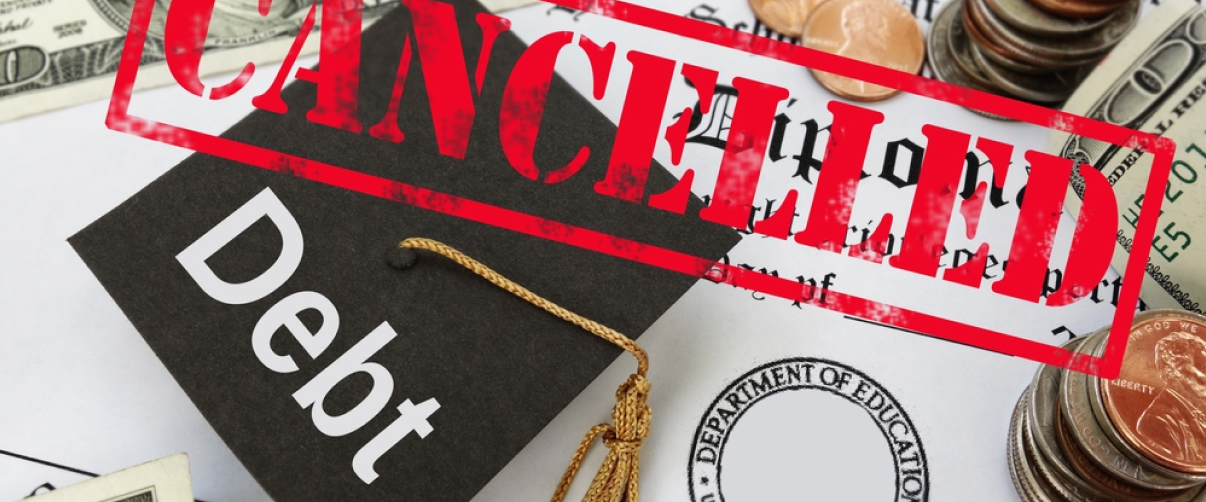
Image: @shutterstock 2200890957
One of the primary arguments in favor of loan forgiveness is its potential to boost the national economy. Proponents suggest that relieving borrowers of debt could stimulate economic growth by increasing consumer spending on homes, cars, and other significant purchases. Economists estimate that the U.S. gross domestic product (GDP) could gain substantially from forgiven loans. This perspective highlights the burden that student debt places on individual financial stability and the broader economy.
However, critics argue that canceling student loans might have unintended economic consequences. They express concerns that such a move could lead to higher federal borrowing and future taxation. Additionally, there’s apprehension that forgiving loans could contribute to inflation by increasing disposable income in an already strained economy.
Fairness is another critical aspect of the debate. Supporters of loan cancellation believe it can rectify racial inequalities, especially as Black and Brown students disproportionately carry higher debt burdens due to systemic socio-economic disadvantages. They argue that canceling student debt is a step toward societal equity, allowing more individuals to achieve personal milestones like homeownership and retirement savings.
On the other hand, opponents see widespread loan forgiveness as an abuse of the loan system. They contend that it primarily benefits higher-income individuals who have the means to repay their debts. There’s also a concern that forgiving loans could encourage academic institutions to raise tuition, expecting future government bailouts, and thus not addressing the root issue of soaring educational costs.
Legal challenges further complicate the situation. President Biden’s plan to forgive up to $20,000 in federal student loan debt for eligible borrowers sparked significant debate and faced substantial legal hurdles. Critics argue that such executive actions might exceed presidential powers and set a problematic precedent. A federal judge blocked the plan, and the matter escalated to the Supreme Court, highlighting the contentious legal landscape surrounding this issue.
Moreover, there’s a fear that loan forgiveness could create a “moral hazard,” encouraging students to borrow more with the expectation of future debt cancellations. This scenario could lead to higher tuition costs and disproportionately benefit wealthier individuals pursuing advanced degrees.
Alternatives to loan cancellation have been proposed. Some suggest making student loans dischargeable in bankruptcy, a benefit currently denied to student debtors but available for other types of debt. Others advocate for targeted relief aimed at low-income borrowers or policy reforms to control college costs.
In conclusion, the debate over canceling student loans is multifaceted, involving economic implications, legal challenges, and ethical considerations. While the idea of wiping out student debt is appealing to many, especially those struggling under its weight, it’s essential to consider the potential long-term effects on the economy, educational institutions, and societal values regarding financial responsibility.
As this debate continues, it remains clear that addressing the student loan crisis requires a comprehensive approach, balancing immediate relief for borrowers with sustainable solutions to rising college costs and equitable access to higher education.