Once scarred by dirt bikes and nearly turned into luxury homes, a scenic property on California’s San Mateo Coast may soon join the national park system. The shift toward conservation reflects renewed efforts to protect wildlife habitats, public hiking trails, and the coastline’s fragile beauty.
Subscribe
Environmental Laws
Wildlife Protection
This scenic portion of California’s San Mateo Coast could be added to the national park system

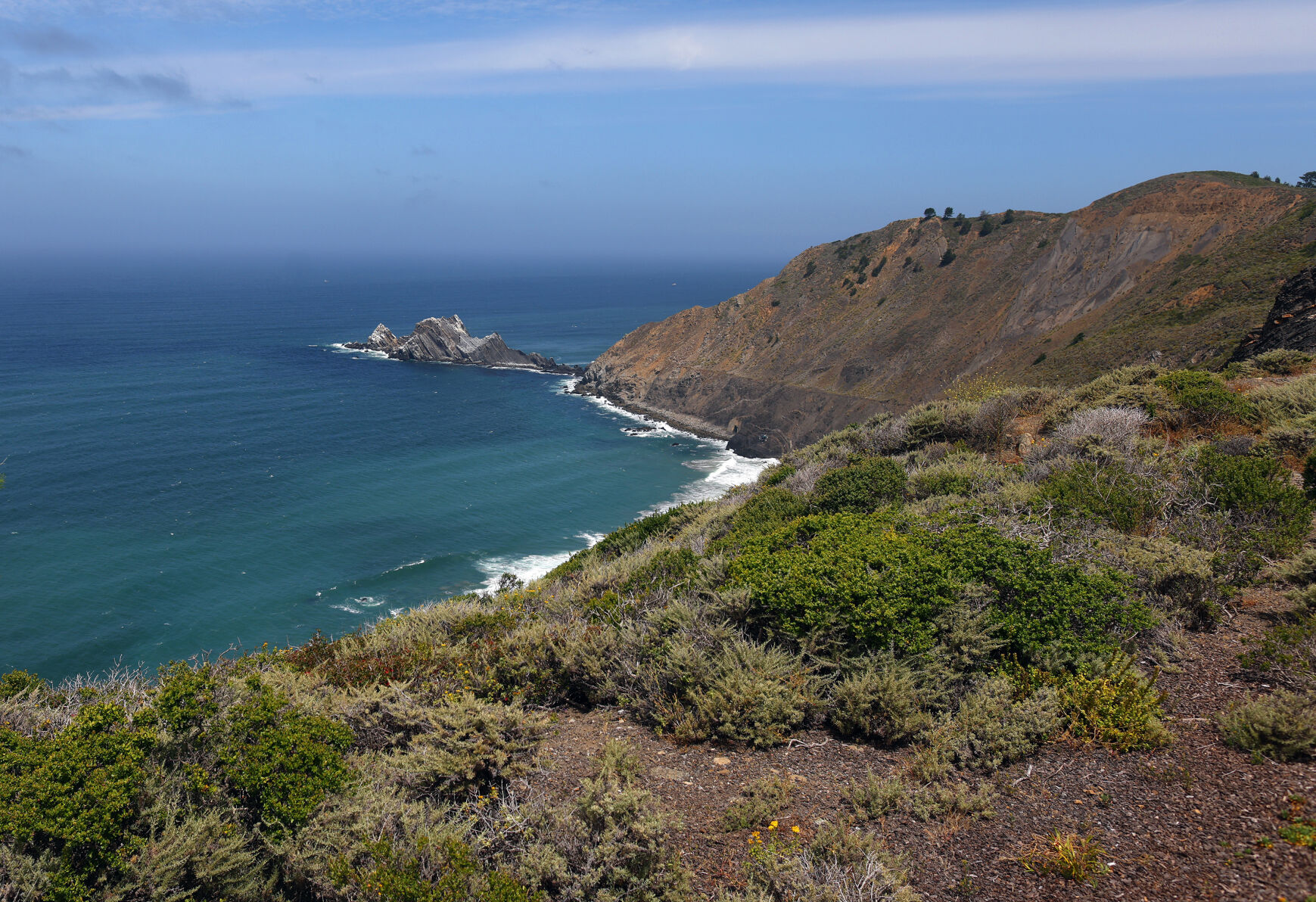
Photo by Hanford Sentinel
Key Takeaways:
- A portion of California’s San Mateo Coast is being considered for national park status.
- Dirt bike use in the 1970s and 80s contributed to erosion and noise.
- A 1990s proposal for 217 luxury homes underscores past development pressures.
- The land is now home to bobcats, foxes, and public hiking trails.
- Potential national park inclusion could ensure enduring environmental protection.
The Prospective National Park
In California’s scenic San Mateo Coast, a portion of oceanfront land is being considered for inclusion in the U.S. national park system. Once threatened by off-road vehicles and large-scale development, this area’s natural beauty—featuring rugged shorelines and vibrant wildlife—is now a focal point for conservationists and outdoor enthusiasts.
A Landscape Shaped by Dirt Bike Use
In the 1970s and 80s, dirt bikes frequented the fragile terrain, leading to erosion and noise pollution. This period marked a challenging time for environmental advocates who sought to protect the delicate coastal ecosystem from further damage.
Facing Development Pressures
By the early 1990s, plans were drawn up to construct 217 luxury homes on the same property. Developers saw the coastline’s sweeping ocean views as a lucrative opportunity. The proposal became a flashpoint for conservation debates, raising public awareness of the coast’s ecological importance, and sowing the seeds for future efforts to preserve the land.
Wildlife and Public Access
Today, bobcats and foxes are known to roam the area, offering a glimpse of California’s coastal wildlife. Walking trails draw local residents and visitors onto the bluffs, highlighting the land’s recreational benefits and inspiring broader appreciation of the environment.
The Path to Federal Protection
Its inclusion in the national park system remains under consideration, an outcome that would ensure ongoing stewardship and protection. For locals and conservation groups alike, the potential transition represents an opportunity to safeguard vital habitats and scenic hiking areas for generations to come.