Election officials across the country are on notice after the Department of Justice warned of possible criminal liability for allowing noncitizens to vote. Illinois authorities, saying they are “reviewing” the threat, have signaled that they are taking this federal message seriously.
Subscribe
Breaking News
Policy Analysis
Illinois ‘reviewing’ DOJ’s threat to prosecute state election officials over noncitizen voting

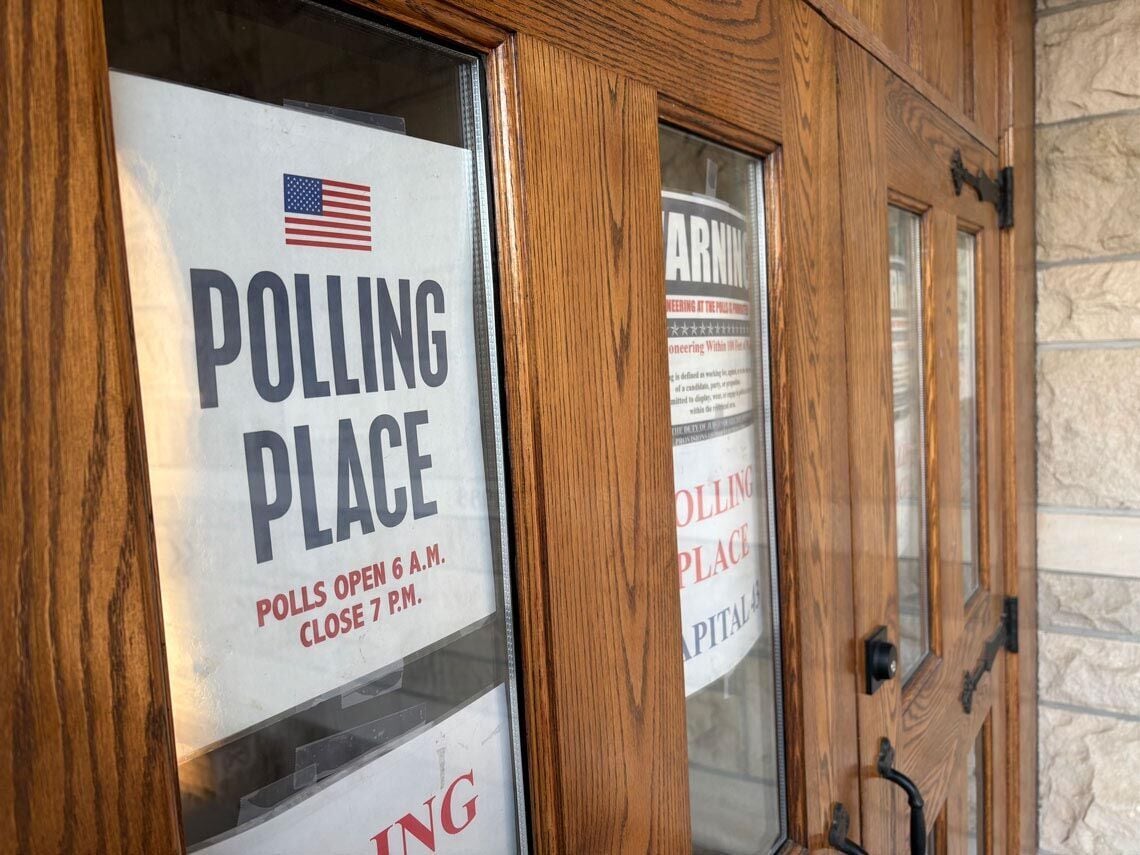
Photo by Pantagraph
Key Takeaways:
- The U.S. Department of Justice sent letters to election officials in all 50 states and Washington, D.C.
- Officials risk possible criminal liability if noncitizens are permitted to vote.
- Illinois is “reviewing” the DOJ’s threat, but no final decision has been publicized.
- The DOJ’s action highlights a focus on strict voter eligibility enforcement.
- The announcement comes amid nationwide concerns over election integrity.
The DOJ’s Nationwide Warning
The U.S. Department of Justice recently notified top election officials across 50 states and Washington, D.C., cautioning that failure to enforce voter eligibility laws could expose them to criminal liability. Though details about the exact nature of the charges remain limited, the scope of this warning is unprecedented for officials tasked with administering elections.
Illinois’ Response
Illinois officials have confirmed receipt of the letter and stated they are “reviewing” its contents. While they have provided no detailed plan or official response, their acknowledgment suggests that the state is taking the DOJ’s communication seriously.
Why It Matters
At the heart of this issue is the question of who may legally cast a ballot. The Department of Justice clarified that any appearance of noncitizen voting could lead to criminal investigations, placing election administrators under increased scrutiny. This underscores a heightened focus on voter eligibility nationwide.
Nationwide Implications
Although the spotlight seems especially bright in Illinois, officials across every state and in the District of Columbia have received the same directive. The letters place emphasis on preventing possible incidents where ineligible individuals might vote, underscoring the DOJ’s broad commitment to tackling perceived electoral impropriety.
Looking Ahead
No immediate federal actions have been taken since the letters were circulated. Nevertheless, officials nationwide are expected to review their procedures and confirm they abide by voter eligibility rules. As Illinois weighs its response, many observers anticipate that states will communicate with the DOJ to clarify any outstanding questions about legal compliance and possible criminal penalties.