A simple oversight in the kitchen could lead to dangerous consequences, underscoring the vital role of meat thermometers for every home cook. Properly gauging internal temperature isn’t just a recommendation; it’s the key step in preventing serious foodborne illness.
Subscribe
Infectious Diseases
Safe Practices
This Simple Meat Cooking Mistake Could Lead To Serious Illness—What To Know

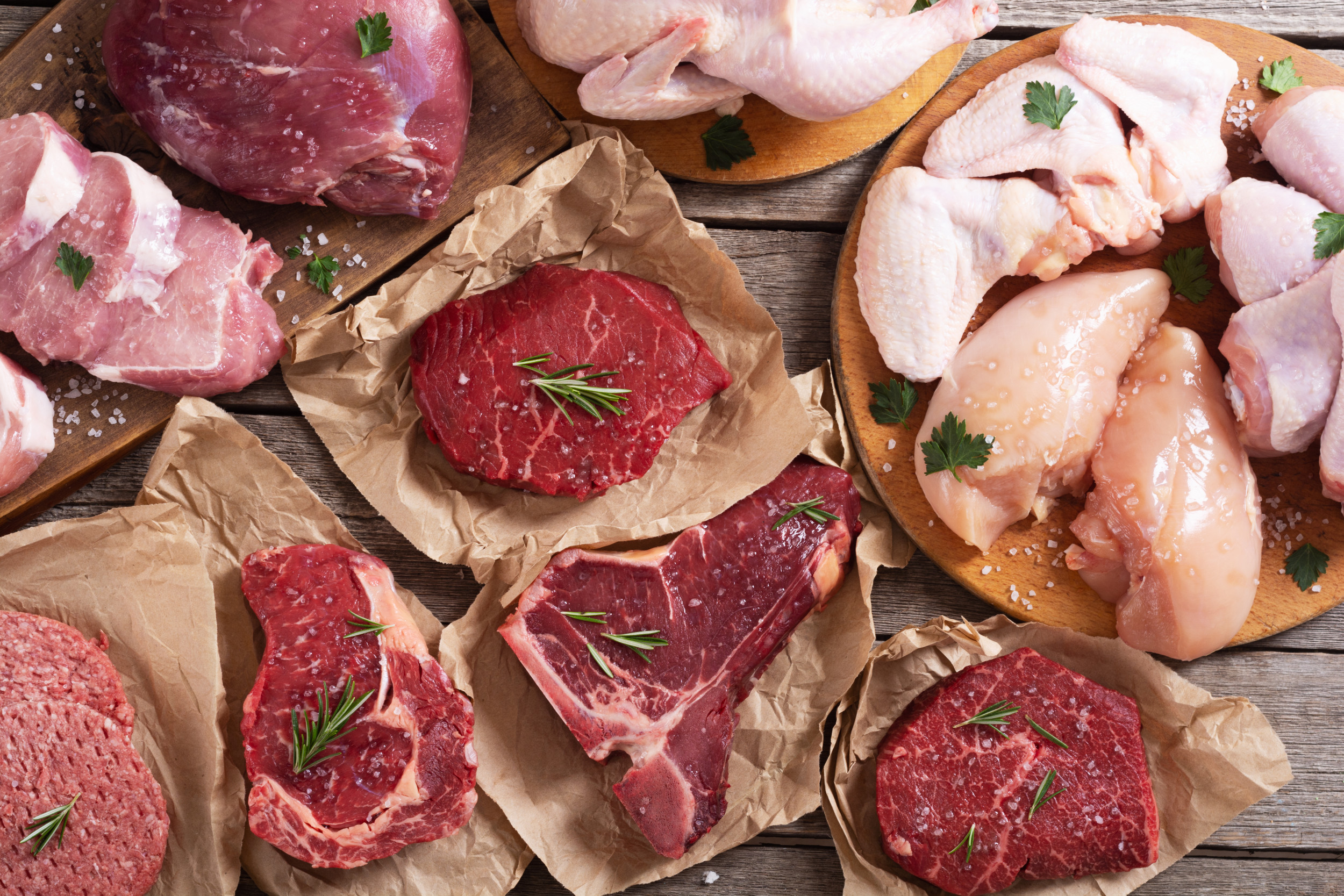
Photo by Newsweek
Key Takeaways:
- Meat thermometers are crucial to avoiding foodborne illness.
- Misjudging cooking temperatures can lead to serious health consequences.
- USDA guidelines help ensure safe cooking.
- Chicken, beef, and pork are vulnerable to undercooking.
- Proper cooking is integral to a healthy diet.
Misjudging Cooking Temperatures
One of the most common and potentially hazardous mistakes in the kitchen is assuming meat is fully cooked without checking its internal temperature. As the original report warns, “Meat thermometers aren’t optional—misjudging temperature could lead to serious consequences.” This simple miscalculation can allow harmful bacteria to survive in dishes prepared at home.
The USDA’s Role in Food Safety
The United States Department of Agriculture (USDA) plays a significant part in keeping consumers safe, offering guidelines that outline the correct internal temperatures for various meats. By following these practices, cooks can dramatically reduce the threat of foodborne illnesses and ensure every meal is prepared with safety in mind.
Common Pitfalls
From chicken to beef and pork, there is a wide range of dishes that may be unsafe if cooked solely based on visual cues or guesswork. Often, meat can look “done” on the outside but remain undercooked within. Proper use of a reliable thermometer helps prevent serious mistakes and reinforces healthy kitchen habits.
Health Implications
Without careful temperature checks, food poisoning becomes a real threat. Words like “foodborne illness” and “serious consequences” underscore that when it comes to the well-being of you and your family, guesswork simply is not advisable. Even a small error can carry significant health risks, reminding everyone that thorough cooking is more than just a culinary preference—it’s a necessity.
By making a habit of checking internal temperatures and adhering to widely accepted safety guidelines, home cooks can confidently prepare tasty and safe meals. Such simple precautions guard against unnecessary risks and help ensure that delightful recipes remain a positive experience for everyone at the table.