As housing prices continue to climb, many individuals and families are searching for innovative solutions to achieve the dream of homeownership without falling into crippling debt. One trend gaining significant traction is the movement toward tiny homes and prefabricated (prefab) housing. These compact, efficient, and often sustainable living spaces are reshaping the housing landscape. But are tiny homes and prefab housing truly the future of affordable living?
Subscribe
Residential Real Estate
Tiny Homes & Prefab Housing: Are They the Future of Affordable Living?

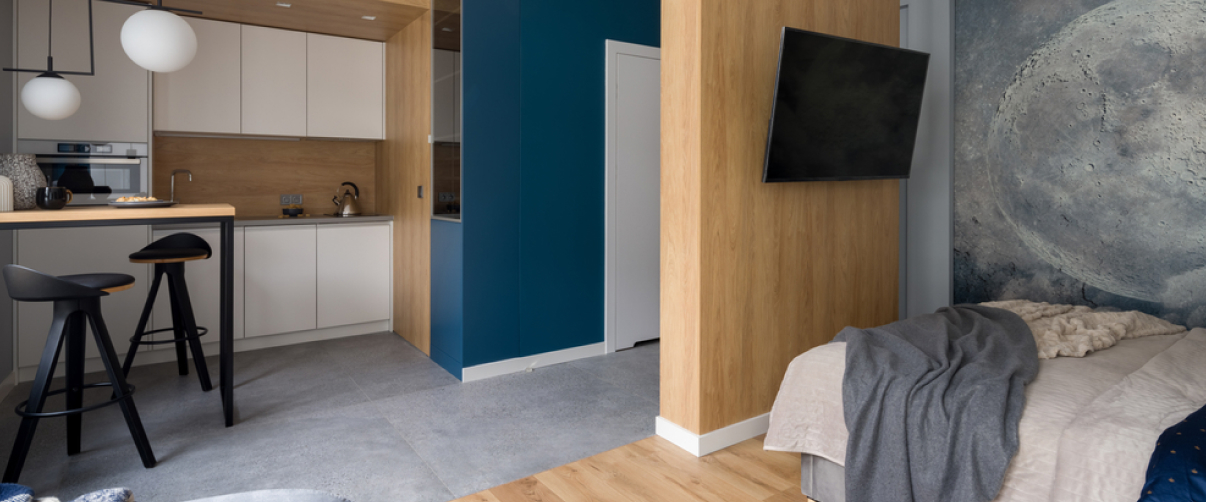
Image: @shutterstock 2007695072
The Rise of Tiny Homes
The global housing crisis, marked by soaring costs that make traditional homeownership increasingly unattainable, has propelled people to seek alternative solutions. Tiny homes have emerged as a viable option, offering affordable and efficient living spaces for those aiming to achieve financial independence and embrace a minimalist lifestyle.
Affordability and Financial Freedom
One of the primary attractions of tiny homes is their affordability. While the average U.S. home price exceeds $300,000, tiny homes typically range between $30,000 and $60,000, depending on size and customization. Some prefabricated and DIY models are available for as low as $10,000. This significant cost reduction allows individuals to pursue homeownership without the burden of a hefty mortgage, potentially leading to a life free from debt.
Environmental Sustainability
Beyond financial benefits, tiny homes contribute to environmental sustainability. These compact dwellings require fewer materials to build and consume less energy for heating and cooling. Many incorporate eco-friendly and recycled materials, as well as renewable energy systems like solar panels and rainwater collection. Living in a tiny home encourages a reduced carbon footprint and promotes a more sustainable lifestyle.
Embracing Minimalism
Tiny living naturally encourages minimalism, prompting owners to limit possessions and focus on experiences and relationships. This shift often results in a sense of freedom and reduced stress, as individuals prioritize what truly matters in their lives.
The Innovation of Prefabricated Housing
Prefab housing takes the concept of tiny homes a step further by constructing sections of the home in a controlled factory setting before assembling them on-site. This approach offers several advantages:
Efficiency and Quality Control
Building homes in a factory environment allows for greater efficiency and consistent quality. It reduces labor costs and material waste, which can significantly lower the overall cost of the home. Companies like Fading West in Colorado have embraced this method, developing a large-scale modular housing factory that can produce a two-bedroom home in just nine days.
Addressing Housing Shortages
In towns like Buena Vista, Colorado, where housing shortages are acute due to popularity and limited space, prefab housing provides a practical solution. Fading West is working on a 225-unit development in the town, contributing substantially to the local housing stock. These homes are designed to be indistinguishable from traditional homes in quality and appearance and are tailored to withstand specific climate challenges.
Customization and Personalization
Prefab homes offer a range of customization options, allowing owners to tailor their living space to their personal styles and needs without incurring the high costs associated with traditional homes. This flexibility makes them an attractive option for a wide array of individuals, from young professionals to retirees.
Overcoming Challenges
While tiny homes and prefab housing present promising solutions, they are not without challenges.
Zoning Laws and Building Regulations
Navigating complex zoning laws and building regulations can be a significant hurdle. Many areas have minimum square footage requirements, which can complicate the legal placement of tiny homes, especially mobile ones. Advocacy and community engagement are vital to expand legal acceptance and pave the way for broader adoption.
Financing and Resale Value
Securing financing for tiny homes can be challenging, as traditional lenders may be hesitant to provide mortgages for non-traditional housing. Additionally, the resale market for tiny homes is still developing, which can impact investment considerations.
Community Acceptance
There can be resistance from communities unaccustomed to non-traditional housing styles. Education and positive examples of successful tiny home communities can help alleviate concerns and demonstrate the benefits these homes can bring to a community.
Tiny Homes in Action: Case Studies
Sto Corp’s Sustainable Solutions
Companies like Sto Corp are focusing on revitalizing existing buildings to create affordable housing. By improving energy efficiency and modernizing structures, they offer an alternative avenue to address housing affordability while also emphasizing sustainability.
Fading West’s Modular Approach
Fading West’s innovative modular homes in Buena Vista not only address the local housing shortage but also serve as a model for other communities facing similar challenges. Their approach showcases how prefab housing can be both efficient and aesthetically pleasing.
Joining the Tiny Home Movement
If you’re inspired by the potential of tiny homes and prefab housing, there are numerous resources and companies that can help you take the next step.
Where to Find Tiny Homes
- Tiny Homes Lake Norman: Offering a variety of customizable tiny homes built with quality and affordability in mind. Explore their models.
- Conch Containers: Specializing in eco-friendly prefab tiny homes, perfect for those looking to reduce their carbon footprint. Discover their designs.
- Fading West: Focused on modular homes designed for specific climates and community needs. Learn more about their projects.
Tips for Prospective Tiny Home Owners
- Research Local Regulations: Before purchasing, ensure you understand the zoning laws and building codes in your desired area.
- Plan Your Space Efficiently: Make the most of your tiny home with creative storage solutions and multi-purpose furniture.
- Consider Sustainability Features: Incorporate renewable energy systems and eco-friendly materials to enhance the environmental benefits.
Conclusion
Tiny homes and prefab housing represent a significant shift in how we think about living spaces. By offering affordable, sustainable, and flexible housing solutions, they address critical issues in today’s housing market. While challenges remain, the growing popularity and acceptance of tiny homes suggest they may indeed be the future of affordable living.
As more individuals embrace this lifestyle, and as communities and regulations adapt, tiny homes and prefab housing have the potential to make a lasting impact on housing affordability and environmental sustainability.











