In a move expected to face legal challenges, President Donald Trump signed an executive order requiring independent regulatory agencies such as the SEC, FTC, and FCC to submit proposed regulations to the White House for review. The order seeks to increase accountability and align agency spending with presidential priorities.
Subscribe
Analysis and Opinions
Policy Analysis
Trump signs order to expand White House control of independent agencies

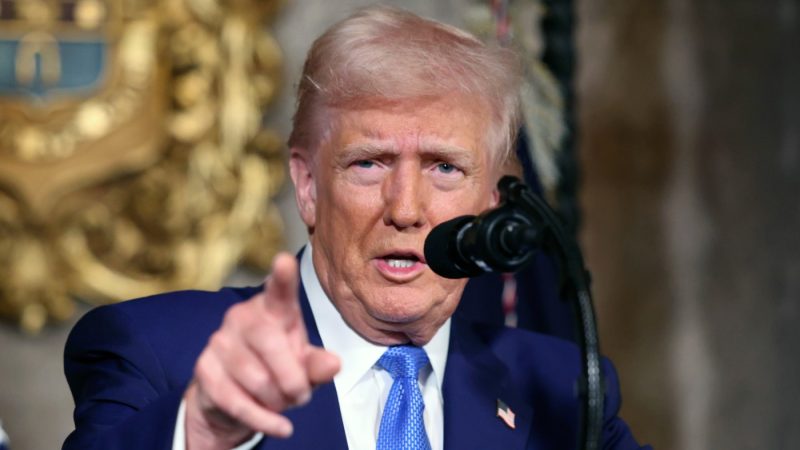
Photo by Kron4
Key Takeaways:
- President Trump signed the “Ensuring Accountability for All Agencies” executive order.
- Independent agencies must submit proposed regulations to the White House for review.
- The Office of Management and Budget will review agency spending for alignment with presidential priorities.
- Legal challenges are anticipated due to the agencies’ congressionally mandated independence.
- The move continues Trump’s efforts to consolidate executive power within the executive branch.
Trump’s Executive Order Challenges Independence of Regulatory Agencies
President Donald Trump on Tuesday signed an executive order aiming to expand the White House’s authority over various independent regulatory agencies. The order, titled “Ensuring Accountability for All Agencies,” requires bodies such as the Securities and Exchange Commission (SEC), the Federal Trade Commission (FTC), and the Federal Communications Commission (FCC) to submit proposed regulations to the White House for review.
Mandating White House Review
Under the new directive, these independent agencies must ensure their regulatory actions align with the administration’s policies. “These regulatory agencies currently exercise substantial executive authority without sufficient accountability to the President, and through him, to the American people,” the order states. By mandating oversight, the administration seeks to increase accountability and ensure consistency across federal regulations.
Oversight of Agency Spending
The executive order also calls on the head of the Office of Management and Budget (OMB), currently Russ Vought, to review the agencies’ spending. This measure aims to ensure that financial resources are allocated in a manner that aligns with the president’s priorities. The OMB’s involvement signifies a deeper level of scrutiny over independent agencies’ budgets and expenditures.
Anticipated Legal Battles
The move is expected to trigger legal challenges. Congress established the affected agencies to operate with a degree of independence from the executive branch to prevent undue political influence. By asserting greater control, the executive order challenges this long-standing principle. Legal experts anticipate that opponents will argue the order oversteps presidential authority and undermines the separation of powers.
Pattern of Consolidating Power
This action is part of a series of controversial moves by President Trump to consolidate power within the executive branch. In his first few weeks in office, he has fired several inspectors general who provided oversight at various government agencies and has ousted agency heads appointed by the previous administration. These steps indicate an ongoing effort to reshape federal oversight and reduce what the administration views as bureaucratic obstacles.
Supreme Court Petition
Furthermore, the Trump Justice Department recently asked the Supreme Court to permit the president’s firing of the head of a federal whistleblower protection office. This lawsuit could set a precedent regarding the extent of executive power over independent agencies and officials, further influencing the balance of power within the federal government.
Implications for Regulatory Agencies
If upheld, the executive order could significantly alter how independent agencies function. Agencies like the SEC, FTC, and FCC, which traditionally operate without direct presidential intervention, may find their regulatory processes subject to political considerations. Supporters argue that this ensures elected officials maintain control over significant regulatory actions, while critics warn it could compromise the agencies’ ability to act in the public interest without partisan pressures.
Conclusion
As the executive order takes effect, both supporters and detractors prepare for a potential legal showdown. The outcome will not only determine the fate of this specific directive but may also have lasting implications for the independence of regulatory agencies and the scope of presidential power in the United States.