A new bipartisan measure aimed at addressing rising housing costs will soon become law, but without President Donald Trump’s signature. The President decided against formally approving the bill, yet chose not to veto it, ensuring it advances in time for this year’s midterm elections.
Subscribe
Analysis and Opinions
Breaking News
Policy Analysis
Trump will let bipartisan housing bill become law without signing | Here’s why

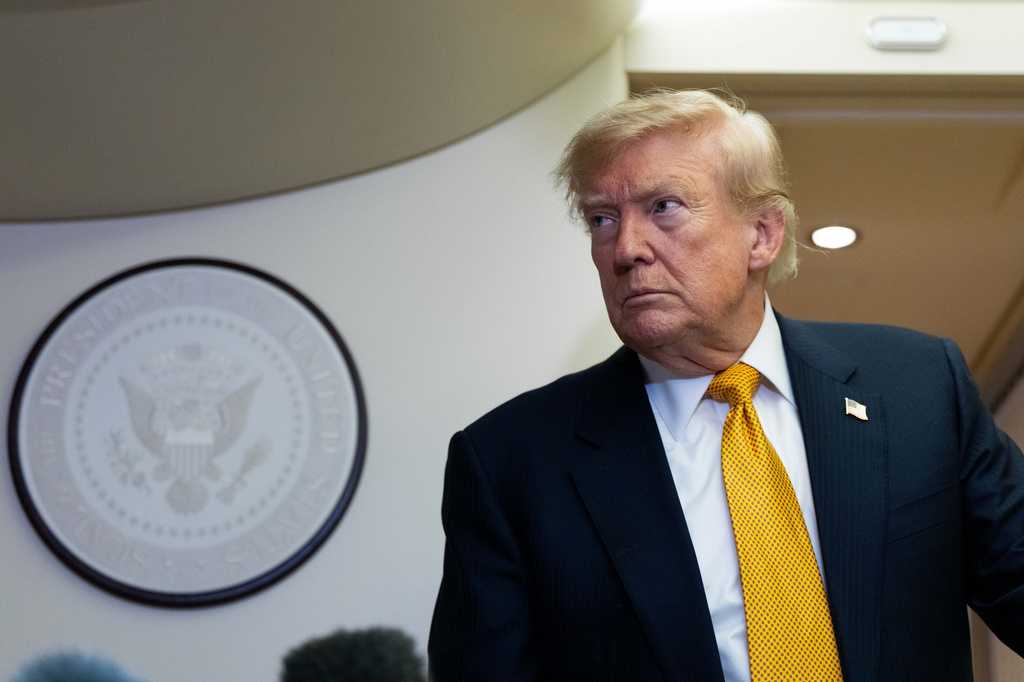
Photo by Wmur
Key Takeaways:
- President Trump will let the housing affordability bill become law without signing it.
- The legislation aims to address rising housing costs.
- Bipartisan cooperation drove the bill forward.
- The decision comes ahead of looming midterm elections.
- The bill’s passage was reported by WMUR and the Associated Press.
The Unusual Decision
President Donald Trump has opted not to sign a bipartisan housing affordability bill, effectively allowing it to become law without his official endorsement. According to a report by the Associated Press, published by WMUR on July 10, 2026, this decision is noteworthy for its exception to the typical legislative process, where a presidential signature—or a direct veto—is customary.
A Bipartisan Effort on Housing
The measure itself is described as a bipartisan housing bill, constructed through cooperation across party lines to address ever-rising housing costs. Its goal focuses on delivering solutions to help ease the burden of housing expenses for Americans, reflecting a shared priority among legislators from both parties.
Positioning Before Midterm Elections
The passage of this new law comes at a moment of heightened political attention, as it precedes the midterm elections. While the President’s choice to neither sign nor veto the legislation breaks with tradition, it ultimately paves the way for the bill to stand as law, which could influence the upcoming electoral dynamics.
Next Steps
With this housing measure set to take effect, lawmakers and experts alike will keep a close eye on its impact. The bipartisan push to address housing affordability highlights a rare instance of unity in the current political environment, suggesting a collective recognition of the urgency to confront escalating costs. The extent of the bill’s success may well shape discussions on how future housing policies—and bipartisan efforts—are crafted in the months leading up to and beyond the midterm elections.