Two men were taken into custody for allegedly producing AI-generated deepfake pornography, underscoring serious legal and ethical concerns tied to this emerging technology. Their arrests highlight that creating such explicit, fabricated imagery is not without real victims or consequences.
Subscribe
AI Ethics
Breaking News
Generative AI
Two Men Arrested for Creating AI Deepfake Porn

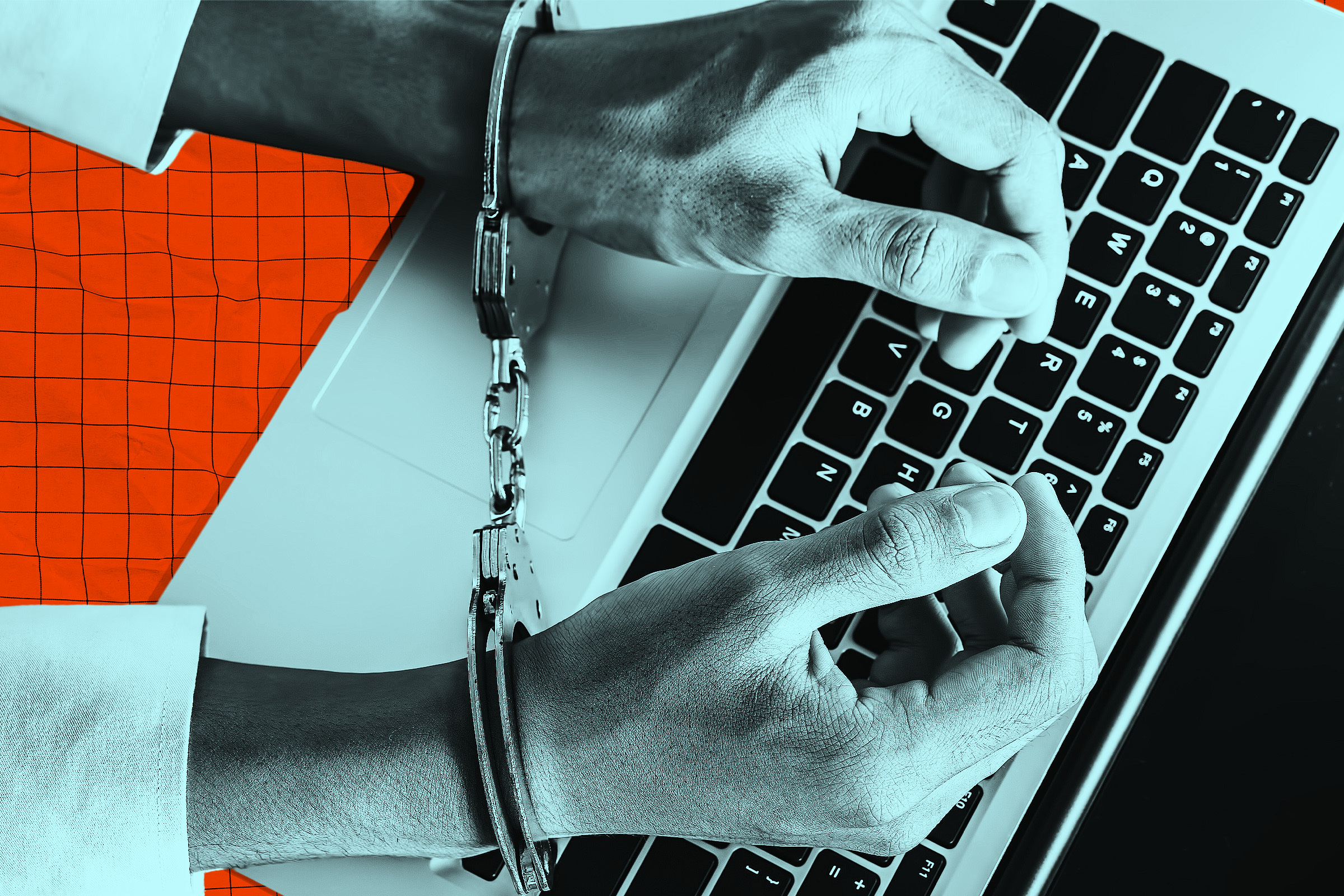
Photo by Futurism
Key Takeaways:
- Authorities arrested two individuals for creating AI-generated deepfake porn.
- The case underlines that deepfake pornography is not a victimless crime.
- Law enforcement is increasingly attentive to potential abuses of AI.
- The incident highlights the ethical implications of misusing new technologies.
- Futurism first reported this story in the science and technology categories.
Arrests and Allegations
Two men have been arrested for allegedly using artificial intelligence to create and distribute deepfake pornography. The charges mark a significant move by law enforcement, demonstrating a growing commitment to addressing the misuse of emerging technologies.
Legal Implications
The arrests serve as a stark reminder that deepfake pornography, often misconstrued as a harmless manipulation of images, can carry serious legal consequences. Prosecutors involved in the case have made it clear: deploying advanced AI tools for illicit activities, particularly explicit content without consent, will not be treated lightly by the courts.
Ethical Concerns
Beyond the legal consequences, ethical questions loom large. The creation of intimate images through AI raises concerns about consent and the capacity for such technology to inflict harm on unwitting victims. “This case makes clear that posting deepfake pornography is not a victimless crime,” reads a statement from the original report, underscoring the societal fallout of these realistic yet deceptive images.
Growing Role of AI
Deepfake technology has advanced rapidly in recent years, making it harder to distinguish real images from fabricated ones. While AI can be a force for innovation, this arrest underscores how it can also be co-opted by bad actors. Addressing these high-tech offenses requires collaboration among tech platforms, policymakers, and law enforcement agencies.
Broader Significance
The arrests send a powerful warning to would-be offenders: no matter how cutting-edge the technology, criminal actions will not escape legal scrutiny. As AI continues to evolve, authorities and communities alike may need to adapt swiftly, balancing the promise of innovation with the protection of individual rights.