Faced with tariff pressures and shifting domestic priorities, the U.S. auto industry may be heading for global isolation. Industry insiders worry that favoring local production could undercut international partnerships and dampen potential growth abroad.
Subscribe
Analysis and Opinions
Export-Import Trends
Industry News
Policy Analysis
U.S. auto industry risks global isolation as tariffs, policy shifts favor domestic markets

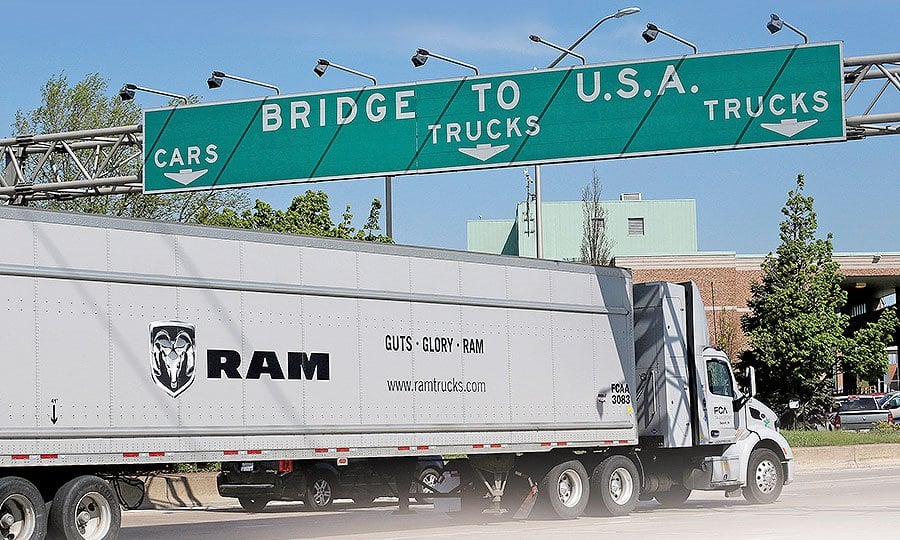
Photo by Automotive News
Key Takeaways:
- Tariffs may disrupt cross-border automotive partnerships.
- Policymakers appear intent on strengthening local markets.
- Domestic focus could lead to global isolation for U.S. automakers.
- Heightened concerns about international competitiveness
- Broad implications across technology and business sectors
Background
The U.S. auto industry is on the brink of a major shift, driven by tariffs and policies that encourage domestic manufacturing. According to a recent piece published in Automotive News, these measures could place the American automotive sector in a precarious position, signaling a retreat from the global stage.
Tariffs and New Policies
Tariffs have emerged as a powerful force shaping the industry’s strategic direction. By favoring cost structures that reward homegrown production, policymakers appear to be steering manufacturers away from international sourcing. Although this shift may bolster certain domestic operations, critics caution it could limit broader economic collaboration.
Industry Concerns
Within automotive circles, the phrase “global isolation” has gained traction. Analysts and insiders reportedly worry that restricting global trade ties and increasing reliance on local markets might reduce competitiveness over the long run. Still, supporters of the shift argue that prioritizing domestic jobs and investments can help stabilize the sector.
Implications for Global Trade
As the U.S. automotive sector becomes more inward-looking, the rest of the world could respond in kind. Without strong international partnerships, American manufacturers may find it more challenging to export vehicles, maintain collaborative ventures, or keep pace with overseas innovations. Ultimately, the industry’s status on the global stage may be shaped by how it navigates these trade barriers and policy priorities.