Rising gas prices have driven inflation above 4%, marking the highest rate in three years. The Federal Reserve faces mounting pressure, while the Trump administration confronts a potential political obstacle as midterm elections approach.
Subscribe
Breaking News
Policy Analysis
Voting Trends
US households, businesses stung by higher energy prices that have pushed inflation above 4%

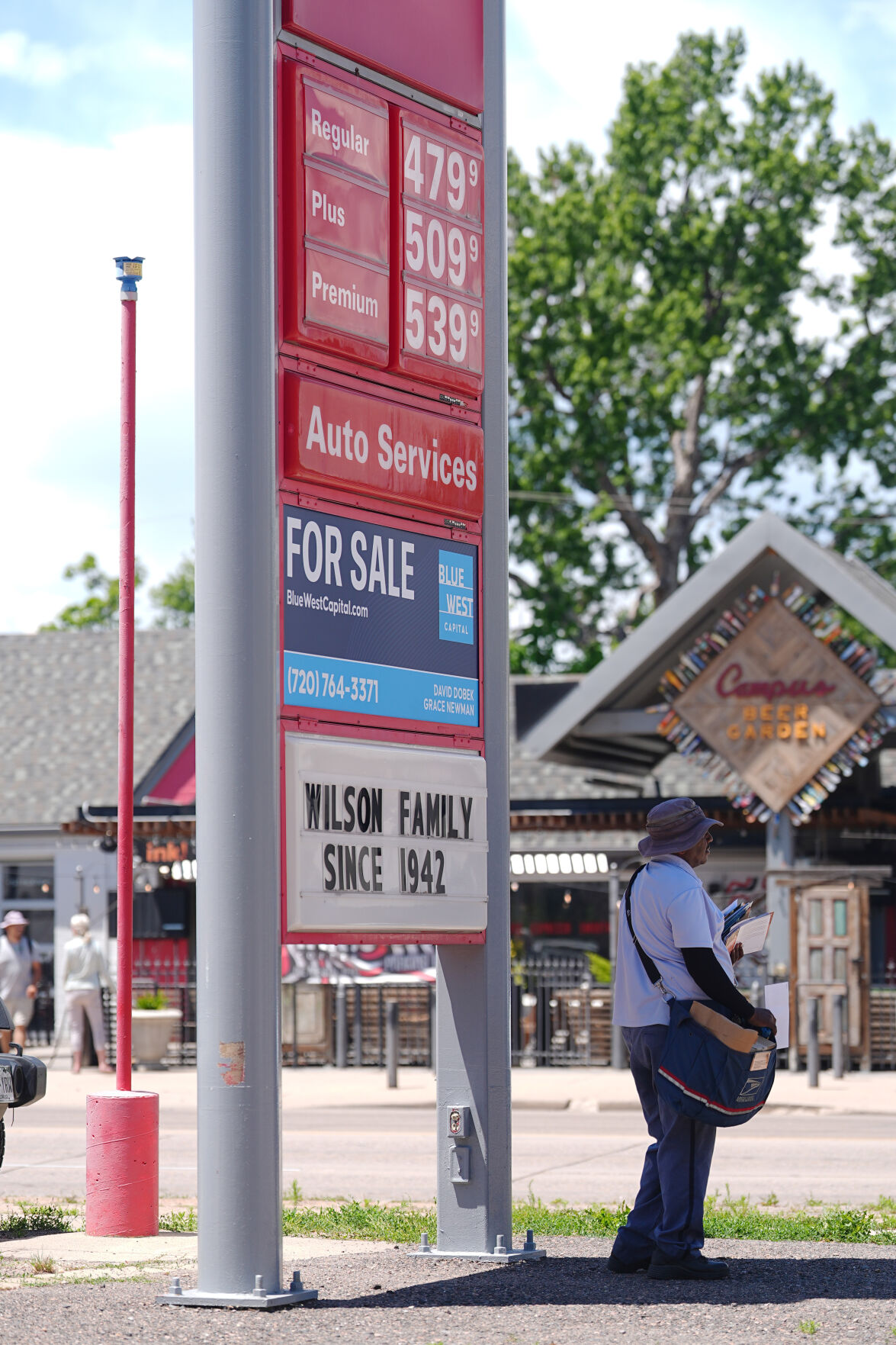
Photo by Prescott Daily Courier
Key Takeaways:
- Gasoline costs have pushed inflation to its highest level in three years
- Inflation rose above 4%, creating economic concerns
- Federal Reserve officials must navigate policy challenges amid rising prices
- The Trump administration faces voter scrutiny ahead of midterm elections
Inflation at a Three-Year High
Rising gas prices have lifted U.S. inflation beyond 4%, its steepest climb in three years. New data showed Wednesday that consumer prices advanced at a level that many households and businesses find difficult to manage. This escalation is placing a direct strain on family budgets, as essential goods and services often become more expensive when fuel prices spike.
Pressures on the Federal Reserve
Higher-than-expected inflation numbers have become a headache for the nation’s central bank. While policymakers typically welcome low, stable inflation, the Federal Reserve must decide whether to intervene with measures designed to cool off price increases. Concerns remain that overly aggressive steps could dampen overall economic growth, creating a delicate balancing act for officials.
Potential Political Challenges
The Trump administration faces increasing pressure as these figures coincide with looming midterm elections. Voters often cite rising everyday costs as a top concern, and higher inflation could become a significant campaign issue. With gas prices a visible and immediate daily expense, the political stakes surrounding economic policy have rarely been higher.
Impact on Households and Businesses
Beyond the national policy debate, households and companies alike are feeling the effects of surging energy costs. Consumers bear the brunt at the pump, while businesses grapple with higher transportation expenditures. For many, these expenses eventually show up in the prices paid at the checkout, feeding back into inflation and perpetuating a cycle of rising costs.
Looking Ahead
Experts will watch future energy price movements and any interest-rate adjustments from the Federal Reserve to gauge inflation’s trajectory. While the current level may pose uncertainties, consumer demand and global market forces will also play a role in determining whether the price spike is temporary or a sign of more sustained pressure on American wallets.











