Residents of multiple states, including Virginia, are seeing forests transformed into towering data centers that power cloud computing and AI. One neighbor described the shift as watching “monstrous buildings” rise where trees once stood.
Subscribe
Industry News
What It’s Really Like to Live Next to a Data Center

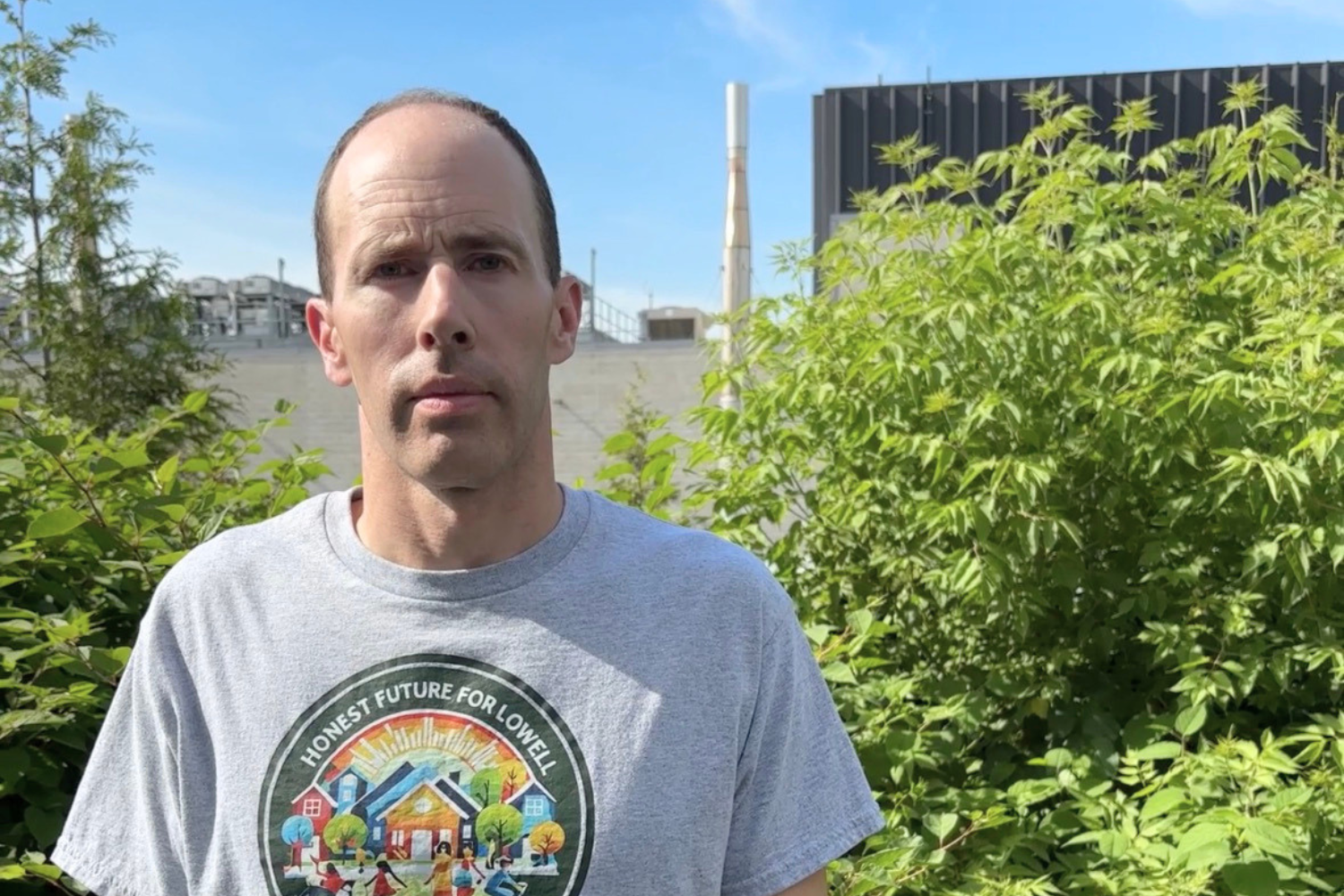
Photo by Newsweek
Key Takeaways:
- Data centers are rapidly expanding in states like Virginia, Massachusetts, and North Carolina.
- Local communities report dramatic environmental changes where forests once stood.
- Large technology firms such as Microsoft drive these expansions to support AI and cloud computing.
- Residents describe the striking shift in their neighborhoods, from natural surroundings to industrial complexes.
- Concern over long-term impact continues to grow as more facilities break ground.
The Changing Landscape
Newly constructed data centers have appeared in regions across the United States, notably in Virginia, Massachusetts, and North Carolina. Residents are witnessing large patches of forested land make way for towering industrial structures that power global cloud services. According to one resident quoted by Newsweek, “Where there used to be forest, now there are these monstrous buildings,” reflecting the striking visual transformation.
Driving Forces Behind the Growth
Companies like Microsoft are at the forefront of this nationwide data center boom. Their focus on cloud computing infrastructure and artificial intelligence places a premium on massive server capacity, resulting in facilities that consume extensive real estate and energy. As AI technology continues to evolve, insiders anticipate further expansions to accommodate the demand.
Local Perspectives
The shift from natural surroundings to bustling industrial complexes has not gone unnoticed by nearby neighborhoods. Some residents are concerned about noise from cooling systems and the visual impact. While the full scope of disruptions can vary from one location to another, the overarching concern remains: communities fear the possible erosion of their local ecosystems and quality of life.
Future Implications
Many observers question how these data centers will shape regional development in the years to come. As the need for advanced computing continues to skyrocket, more projects may be on the horizon. In states like Virginia and North Carolina, officials and residents alike may need to balance the benefits of technological progress with preserving the nature and character of their communities.
Community Insights
For people living next door to these facilities, the transformation of their towns is already tangible. It serves as a reminder that while computing power fuels modern life and scientific breakthroughs, it can also leave a lasting imprint on the landscapes we inhabit.