One American who had been aboard a cruise ship engulfed in a deadly hantavirus outbreak is receiving a high-cost rescue from a remote South Pacific island. The Trump administration arranged a private yacht eviction at a price tag of $750,000, reflecting the lengths taken to protect U.S. citizens during global health crises.
Subscribe
Breaking News
Infectious Diseases
US puts up $750K to evacuate an American who was aboard hantavirus cruise ship from remote island

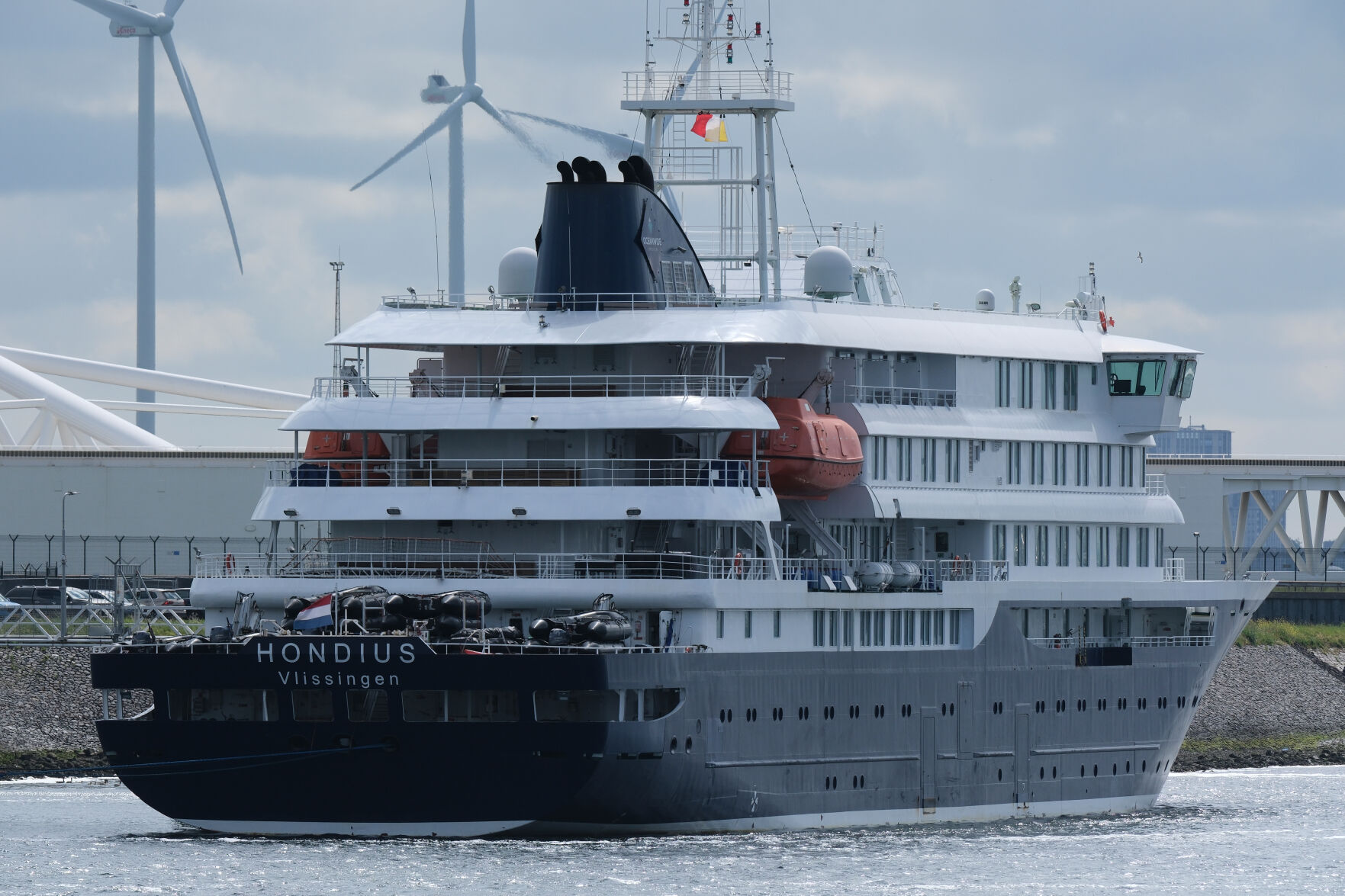
Photo by Herald Bulletin
Key Takeaways:
- The U.S. spent $750,000 to evacuate one American.
- The evacuee had been on a cruise ship affected by a deadly hantavirus outbreak.
- The operation relied on a private yacht to reach a remote South Pacific island.
- The Trump administration authorized the extraordinary expenditure.
- This highlights the government’s extensive measures to protect U.S. citizens abroad.
The $750K Rescue Operation
The United States government has allocated $750,000 to rescue a single American left stranded on a remote island in the South Pacific. This extraordinary measure came in response to a quickly escalating health crisis: the citizen had been aboard a cruise ship associated with a deadly hantavirus outbreak.
Hantavirus at Sea
Before the evacuation plan materialized, a cruise ship reported several cases of hantavirus, prompting global concern. With the vessel docked in the South Pacific, challenges mounted, especially for the one American traveler who needed urgent assistance. The deadly nature of the outbreak drove health and government officials to move swiftly.
Government’s Swift Response
In an unusual move, the Trump administration committed $750,000 in public funds to secure a private yacht for the rescue. Officials underscored the urgency of the situation and justified the cost as necessary to ensure the safety of a U.S. citizen. Details on the specific reasoning behind selecting a private yacht remain limited, but such a vessel was apparently essential for reaching the isolated location swiftly and safely.
Logistics on a Remote Island
Reaching a South Pacific island with limited infrastructure posed logistical hurdles. Commercial flights or other transport options were not feasible, leaving a private yacht as one of the few remaining solutions. This mission underscores the complexity of orchestrating medical evacuations from remote regions, where medical facilities and transportation links can be scarce.
What This Means
This high-level rescue illustrates the government’s commitment to safeguarding Americans overseas, even in extreme circumstances. While the extraordinary sum highlights the financial strain that public health emergencies can impose, U.S. officials defended the mission by citing the deadly nature of the hantavirus outbreak.
The evacuation stands as a testament to the lengths authorities will go to support citizens threatened by global health crises—no matter how remote the location or how steep the cost may be.