As bread prices soar and lines lengthen, Syria’s new interim government grapples with a crisis that threatens its stability. Sanctions, corruption, and dwindling flour supplies compound the challenges faced by a nation in transition.
Subscribe
Analysis and Opinions
Breaking News
International Politics
Middle East
Policy Analysis
Political Movements
Trade Agreements
Voices from the new breadlines in Syria: Who’s waiting? And why?

Key Takeaways:
- Bread prices have increased tenfold in Syria, causing widespread hardship.
- The new government struggles to manage corruption and black market bread sales.
- International sanctions impede the import of crucial flour supplies.
- Russia halted flour shipments post-regime change; Ukraine has offered aid.
- Public frustration is growing as basic needs like bread remain unmet.
A Line for Survival
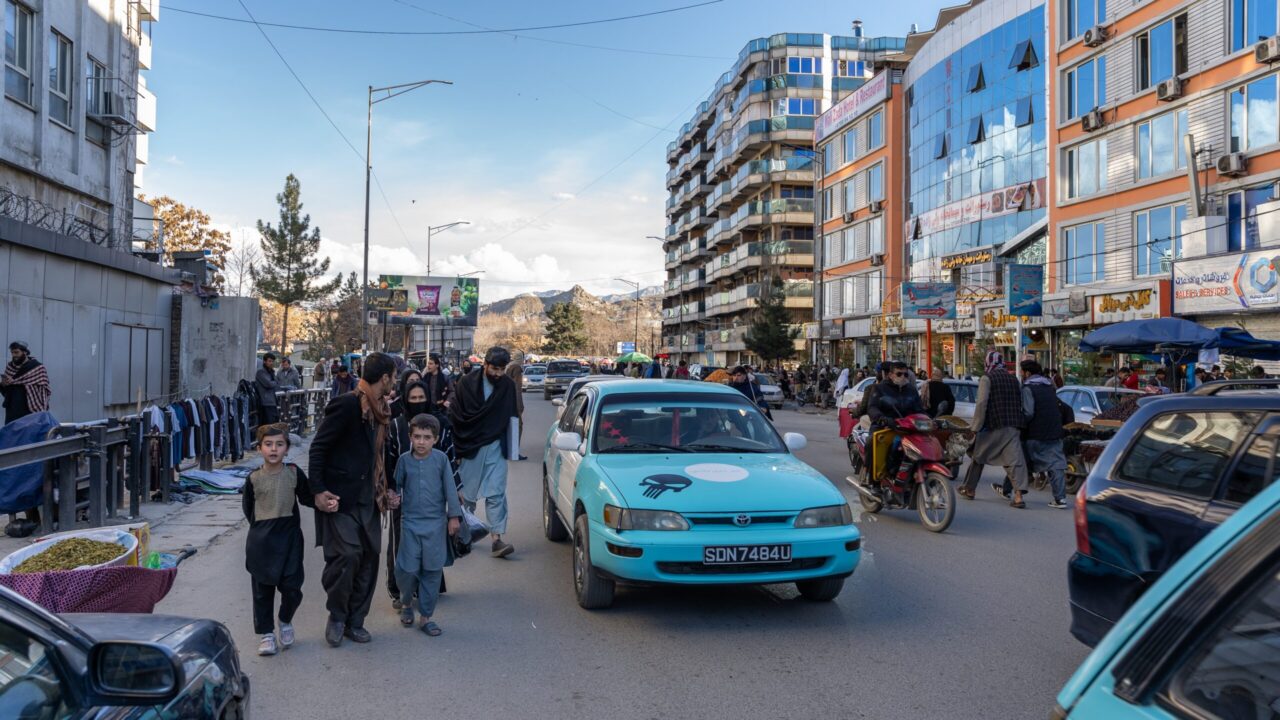
Outside a Damascus bakery, separate lines of men and women stretch down the street. In this city, it’s customary to maintain modesty, so the crowds have formed gender-segregated queues. The wait is long, and patience is wearing thin.
Rahaf, a 35-year-old mother of eight, stands among them, her eyes reflecting fatigue and desperation. “I’m only alive because I’m not dead,” she says. The bread she’s hoping to buy now costs 4,000 Syrian lira for a dozen flatbreads—a tenfold increase from the previous 400 lira, equivalent to 31 cents. For families like hers, surviving on less than $2 a day, this surge spells disaster.
Change in Leadership, Persistent Problems
Since rebels toppled the Assad regime and established a new interim government in early December, scenes of long bread lines have become commonplace across Damascus’s 69 bakeries. “We’re in a period of some chaos,” observes Joshua Landis, a Syria specialist and co-director of the Center for Middle East Studies at the University of Oklahoma.
Bread has long been politically sensitive in Syria. The former regime heavily subsidized it, but scarcity was rampant, contributing to public discontent and Assad’s eventual downfall. The new government now faces the formidable task of meeting this basic need amid turmoil.
Economic Measures and Their Impact
To combat black market corruption, the government raised bread prices, hoping to reduce incentives for illegal sales. “We found a lot of corruption,” admits Mohammad Siyadeh of the Ministry of Supply. The increase aims to prevent approximately 765,000 tons of flour from leaking daily into the private market.
Despite the hike, bread remains subsidized; without support, a dozen flatbreads would cost 12,000 Syrian lira, or 92 cents. Recognizing the strain on citizens, the government announced a fourfold increase in public sector pay on January 6, an attempt to alleviate hardships.
The Role of International Sanctions
A more daunting challenge looms: Syria’s flour reserves are dwindling, with only a five-month supply remaining. Russia, once a key supplier, halted flour shipments after the regime change, citing concerns over payment. Ukraine has offered aid, donating 500 tons of flour and expressing willingness to provide more.
However, international sanctions hinder these efforts. Siyadeh explains that sanctions “are the biggest problem facing us in terms of importing wheat.” Intended to punish the former Assad regime, these sanctions restrict the new government’s access to international banking, complicating imports of essential goods like flour. Recent U.S. announcements to ease humanitarian aid purchases have yet to make an impact.
Black Market Dynamics and Public Response
Corruption persists despite government efforts. Bakery workers, facing insufficient subsidies, continue to sell bread privately to avoid losses. This black market activity not only undermines official channels but also slows service for those waiting in line.
Many impoverished Syrians have turned to reselling bread at roadside stands to eke out a living. “I have to sell bread to feed my children bread,” says Khalaf, a 65-year-old man selling flatbreads by the roadside.
Voices from the Breadlines
Public frustration is palpable. A retired schoolteacher, weary from a two-hour wait, questions the new leadership’s promises. Even those who championed the change grapple with daily hardships. A 33-year-old single mother of three, whose husband was detained and never returned under the former regime, remains hopeful. “That freedom is more important than bread,” she asserts. Yet, she resorts to buying bread from roadside sellers at higher prices because she can’t afford the time to wait in line.
Conclusion: Looking Ahead
The bread crisis in Syria is more than an economic challenge; it’s a test of the new government’s ability to meet the fundamental needs of its people. As Landis cautions, if unresolved, “it will soon become a political crisis as well as a hunger crisis.” For now, Syrians stand in line—waiting not just for bread, but for signs of real change.