China’s decision to construct an ammunition plant in Kuwait signals its growing defense ambitions in the Gulf. Yet, even with this new project, the United States remains the most influential security partner in the region.
Subscribe
Global Conflicts
International Politics
Middle East
Why Is China Building an Ammunition Plant in Kuwait?

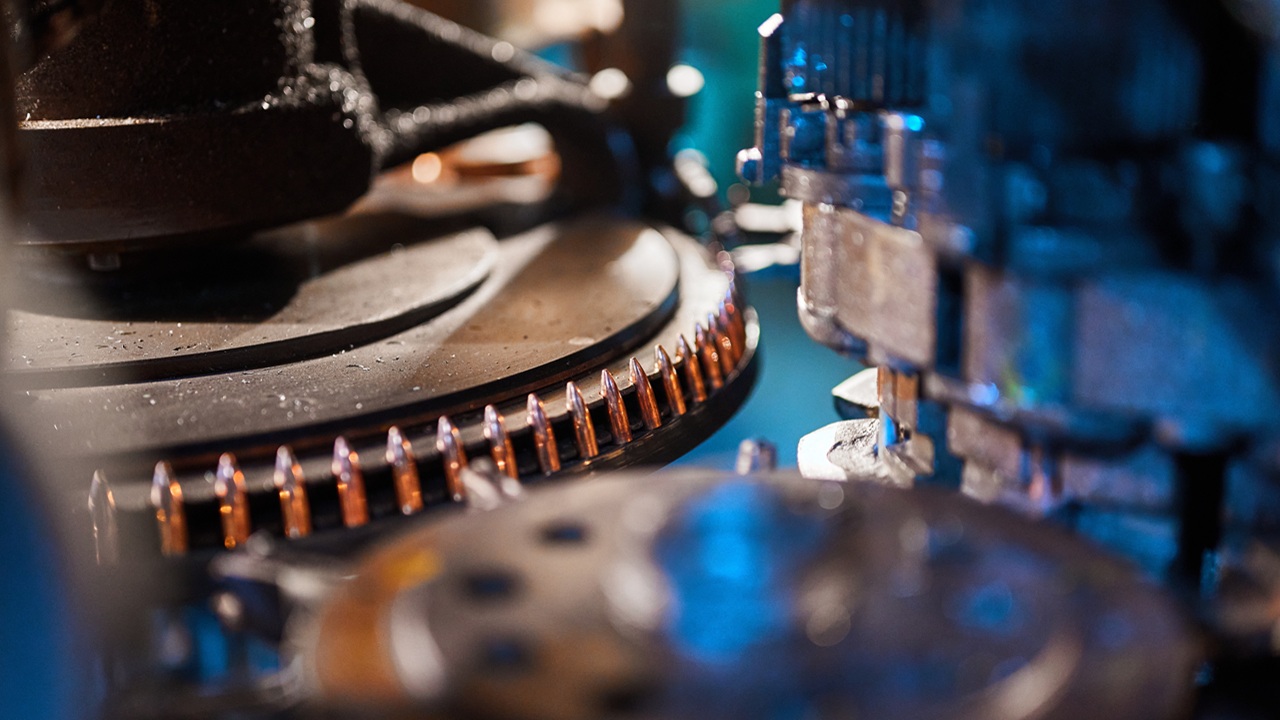
Photo by The National Interest
Key Takeaways:
- China plans to build an ammunition plant in Kuwait, indicating its expanding defense interests.
- The Gulf region continues to hold immense strategic importance for global powers.
- The United States remains the key security ally for Gulf nations, despite China’s growing presence.
- China’s defense manufacturer, Norinco, is associated with the plant’s development.
- The National Interest published details of the deal on February 20, 2026.
China’s Growing Defense Interests in the Gulf
China’s decision to establish an ammunition plant in Kuwait reflects its quest to increase its influence within the Gulf. Although specific project details remain limited, reported involvement by defense manufacturer Norinco underscores how Beijing seeks key footholds in Middle Eastern defense sectors, despite being relatively new to the region compared to Western powers.
Kuwait’s Strategic Position
Kuwait lies in a critical location within the Gulf, serving as a vital hub for energy exports and an important partner for security cooperation. Its role in regional affairs makes it appealing to powers like China, which aims to expand its defense partnerships and commercial ties. By positioning itself in Kuwait, China enhances both its economic and strategic presence nearby major oil-producing states.
America’s Enduring Influence
Despite China’s plans, the United States maintains a longstanding relationship with Gulf nations, including Kuwait. As stated in The National Interest, “Though China has sought to make military inroads in the Gulf, the United States remains the region’s unrivaled security partner of choice.” This enduring partnership hinges on decades of security collaboration, arms sales, and mutual defense agreements, keeping the United States as a central figure in the region.
Regional Implications
The new plant underscores a shift in military procurement and production in the Middle East, as countries consider balancing established partnerships with emerging ones. Observers continue to watch how China’s involvement may affect traditional regional dynamics, although current indicators point to the United States staying in the lead.
China’s ammunition plant will likely mark just one of many initiatives to enhance its standing in the Gulf. While it remains to be seen how this project will alter the regional security equation long term, the development is a clear signal of China’s evolving ambitions on the world stage.