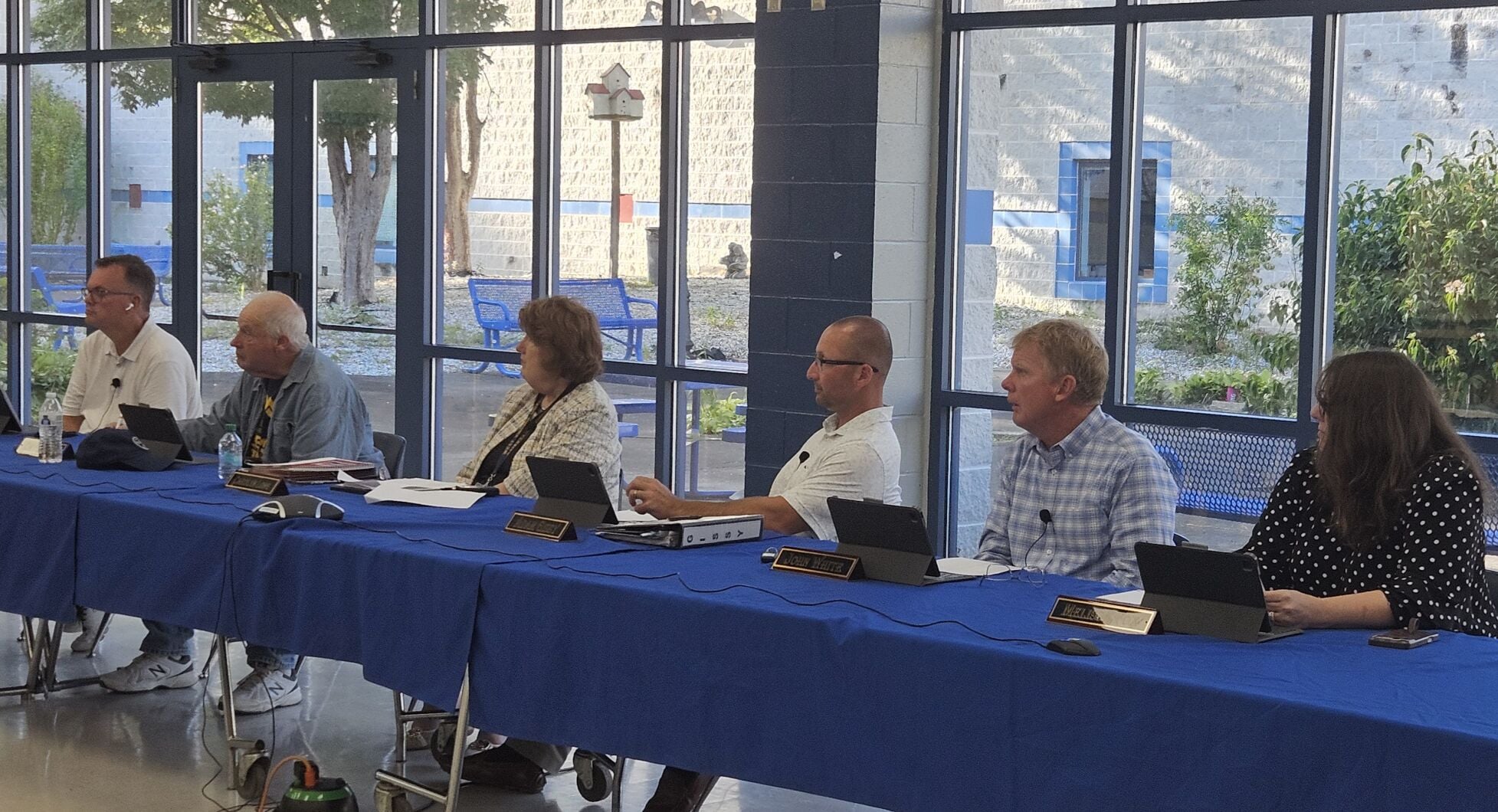
Yavapai College Board member William “Bill” Kiel has filed three new Open Meeting Law violation complaints against former Chairwoman Deb McCasland. The complaints, submitted to the Arizona Attorney General’s Office, focus on alleged procedural issues dating back to an April 3 board meeting.
Subscribe
Breaking News
William Kiel submits 3 new Open Meeting Law violation complaints

Key Takeaways:
- Yavapai College’s District 1 representative, William “Bill” Kiel, filed the complaints
- All allegations involve former Board Chairwoman Deb McCasland, District 2
- The complaints were sent to the Arizona Attorney General’s Office on June 14
- The alleged violations date back to a meeting held on April 3
- The dispute raises broader questions about board transparency
The Newly Filed Complaints
William “Bill” Kiel, who represents District 1 on the Yavapai College Governing Board, recently submitted three Open Meeting Law violation complaints to the Arizona Attorney General’s Office. Each complaint addresses procedural or legal concerns about how board business was conducted, citing specific actions that Kiel believes contravene state law.
The Alleged April 3 Violations
According to the submitted paperwork, the alleged violations stem from an April 3 board event led by then-Chairwoman Deb McCasland. Kiel’s filings suggest that certain decisions or discussions at this meeting were not in compliance with Arizona’s Open Meeting Law standards, though the exact details of his claims have not been publicly disclosed beyond what is indicated by the complaints.
The Parties Involved
The complaints name former Board Chairwoman McCasland, who represented District 2, as the primary individual responsible for these alleged missteps. Kiel, as the District 1 representative, filed the official documents on June 14. By pointing to actions taken by the board’s leadership, Kiel’s move appears to highlight concerns about overall governance standards within Yavapai College.
What Lies Ahead
Now that the complaints are in the hands of the Arizona Attorney General’s Office, the matter falls under the jurisdiction of state authorities. If the Attorney General determines that violations occurred, further action may be taken against those found responsible. As the process moves forward, these developments may prompt questions about transparency and adherence to procedural rules within the Yavapai College Governing Board.