A unique international collaboration is enabling Washington State University landscape architecture students to design a sustainable food hub in Liberia. By bringing together academic insight and local community needs, the project aims to redefine food systems in a country poised for agricultural growth.
Subscribe
Sub-Saharan Africa
Sustainable Living Practices
WSU students design sustainable food hub in Liberia

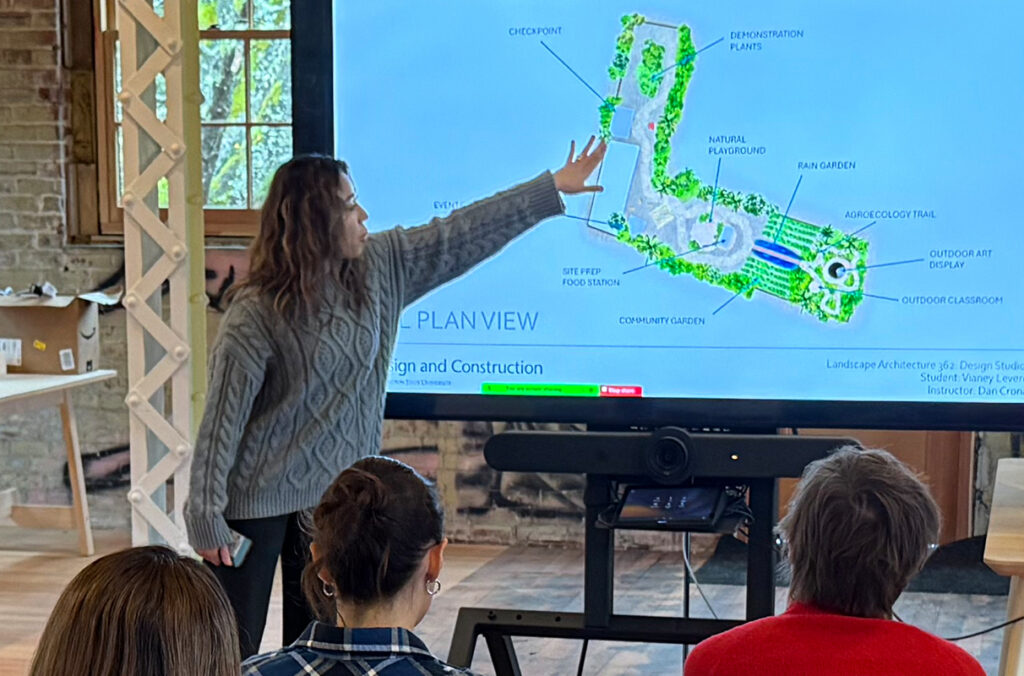
Photo by Washington State University
Key Takeaways:
- A unique international partnership connects WSU students with Liberian communities.
- Landscape architecture students lead the design of a sustainable food hub.
- Community engagement stands at the core of the initiative.
- The project prioritizes environmentally conscious methods.
- It has the potential to reshape agricultural practices in Liberia.
The Power of Collaboration
An innovative effort is unfolding across continents as Washington State University (WSU) landscape architecture students team up with partners in Liberia. This initiative, described as a “unique international collaboration,” focuses on designing a sustainable food hub that could redefine how communities grow and share food.
Student Leadership in Sustainable Design
The driving force behind this project is a cohort of WSU landscape architecture students. Their mission: to apply sustainable principles learned in the classroom to benefit real-world agriculture. Drawing on their design expertise, they seek to address environmental concerns and support a central hub where local producers can unite around shared practices and resources.
Community-Centered Agriculture
Central to this project is empowering communities in Liberia. The design concept revolves around a food hub that is both environmentally friendly and socially inclusive. By collaborating with local stakeholders, the students aim to build a system whereby neighborhoods not only gain reliable access to fresh food but also learn best practices that bolster food security.
An Eye on Sustainability
From selecting environmentally responsible materials to considering local biodiversity, every detail of the hub’s design is intended to foster a more sustainable agricultural future. The project aligns with global calls for innovative approaches to food production that respect ecological boundaries while meeting community needs.
Looking Ahead
Though still in development, this collaboration offers a promising glimpse into how education and global partnerships can create meaningful change. By uniting WSU’s academic insight with Liberia’s local context, these future architects of the land hope to spark long-lasting improvements in agriculture—one sustainable food hub at a time.