Westinghouse stands at the center of a renewed wave of nuclear energy, fueled by advanced artificial intelligence solutions. This article explores how the company’s embrace of modern technology positions it at the forefront of America’s clean energy conversation.
Subscribe
Green Energy Solutions
Industry News
AI and energy: How Westinghouse is riding the momentum of a nuclear revival

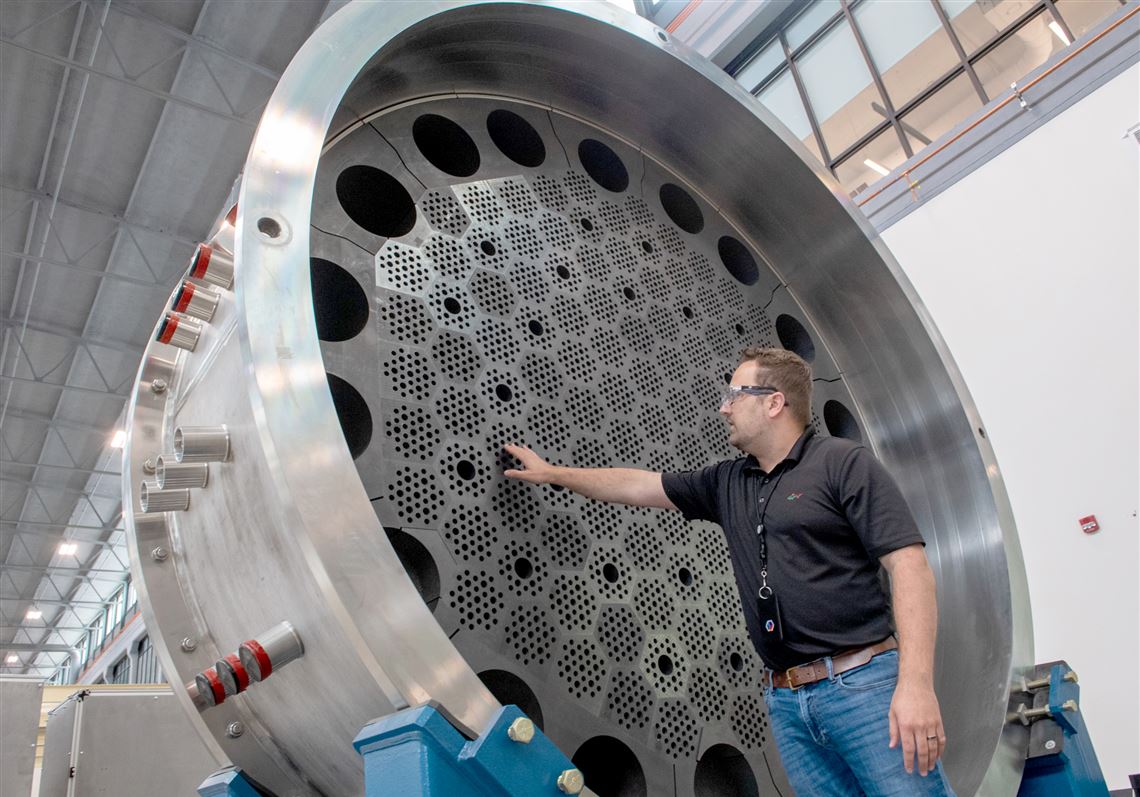
Photo by Pittsburgh Post-gazette
Key Takeaways:
- Westinghouse’s role in the growing nuclear energy market
- AI’s expanding influence on operational safety and efficiency
- The renewed interest in nuclear power across the United States
- The domestic focus on sustainable and advanced energy solutions
- Future prospects for integrating AI in nuclear production
Westinghouse and the Changing Energy Scene
Westinghouse, a historic name in nuclear power, has found itself in the spotlight once again as a renewed interest in nuclear energy takes shape across the United States. With fresh momentum driving the industry, the company is looking to cutting-edge technologies to modernize—and, many hope, revolutionize—its approach to energy production.
Tracing the Nuclear Path
For decades, nuclear power has been a staple of American energy, yet it has faced fluctuating public opinion and policy backing. Westinghouse’s legacy has long been entwined with that narrative. While the company saw challenges during periods of low demand and high regulatory scrutiny, it now stands ready to meet new energy needs amidst this revival.
The Rise of AI in Reactor Operations
Recent advancements in artificial intelligence have opened doors to more refined methods of monitoring, maintaining, and optimizing nuclear facilities. The use of AI-enabled systems can enhance operational safety, predict equipment failures before they happen, and streamline performance. By focusing on these areas, Westinghouse aims to avoid costly downtime and elevate the overall reliability of nuclear power for domestic use.
Domestic Impact and Significance
Within the United States, momentum around nuclear energy has grown under the pursuit of cleaner, stable power sources. Westinghouse’s push into AI-driven operations reflects a broader effort to ensure the country remains at the forefront of energy innovation. If the technology proves successful, it could lead to notable economic benefits at home—spurring job growth and reinforcing domestic infrastructure.
Looking Ahead
As nuclear energy experiences a fresh renaissance, many observers point to Westinghouse’s work as an indicator of where the industry could head. The interplay of AI and nuclear technology highlights a future that may combine lower carbon emissions with state-of-the-art safety measures. Whether this heralds a long-term shift in America’s power generation or a stepping stone to other sustainable technologies, Westinghouse and its AI-led strategies appear poised to guide the conversation for years to come.