A recent NYNEXT interview spotlights the accelerating impact of AI-driven “digital beings,” which can reason, empathize, and — according to tech titan Chetan Dube — may soon surpass human performance. As these agents move into customer service, handling the majority of complex service requests, some experts warn of a “digital tsunami” about to crash over us.
Subscribe
Future of Work
Generative AI
AI bosses? Tech titan warns a ‘digital tsunami’ is about to crash over us

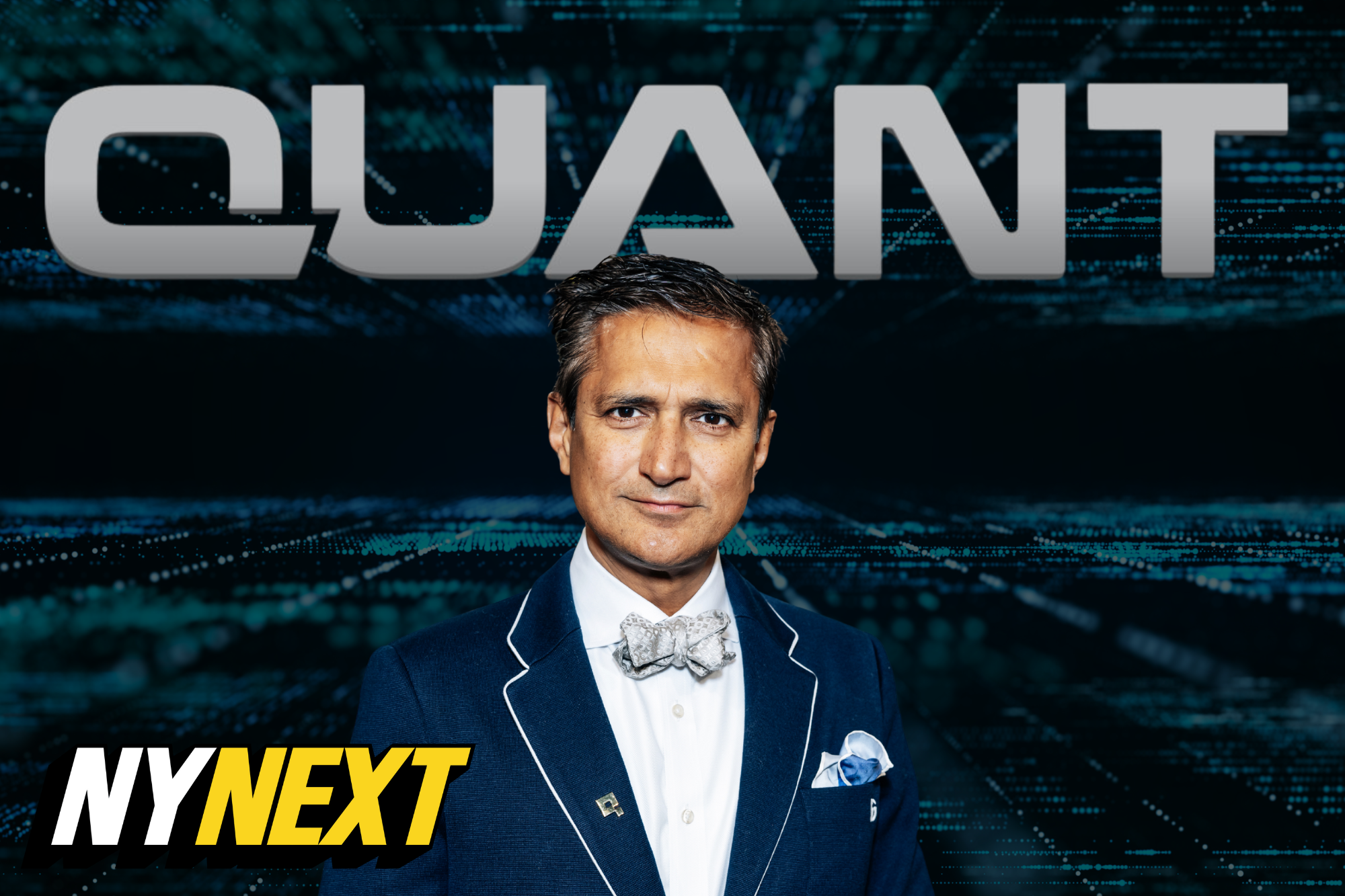
Photo by New York Post
Key Takeaways:
- Chetan Dube warns of a sweeping “digital tsunami” driven by AI
- “Digital beings” are designed to reason, empathize, and outperform humans
- Quant’s AI agents already handle complex customer-service tasks
- The interview took place under the NYNEXT series with reporter William Zimmerman
- Dube’s vision raises crucial questions about the future of work
The Interview and the ‘Digital Tsunami’
Tech visionary Chetan Dube vividly describes the immense wave of change that artificial intelligence could bring, going so far as to call it a “digital tsunami.” In a recent conversation with NYNEXT reporter William Zimmerman, Dube underscores the looming impact of AI in daily life and warns that we might be on the verge of a major technological turning point.
The Emergence of ‘Digital Beings’
During the interview, Dube references a new generation of AI systems he calls “digital beings.” Unlike simpler chatbots or automated tools, these entities are designed to simulate human-like reasoning and empathy — capabilities that, in his words, could eventually surpass everyday human performance.
Reinventing Customer Service
One of the most immediate applications of this technology is happening in the customer-service arena. Dube’s company, Quant, has introduced AI agents that are already handling the majority of complex requests. According to Dube, these agents operate at a standard that often exceeds traditional human-led approaches, suggesting a fundamental shift in how businesses might soon interact with their customers.
Surpassing Human Performance
The interview reveals that these digital beings can address intricate service needs with speed and accuracy. More intriguingly, Dube points out their empathetic capacity, which challenges long-standing beliefs that only humans can offer authentic emotional support. If this trend continues, the role of AI in various industries could grow faster than previously imagined.
Looking Ahead
Dube’s outlook paints a picture of a future where AI takes on increasingly significant responsibilities, potentially rising to managerial or supervisory levels. While the notion of AI “bosses” might seem bold, Dube’s “digital tsunami” metaphor aptly conveys the scale and speed of change coming our way. Whether this wave sweeps us toward unprecedented efficiency or poses new challenges, it is a future that demands close attention and thoughtful foresight.