A Minnesota toplessness case has captured national attention, with some suggesting the woman at its center served as a pawn in a battle over gender equity. However, a new commentary counters that idea, arguing she was never exploited, but rather actively engaged in navigating the legal system.
Subscribe
Analysis and Opinions
Counterpoint | Minnesota’s toplessness case was not exploitation. It was the legal system at work.

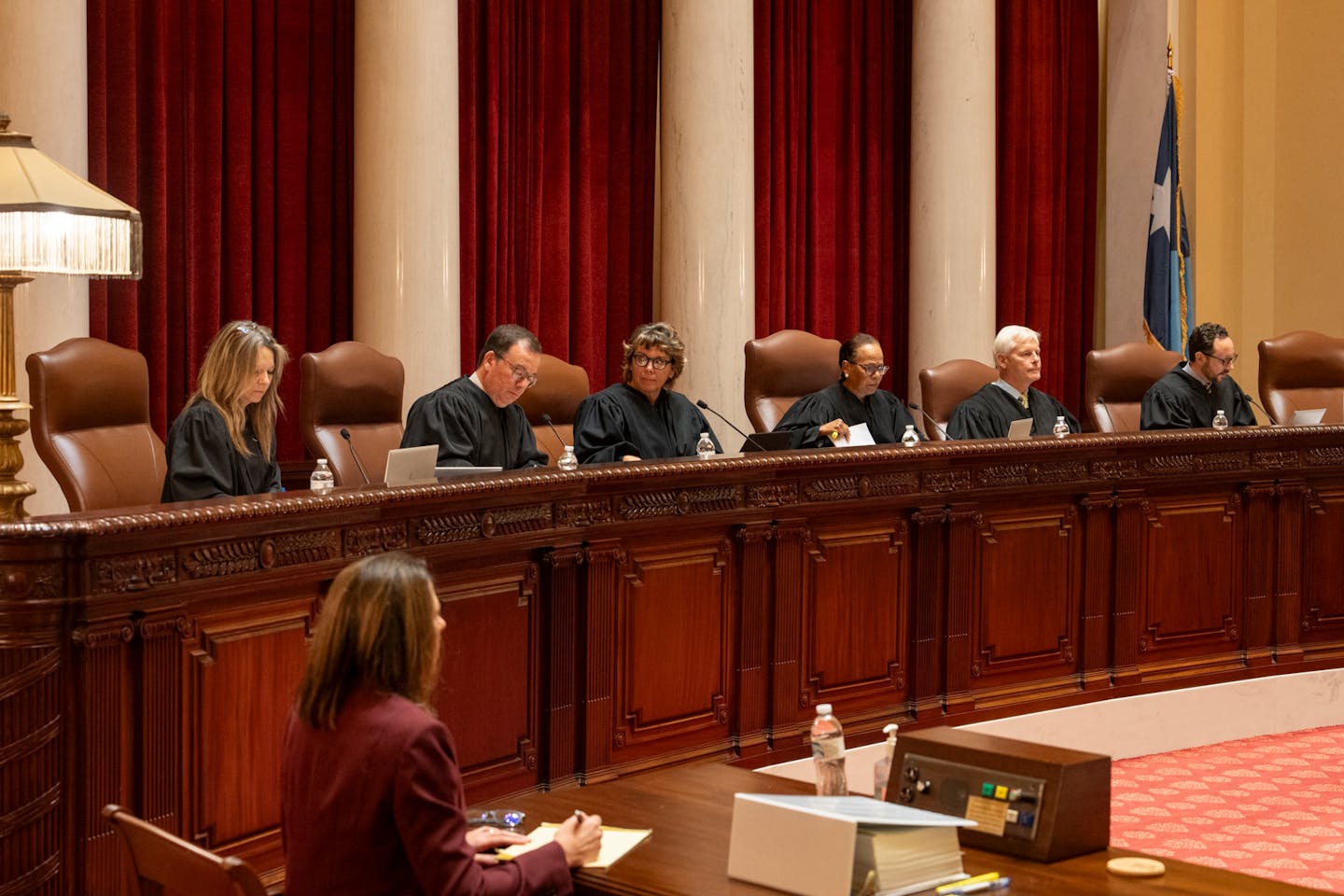
Photo by Startribune
Key Takeaways:
- Minnesota Toplessness Case: Focuses on a legal dispute regarding toplessness.
- The Subject, Eloisa Plancarte: Central figure who was not coerced or exploited.
- Refuting Exploitation Claims: The commentary emphasizes her full agency in the matter.
- Role of the Legal System: Highlights how this scenario underscores ordinary legal procedures.
- Conflicting Perspectives: The commentary challenges a previous story’s portrayal of Ms. Plancarte.
Minnesota’s Toplessness Case
A recent commentary challenges the perception that Minnesota resident Eloisa Plancarte was used as a pawn in the fight to advance gender equity. The case has garnered attention because it touches on personal freedoms and the legal system’s responsibility to ensure fair treatment of every individual.
Refuting the Pawn Narrative
“A recent story implied Eloisa Plancarte was a pawn in the battle to advance gender equity. That couldn’t be farther from the truth,” the commentary states. The author, Jess Braverman, underscores that Ms. Plancarte herself took an active role in the legal debate, rather than being at the mercy of any larger cause.
The Legal Process at Work
The commentary stresses that Ms. Plancarte’s decisions and experiences reflect how the legal system ordinarily functions. Rather than highlighting sensationalism, it points to a process that respects individual autonomy and enforces existing statutes.
Affirming Personal Agency
In countering the claim of exploitation, the piece describes Ms. Plancarte as fully aware of her role in contesting legal norms. This perspective reframes the case from an instance of manipulation to an example of civic participation.
Why Context Matters
By placing the debate in the broader legal context, the commentary aims to shift attention to the facts behind Ms. Plancarte’s case. Ultimately, the author seeks to clarify that standing up for one’s rights can be part of a normal legal process—rather than a narrative of exploitation.