Oil analysts expected prices to soar to $150 following a closure of the Strait of Hormuz. Instead, three months into this disruption, prices hover around $100 a barrel—significantly below recent historical highs, leaving experts wondering what’s keeping them down.
Subscribe
Analysis and Opinions
International Politics
Middle East
Why Hasn’t Oil Hit $150?

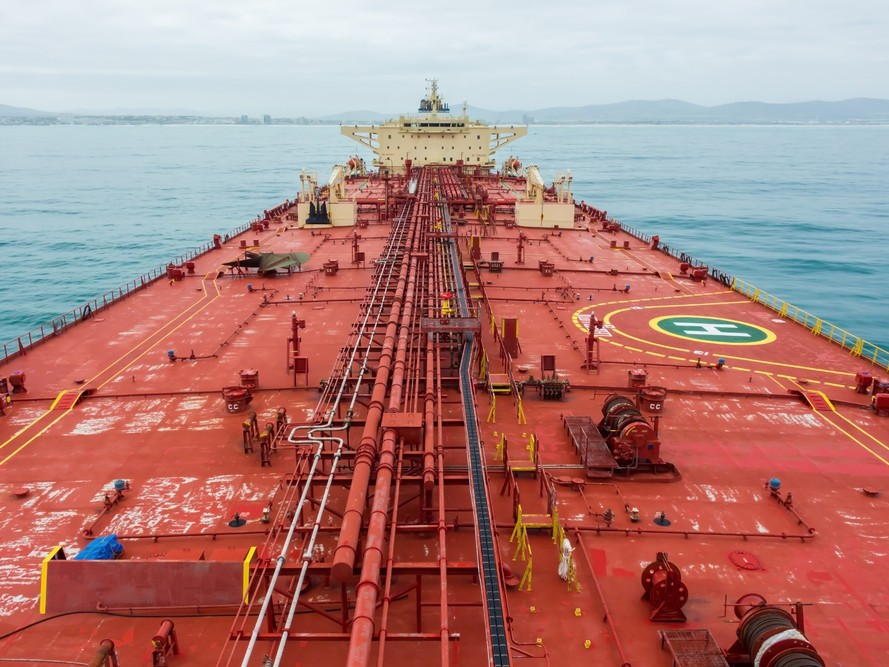
Photo by Oil Price
Key Takeaways:
- The Strait of Hormuz has been closed for three months, reducing global oil supplies.
- Many analysts had anticipated oil to surpass $150 a barrel by now.
- Oil prices have risen sharply but are still just over $100.
- Current prices remain below levels seen after Russia’s 2022 invasion of Ukraine.
- The disparity between supply math and market reality surprises seasoned observers.
A Not-So-Expected Market Response
Roughly three months into a total closure of the Strait of Hormuz, many analysts predicted oil to be trading at far beyond $100 a barrel, possibly even hitting $150. One energy observer noted, “I certainly expected prices to be significantly higher by now,” reflecting a broad consensus that cutting off such a vital chokepoint would send prices skyrocketing.
Recent Price Movements in Context
Despite the tense supply situation, oil has risen—but not to the record highs some recalled from past disruptions. The levels remain shy of those reached after Russia’s 2022 invasion of Ukraine, as well as all-time highs set previously. While $100 a barrel does mark a significant jump from earlier floors, the market’s overall restraint has gone against typical forecasts.
The Supply-Demand Conundrum
Analysts often refer to the “physical math” of oil: removing a chunk of supply from a system that relies heavily on it should, in theory, push prices to new heights. According to the original commentary, “take that much supply off the market, and prices should respond quickly and decisively.” However, other factors—such as global oil inventories, refinery operations, and OPEC’s spare capacity—could be helping balance the market. Regardless of these mechanisms, the gap between expected and actual prices remains puzzling to many experts.
Looking Ahead
With the energy crisis still unfolding, a broad spectrum of uncertainties persists. Industry watchers wonder whether prices will eventually catch up to the earlier, grim predictions, or if new dynamics—like shifting demand patterns and strategic stock releases—will keep a cap on oil. For now, the ongoing disruption highlights a simple truth: global oil markets do not always behave as predicted, and even drastic supply disruptions may not guarantee all-time high prices.