A woman grapples with a newly confirmed cancer diagnosis that she has anticipated for years. Despite sharing the news with her children, she hesitates to tell her 100-year-old mother, who remains mentally sharp but physically frail.
Subscribe
Chronic Illness Management
Coping Strategies
Daughter hides illness from elderly mother


Photo by Durango Herald
Key Takeaways:
- The daughter always expected cancer due to her family’s medical history.
- She calls cancer her family’s disease.
- Her mother, at 100, is mentally alert but frail.
- She has confided in her children, who likely told her grandchildren.
- She agonizes over whether to disclose her diagnosis to her mother.
A Lifelong Expectation
“I have been expecting to be diagnosed with it since I was a teen.” For one woman, cancer loomed as an unavoidable family legacy. Now, that long-standing concern has become reality, forcing her to cope not only with the physical challenge of treatment but also with the emotional hurdle of deciding how much to share with those closest to her.
A Family’s Burden
“It is my family’s disease,” she says, capturing the sense of inevitability that has shadowed her for decades. The diagnosis, while distressing, was not entirely unexpected. Her personal story reflects the many families who grapple with hereditary conditions and the worry that accompanies them.
Age and Frailty
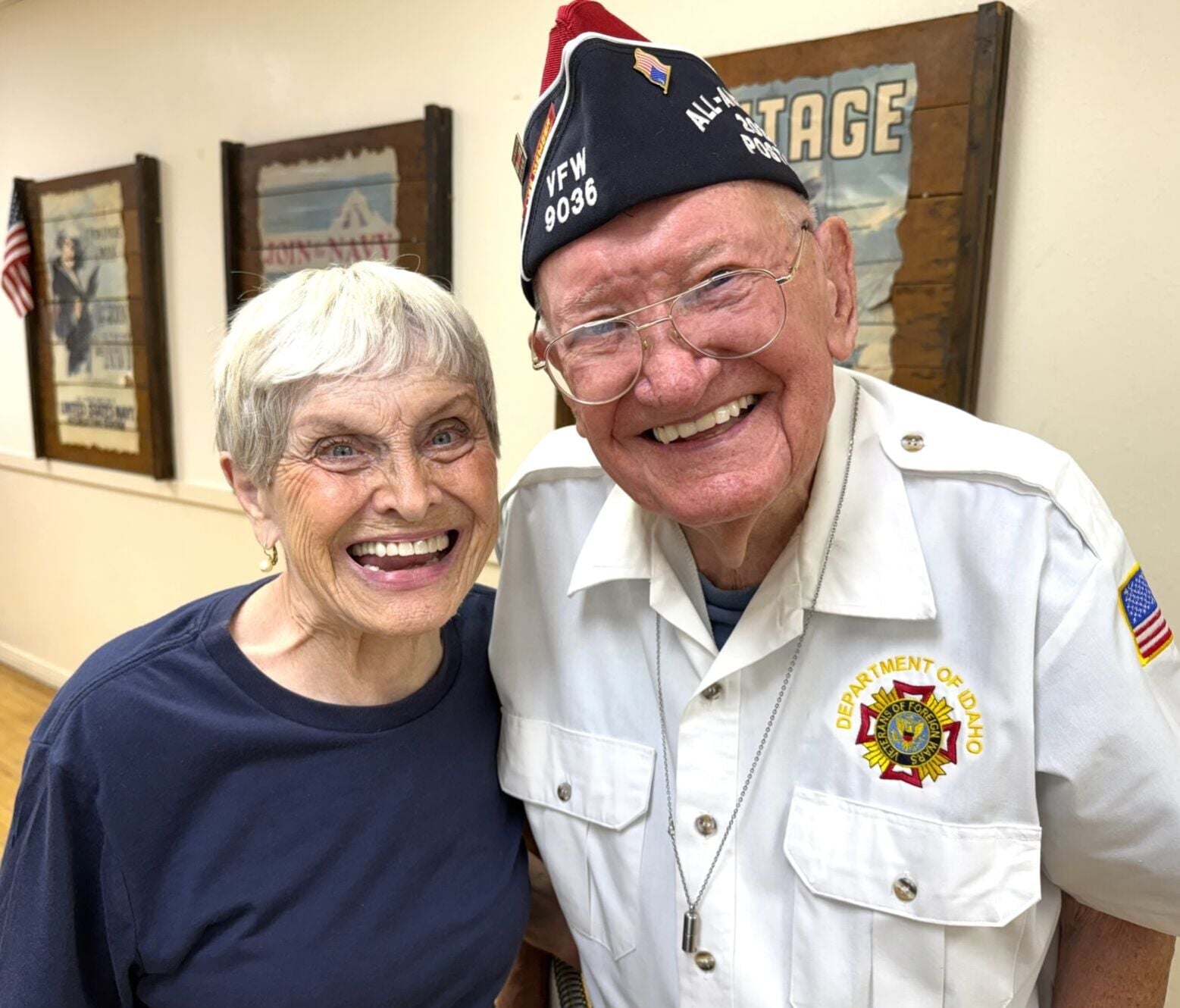
“My mother is 100 and still has her faculties, but she is frail,” the daughter explains. The mother’s advanced age and delicate health underscore the complicated decision over whether this sensitive news would add more stress to her daily life.
Telling Her Children
“I have shared the diagnosis with my children, and I assume they told my grandchildren.” By informing her immediate family, she hopes to ensure clarity and openness with the younger generations. However, those same revelations illustrate the power of family dynamics: news of a serious health issue quickly spreads, sometimes faster than intended.
Protecting an Elderly Mother
Although details about her husband’s perspective are limited, she does refer to him, suggesting he is part of her support network. Still, the central question remains: should she reveal her cancer diagnosis to her 100-year-old mother, or is it kinder to spare her the distress?
Balancing Openness and Care
For many in a similar position, the question of disclosure is fraught with emotion. The daughter’s dilemma highlights a universal issue—balancing the need for truthful communication with the instinct to shield loved ones, especially elderly family members, from painful realities. At the heart of her decision is a deep concern for her mother’s well-being, weighing whether this knowledge would serve to comfort or simply burden someone nearing life’s twilight.