Washington’s Big Four Ice Caves face the threat of a full melt, potentially for the first time in living memory. Experts say hotter summers and dwindling snowpack in the Pacific Northwest are driving this remarkable environmental shift.
Subscribe
Global Warming Effects
Washington’s Big Four Ice Caves could melt away for first time in memory

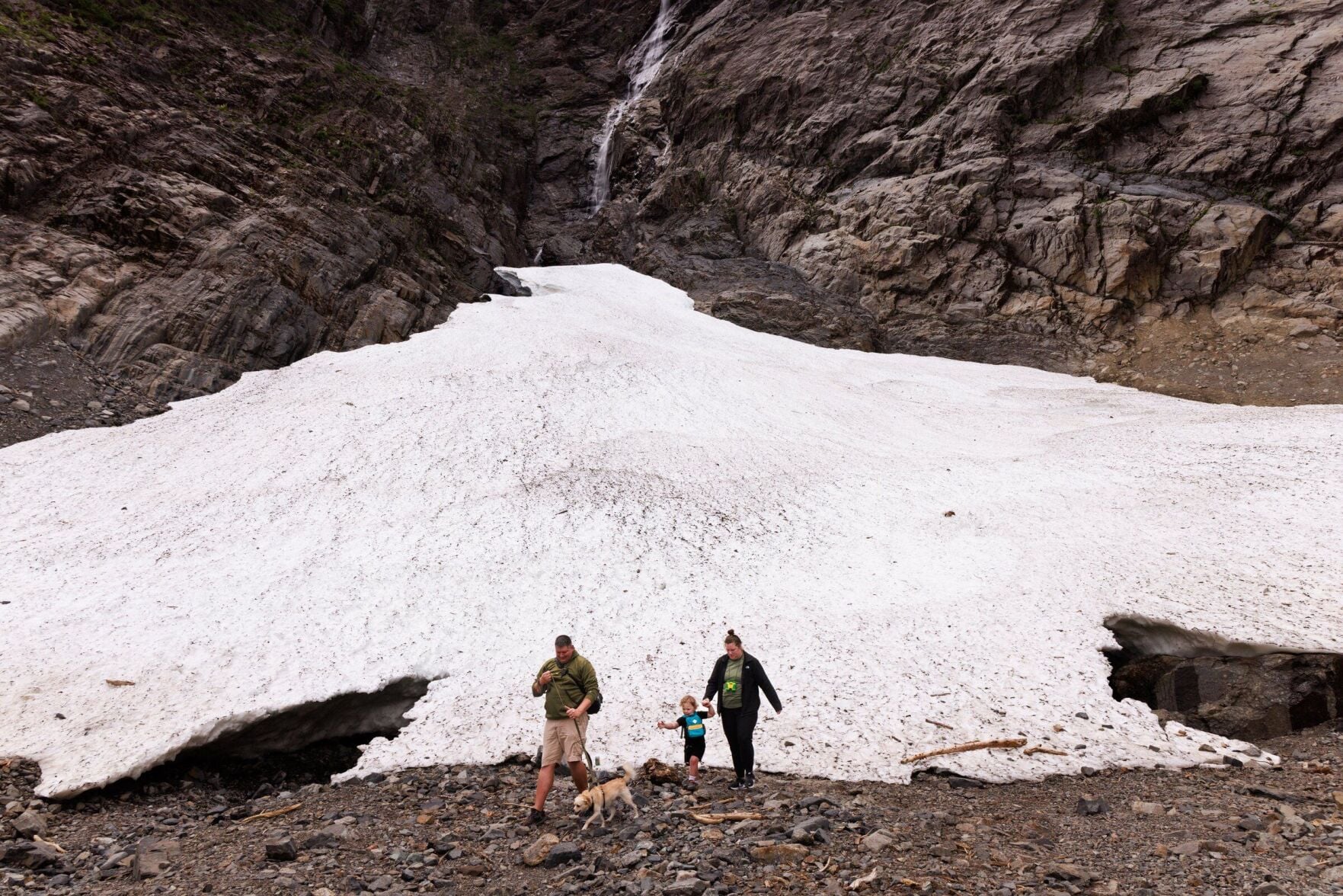
Photo by Yakima Herald-republic
Key Takeaways:
- The Big Four Ice Caves are located northeast of Seattle.
- Hotter, drier summers are accelerating cave melt.
- Dwindling snowpack intensifies yearly ice loss.
- This year could mark the caves’ first complete disappearance.
- The caves serve as an indicator of regional climate transformations.
Washington’s Big Four Ice Caves in Peril
Changing Climate Conditions
For decades, the Big Four Ice Caves just northeast of Seattle have drawn visitors seeking a glimpse of Washington’s natural wonders. Today, these same formations face the looming reality of a full melt. Experts say a combination of hotter, drier summers and winters with dwindling snowpack is speeding up the ice caves’ collapse.
Shrinking Snowpack
Pacific Northwest winters have long kept the caves stable by replenishing the ice needed to maintain their structure. Now, snowpack numbers are down, and the caves aren’t getting the consistent refreeze they traditionally could count on. Without sufficient winter snowfall, the caves stand largely unprotected against rising summer temperatures.
A Historic First
According to local observers, this summer could be the first time in anyone’s memory that the Big Four Ice Caves disappear entirely. Their vanishing would symbolize not just a local loss of a natural attraction but serve as a testament to shifting climate conditions throughout the region.
Regional Implications
Scientists and enthusiasts alike note that the caves’ visible deterioration may point to broader environmental trends across the Pacific Northwest. Though the Big Four Ice Caves are small on the global stage, their fate resonates with worldwide concerns over climate change and the preservation of unique geological features.
As the summer heat intensifies, many watch with anticipation to see whether the iconic icy recesses will fully give way to rock and water—an event that could mark a sobering milestone in the ever-evolving story of the Pacific Northwest’s climate challenges.