A rising wave of artificial intelligence investments is under close watch by Federal Reserve officials, who see AI-related demand as a potential factor driving inflation. New York Fed President John Williams’ concerns point to growing challenges for small-business owners, who could feel the squeeze of higher costs.
Subscribe
Generative AI
Industry News
Policy Analysis
Why the Trillion-Dollar AI Buildout Is Quietly Squeezing Small-Business Owners

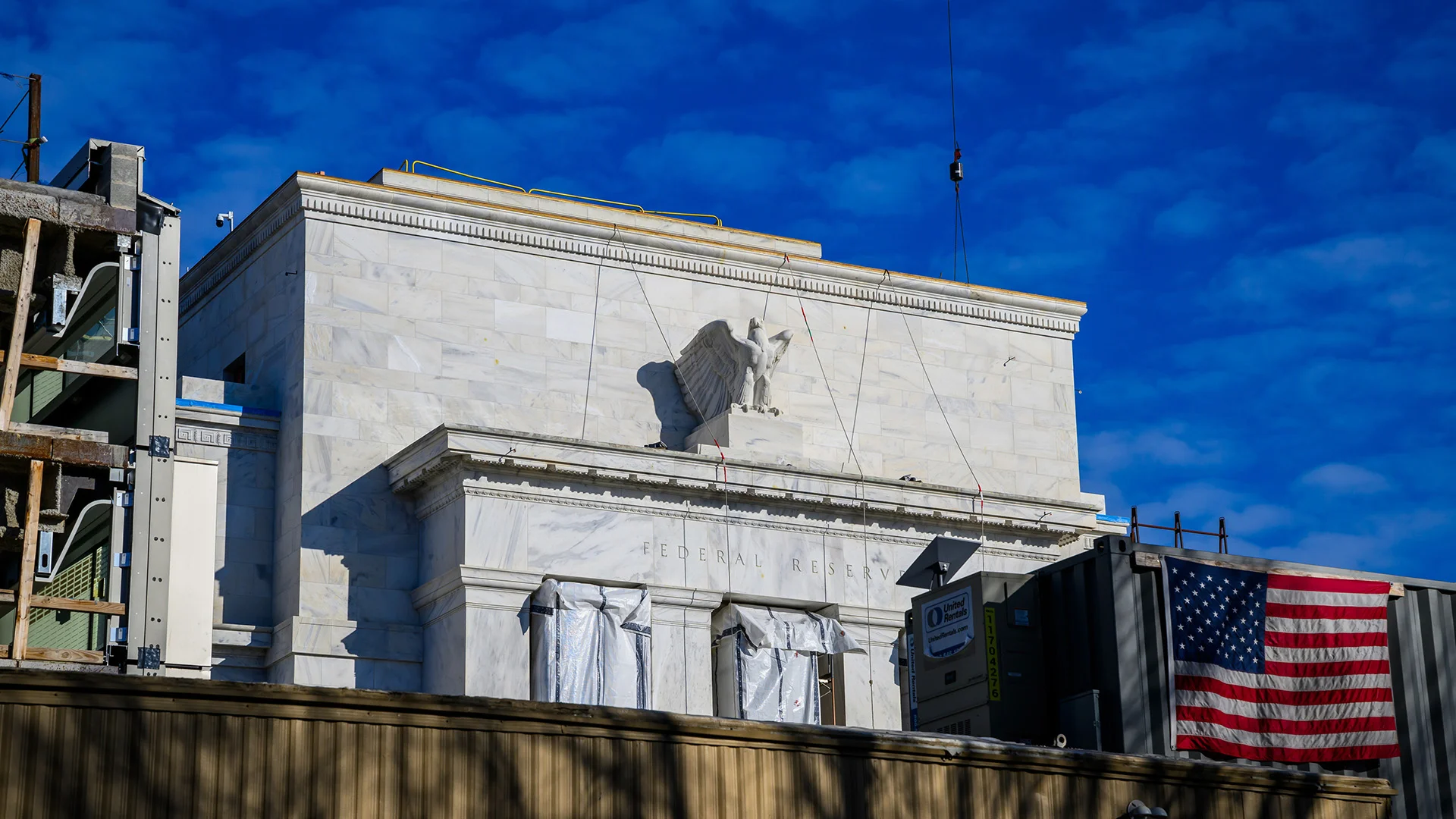
Photo by Inc
Key Takeaways:
- AI-related spending is nearing the trillion-dollar mark, drawing economic attention
- New York Fed President John Williams points to AI-driven demand as an inflationary risk
- Small-business owners could face higher costs and stiffer competition
- The Federal Reserve is adjusting its focus in response to AI’s impact
- Economic policy discussions increasingly revolve around AI’s role in business and inflation
The Rise of AI and Its Economic Impact
The trillion-dollar artificial intelligence buildout is more than just a tech headline—it’s poised to reshape the business landscape in profound ways. With new AI applications flooding the market, industries are investing heavily to stay at the forefront of innovation. This massive spending is fueling unprecedented demand for advanced software, data storage, and computing power.
What the Federal Reserve Is Watching
“The stakes are high for small-business owners,” notes a recent report on AI’s growing influence. New York Fed President John Williams has highlighted AI-driven demand as one of the potential inflation risks he is monitoring most closely. By tying AI’s expansion to broader economic indicators, the Federal Reserve is recognizing the mounting pressure on both product and labor markets, which can contribute to cost increases.
Small Businesses in the Crosshairs
While the largest corporations invest billions in cutting-edge AI, smaller enterprises are confronted with difficult choices. On one hand, technological advancements can streamline operations and unlock new opportunities. On the other, small-business owners must carefully watch expenses, interest rates, and competitive pricing that could be affected by rising innovation costs. As AI becomes more prevalent, these entrepreneurs risk being squeezed by higher operating costs and limited resources.
Charting the Road Ahead
Experts agree that the conversation regarding AI’s impact has just begun. With the Federal Reserve paying attention to inflation signals tied to AI demand, small-business owners may need to adjust strategies based on shifting interest rates and potential regulatory actions. As large-scale technology investments continue to expand, the full ramifications for Main Street remain to be seen—but the forces shaping the future of AI cannot be ignored.