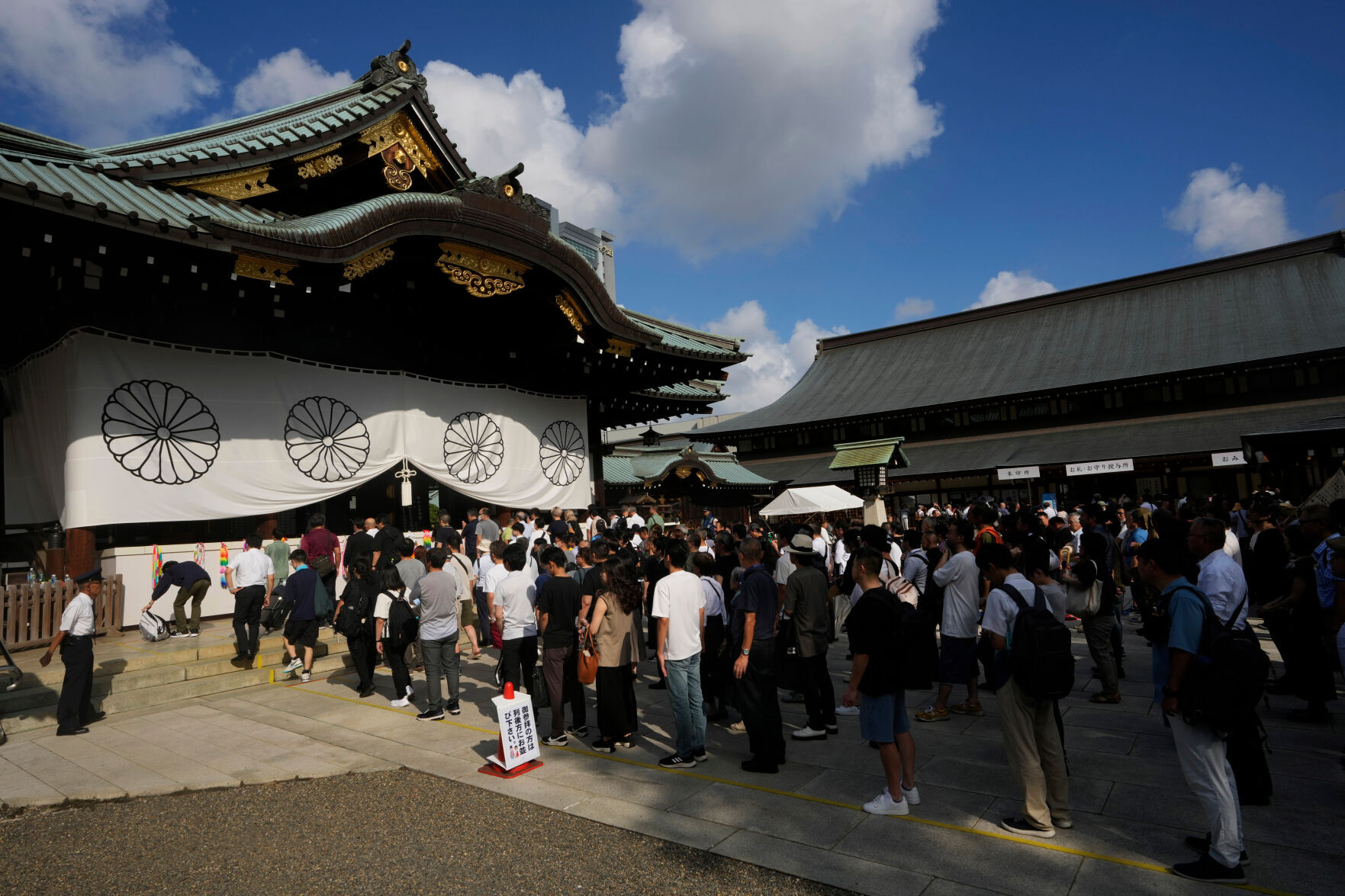
Throughout history, human civilizations have showcased their ingenuity and creativity through monumental constructions that continue to awe and inspire us today. These ancient engineering marvels not only demonstrate advanced understanding of architecture and engineering principles but also reflect the cultural and spiritual values of the societies that built them. From the intricate carvings of the Kailasa Temple in India to the colossal structure of the Great Wall of China, these edifices stand as testaments to human perseverance and innovation.
Subscribe
Ancient Civilizations
Engineering Marvels: How Ancient Civilizations Built Structures That Still Stand Today


Image: @shutterstock 2432172653
The Great Pyramid of Giza, Egypt
One of the most iconic structures in the world, the Great Pyramid of Giza was built over 4,500 years ago and remains an enduring symbol of ancient engineering prowess. Constructed as a tomb for Pharaoh Khufu, the pyramid is remarkable for its precise alignment with the cardinal points and its sheer scale. It is composed of approximately 2.3 million stone blocks, each weighing an average of 2.5 tons.
The methods used to transport and assemble these massive stones continue to be a subject of research and debate among historians and engineers. The Great Pyramid is notable for the mysterious mortar stronger than the stones themselves. Despite extensive analysis, the exact composition of this mortar remains unknown, adding to the pyramid’s enduring mystique.
The Great Wall of China
Spanning over 13,000 miles, the Great Wall of China is the longest man-made structure in the world. Originally commissioned by Emperor Qin Shi Huang around 221 BCE to protect the Chinese states against invasions, the wall was constructed over several centuries by subsequent dynasties. The construction techniques varied depending on the terrain and available materials, showcasing adaptability and resourcefulness.
Notably, the wall’s construction led to the deaths of an estimated one million people due to harsh working conditions, earning it the nickname “the longest cemetery in the world.” Despite this tragic history, the Great Wall stands today as a monumental achievement in engineering and a symbol of Chinese history and culture.
Stonehenge, England
Erected around 2500 BCE, Stonehenge is a prehistoric monument located in Wiltshire, England. Comprising a ring of standing stones, each weighing up to 30 tons, the construction of Stonehenge remains a subject of fascination. The transportation of these enormous stones over long distances without the aid of modern machinery is particularly intriguing.
Some theories suggest that the stones were moved using sledges and rafts, but the exact methods remain one of the enduring mysteries of ancient engineering. Stonehenge is believed to have served as an astronomical observatory or a site for religious ceremonies, reflecting the sophisticated understanding of astronomy by its builders.
The Kailasa Temple at Ellora, India
Carved directly out of a single rock face, the Kailasa Temple is one of the most astounding architectural feats in India. Located in the Ellora Caves, this temple was constructed in the 8th century CE and required the removal of over 200,000 tons of rock. The complex engineering techniques and meticulous planning involved in its creation highlight the artisans’ incredible skill and precision.
Dedicated to Lord Shiva, the temple is adorned with intricate carvings depicting scenes from Hindu mythology. Its construction from top to bottom demonstrates an advanced understanding of rock-cut architecture and engineering principles.
The Roman Colosseum, Italy
An enduring symbol of Ancient Rome, the Colosseum was completed in 80 CE and could hold up to 50,000 spectators. This massive amphitheater showcased the Romans’ advanced engineering skills, incorporating arches, vaults, and the use of concrete. The Colosseum also featured a complex system of pulleys and elevators to hoist animals and gladiators to the arena floor.
The Romans’ innovative use of concrete and understanding of load-bearing structures contributed to the Colosseum’s longevity. Despite suffering damage from earthquakes and stone robbers over the centuries, it remains a prominent tourist attraction and a testament to Roman engineering.
Leshan Giant Buddha, China
Standing at 71 meters high, the Leshan Giant Buddha is the largest carved stone Buddha in the world. Completed in 803 CE, it was carved out of a cliff face overlooking the confluence of three rivers in Sichuan Province. The statue was intended to calm the turbulent waters that plagued shipping vessels.
An ingenious drainage system was incorporated into the statue’s design to prevent weathering, demonstrating advanced knowledge of engineering and environmental management. This system includes hidden gutters and channels that divert rainwater away from vital areas, preserving the statue’s features over the centuries.
Mohenjo-Daro, Sindh, Pakistan
Dating back to around 2500 BCE, Mohenjo-Daro was one of the largest settlements of the ancient Indus Valley Civilization. The city was remarkable for its advanced urban planning and sophisticated water supply and sewerage systems. Buildings were constructed with standardized fired bricks, and the city featured public baths, drainage systems, and a grid layout.
The level of civil engineering and urban planning exhibited at Mohenjo-Daro was unparalleled in its time, revealing a highly organized society with concerns for hygiene and public welfare.
Chand Baori Stepwell, India
Built in the 10th century in the arid region of Rajasthan, the Chand Baori is one of the deepest and largest stepwells in the world. It comprises 3,500 narrow steps descending over 13 stories to a depth of about 30 meters. The stepwell served as a water reservoir and a communal gathering place, providing relief from the desert heat.
The geometric precision and symmetry of the stepwell are visually striking, and it stands as a fine example of the methods used by ancient peoples to manage water resources effectively.
Saksaywaman, Cusco, Peru
Constructed in the 15th century by the Incas, Saksaywaman is a fortress located on the northern outskirts of Cusco. It is renowned for its construction with massive stone blocks, some weighing up to 200 tons, that fit together without mortar. The precision with which these stones were cut and assembled is astounding, and the fortress has withstood numerous earthquakes over the centuries.
The Inca’s use of precisely interlocked boulders showcases their advanced knowledge of engineering and architecture. Saksaywaman not only served a defensive purpose but also played a significant role in Inca ceremonies and festivals.
Borobudur Temple, Indonesia
Located on the island of Java, Borobudur is the world’s largest Buddhist temple. Built in the 9th century during the Sailendra Dynasty, it consists of nine stacked platforms topped by a central dome, decorated with over 2,600 relief panels and 504 Buddha statues. The temple was constructed using interlocking volcanic stone blocks without the use of cement or mortar.
Borobudur’s design reflects a massive stone mandala and incorporates an advanced drainage system to manage the region’s heavy rainfall. Restored with the help of UNESCO from 1975 to 1982, it remains a significant pilgrimage site and a marvel of ancient engineering.
Conclusion
The engineering marvels of ancient civilizations continue to inspire awe and admiration, reminding us of humanity’s enduring quest to push the boundaries of what is possible. These structures are not merely remnants of the past but are living testimonies to the ingenuity, creativity, and determination of our ancestors. As we continue to study and preserve these monuments, we gain valuable insights into ancient engineering techniques and a deeper appreciation for the rich tapestry of human history.