Lindsay Clancy’s defense team accuses a judge of improperly addressing crucial jury instructions, causing unrest in a closely watched legal battle. Meanwhile, prosecutors are seeking to limit defense attorneys’ public statements about the case.
Subscribe
Analysis and Opinions
Breaking News
EXCLUSIVE: Lindsay Clancy’s Lawyers Accuse Judge of Mishandling ‘Critical’ Jury Warnings as Prosecutors Fight to Silence Defense
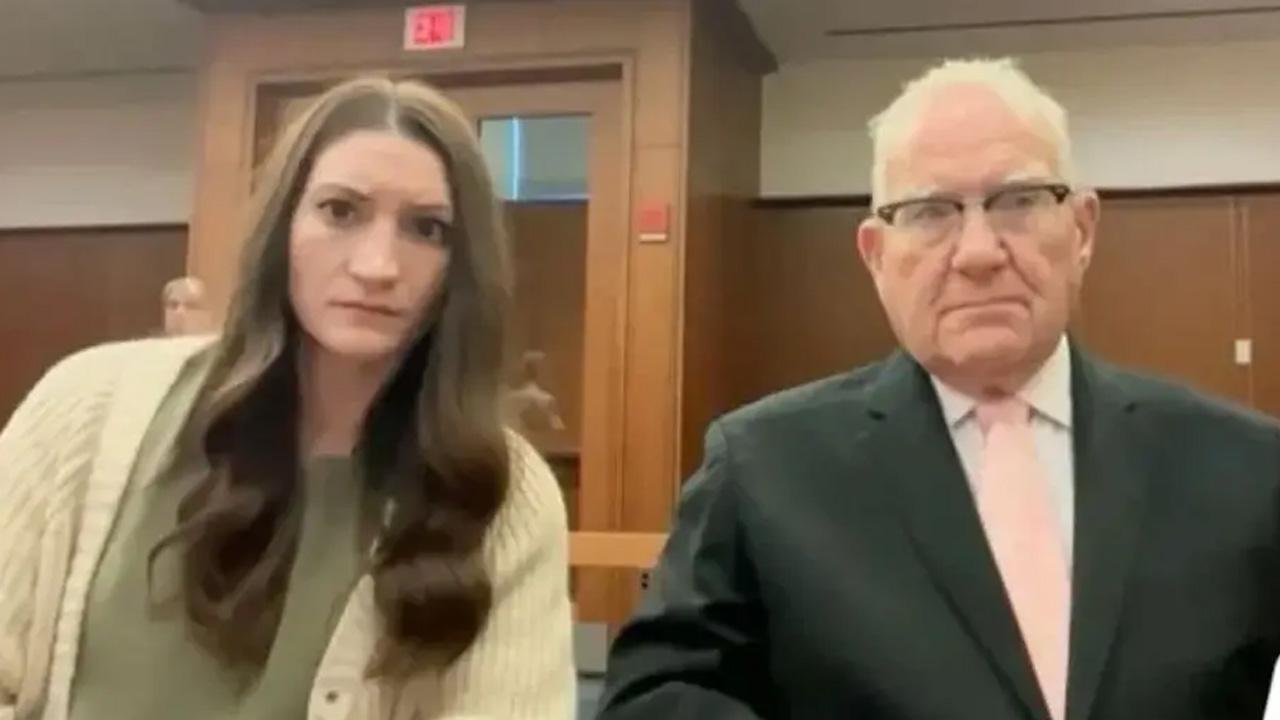
Photo by Radaronline
Key Takeaways:
- Defense alleges judge mishandled critical jury instructions
- Prosecutors move to curtail defense commentary in the media
- Article published on October 29, 2026, by Radaronline
- Story categorized under “crime” and “top” with a largely negative sentiment
- High-profile case drawing attention to courtroom procedure and press freedom
The Allegations Against the Judge
Lindsay Clancy’s legal team claims that the judge overseeing her case failed to properly handle what they describe as “critical” jury instructions. According to the defense, this oversight might compromise the fairness of her trial. These warnings, they argue, are central to ensuring jurors have the correct framework for determining guilt or innocence.
Prosecutors Seek to Limit Defense Media Statements
Amid the defense’s concerns, prosecutors have pushed to restrict Clancy’s attorneys from making public comments about the case. They have expressed apprehension that ongoing media coverage could influence public perception and potentially impact jurors. Their motion aims to strike a balance between transparency and safeguarding the integrity of the legal process.
Growing Tensions and Broader Implications
Observers note a clear tension between Clancy’s defense and the prosecution over the public’s right to information. While defense lawyers remain vocal about their worries concerning judicial procedure, prosecutors emphasize the risks of inflaming public opinion. The resulting standoff may have significant implications for how courts handle high-profile trials in the future.
A Case Under the Spotlight
Classified under “crime” and “top” categories by Radaronline, the Clancy case has attracted considerable attention. With reports indicating a strong negative sentiment surrounding the circumstances, both legal teams are aware of the trial’s intensity. As these opposing positions converge, the focus remains on how the court will address the alleged missteps and restrictions.
What’s Next
The defense’s accusations have cast a spotlight on the judicial process, raising questions about due process and the role of public scrutiny in high-profile cases. Meanwhile, the prosecution’s drive to limit extrajudicial commentary may shape how legal counsel navigates media relations going forward. As the case proceeds, these tensions bear close watch for legal scholars and the public alike.