Flagstaff has reached its first 90-degree mark of the year, but despite this heat milestone, the city shows only modest gains in overall rainfall. While the water-year total is slightly above average, the calendar-year total lags behind normal levels, leaving residents looking forward to much-needed rain in the forecast.
Subscribe
Breaking News
Flagstaff hits first 90-degree day as rain finally returns to the forecast

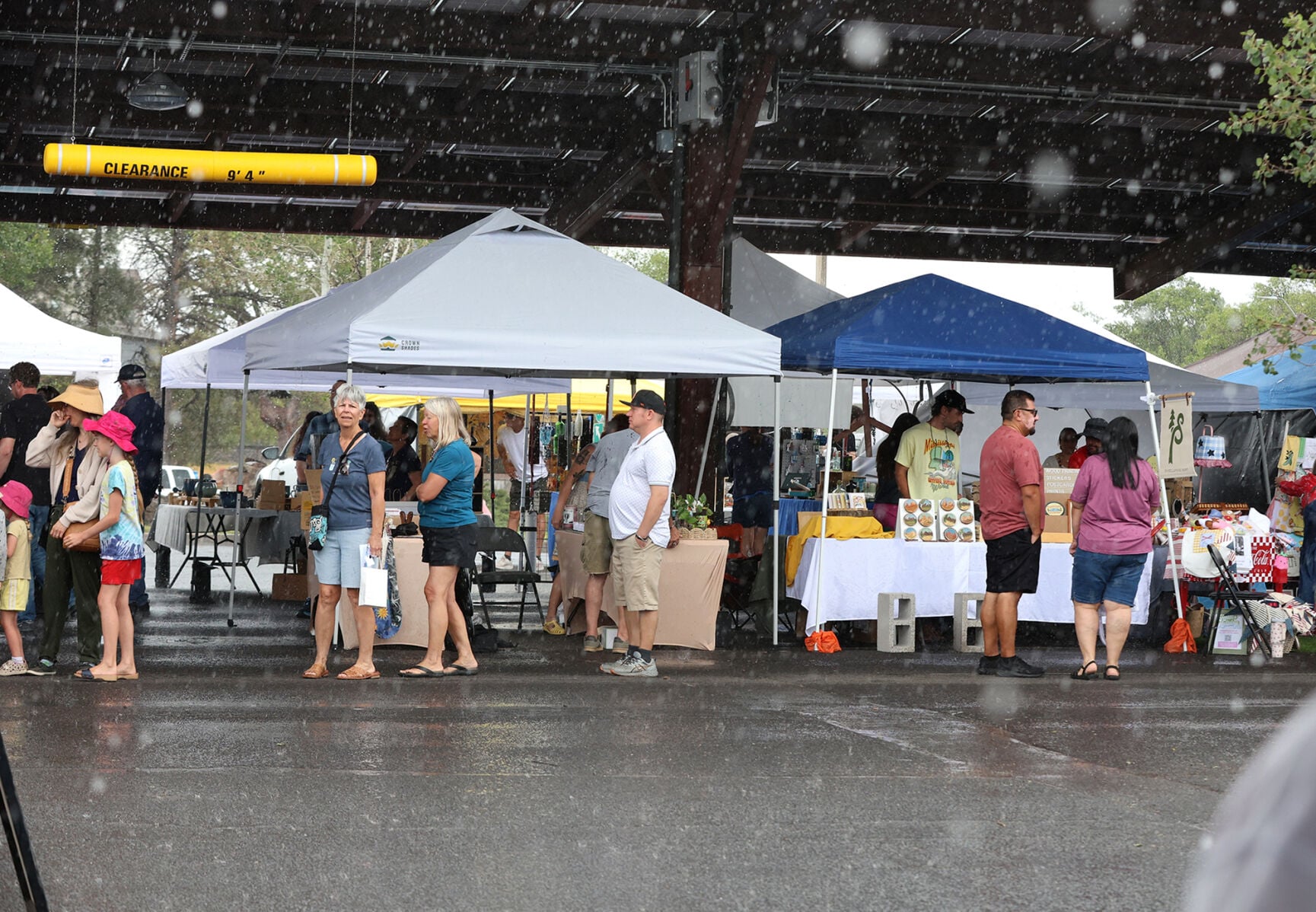
Photo by Arizona Daily Sun
Key Takeaways:
- Flagstaff recorded its first 90-degree day of the year.
- The water-year precipitation total of 13.67 inches is 0.21 inches above normal.
- Calendar-year rainfall of 4.49 inches is 4.00 inches below normal.
- Rain is expected to return to the forecast soon.
- Arizona Daily Sun originally provided this data.
A Notable Heat Milestone
Flagstaff experienced its first 90-degree day of the year according to local reports. It marks a significant juncture for a city perched at high elevation and known for comparatively moderate summers.
Water-Year Totals Above Normal
Even with the recent spike in temperatures, Flagstaff’s water year offers a silver lining. The city has tallied 13.67 inches of precipitation since the official start of the water year, placing it 0.21 inches above normal levels. This slight edge could prove beneficial for local ecosystems and water supplies.
Calendar-Year Deficit
Despite the positive water-year statistic, the broader calendar year tells a different story. Records show only 4.49 inches of precipitation for the current calendar year, leaving Flagstaff a full 4.00 inches below normal. This below-average figure underlines the region’s continued vulnerability to dry conditions.
The Promise of Rain
Local forecasts now suggest that much-needed rain may be on its way. In Flagstaff, monsoonal patterns can bring sudden bursts of moisture, offering relief from scorching temperatures and helping to mitigate wildfire risk. The return of rains could help improve the deficit seen in the calendar year totals.
Looking Ahead
As Flagstaff finds itself at the juncture of heat and hope, local meteorologists and residents alike keep a close eye on shifting conditions. While the exact impact of incoming storms remains to be seen, any increase in rainfall may bolster the city’s water security and help close the gap on this year’s precipitation shortfall.