A new independent audit indicates the Social Security Administration dramatically cut phone wait times from 30 minutes to just 7. After years of complaints about crowded offices and long holds, this update hints at a major shift in how millions of Americans access critical public services.
Subscribe
Analysis and Opinions
Breaking News
From 30 Minutes to 7: Inside Social Security’s Quiet Service Turnaround


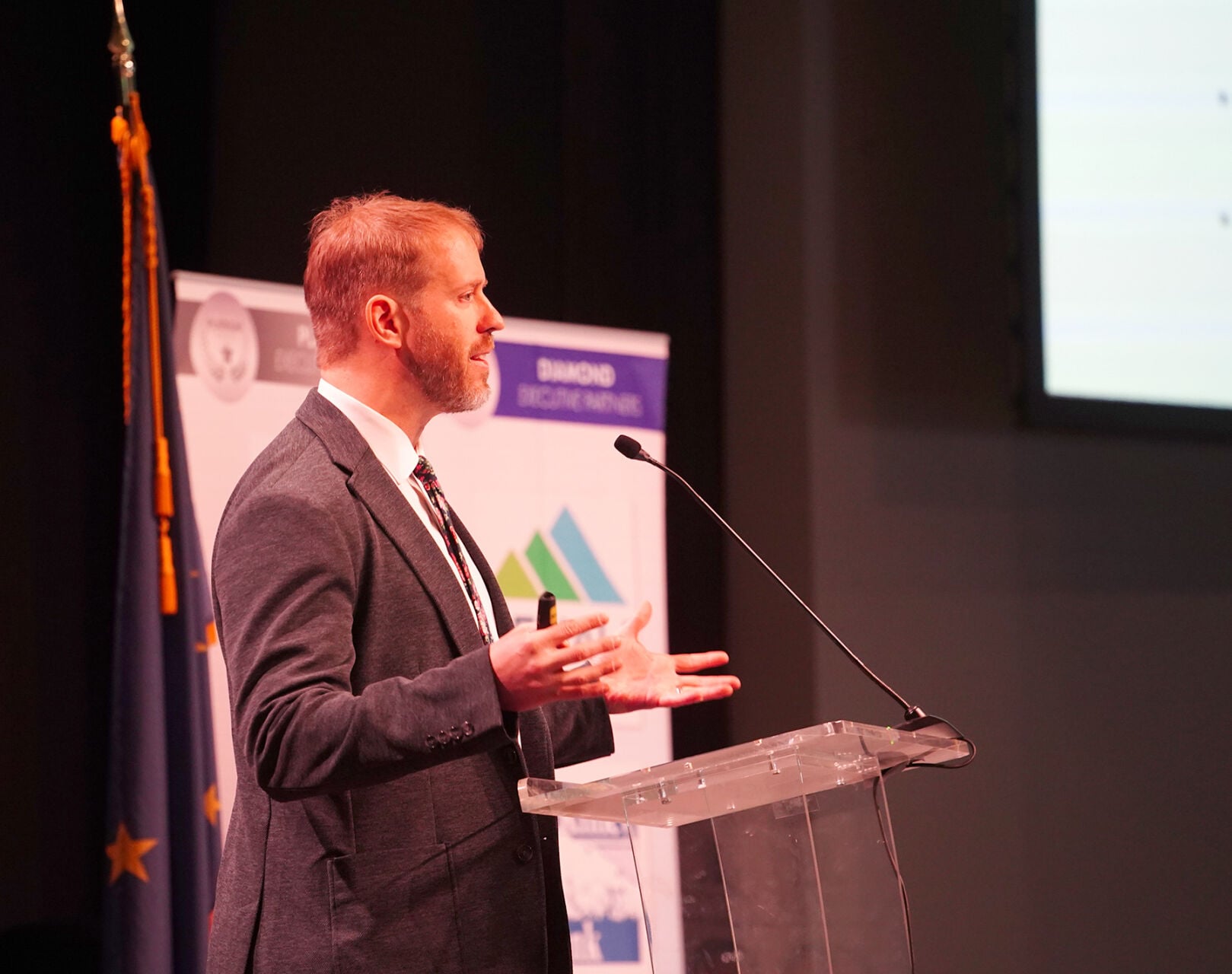
Photo by Mychesco
Key Takeaways:
- The Social Security Administration reportedly reduced average hold times from 30 minutes to 7 minutes.
- Complaints about “endless hold times” and field office congestion had previously plagued the agency.
- An independent audit confirmed the turnaround, underscoring a data-driven improvement.
- The changes are particularly noted at SSA offices in Baltimore, MD, reflecting national implications.
- This development may influence how millions of Americans interact with Social Security services.
Background on Complaints
For years, the Social Security Administration (SSA) faced a barrage of criticisms about long hold times, sometimes stretching to 30 minutes or more. Field offices, particularly in Baltimore, MD, also saw crowds and an overwhelming volume of requests, a source of frustration for many.
The Independent Audit
A new independent audit now offers insight into what officials call a “dramatic” turnaround. By reviewing operational metrics and phone service logs, the audit points to clear indications of improvement within the SSA’s customer service infrastructure.
Service Turnaround
Evidence of this shift is captured in a marked reduction in average phone wait times—from half an hour down to just seven minutes. “After years of complaints about endless hold times and clogged field offices, a new independent audit suggests the Social Security Administration pulled off a dramatic—and welcome—change,” the feed reports.
Implications for the Public
The transition to shorter call queues may not only bolster the agency’s public perception but also restore confidence among beneficiaries. Less time on hold can translate to more efficient handling of inquiries, benefit applications, and assistance—providing timely relief for those who depend on Social Security services.
Moving Forward
While the audit offers encouraging news, the sustainability of these improvements may shape public opinion of the SSA in the coming years. For millions of Americans relying on benefits, each minute shaved off traumatic wait times can make a meaningful difference. As the agency continues to hone its processes, stakeholders will be watching to see if this swift turnaround marks the start of a new era for the SSA.