Google’s first-ever data center satellite is now live in orbit, running a Google DeepMind Gemma 4 model on a specially deployed TPU. Its most unexpected feature? Crafting “cheesy” poetry from the depths of space, signaling an ambitious leap forward for AI beyond Earth.
Subscribe
Generative AI
Space Technology
Google’s first data center satellite is online and writing poetry

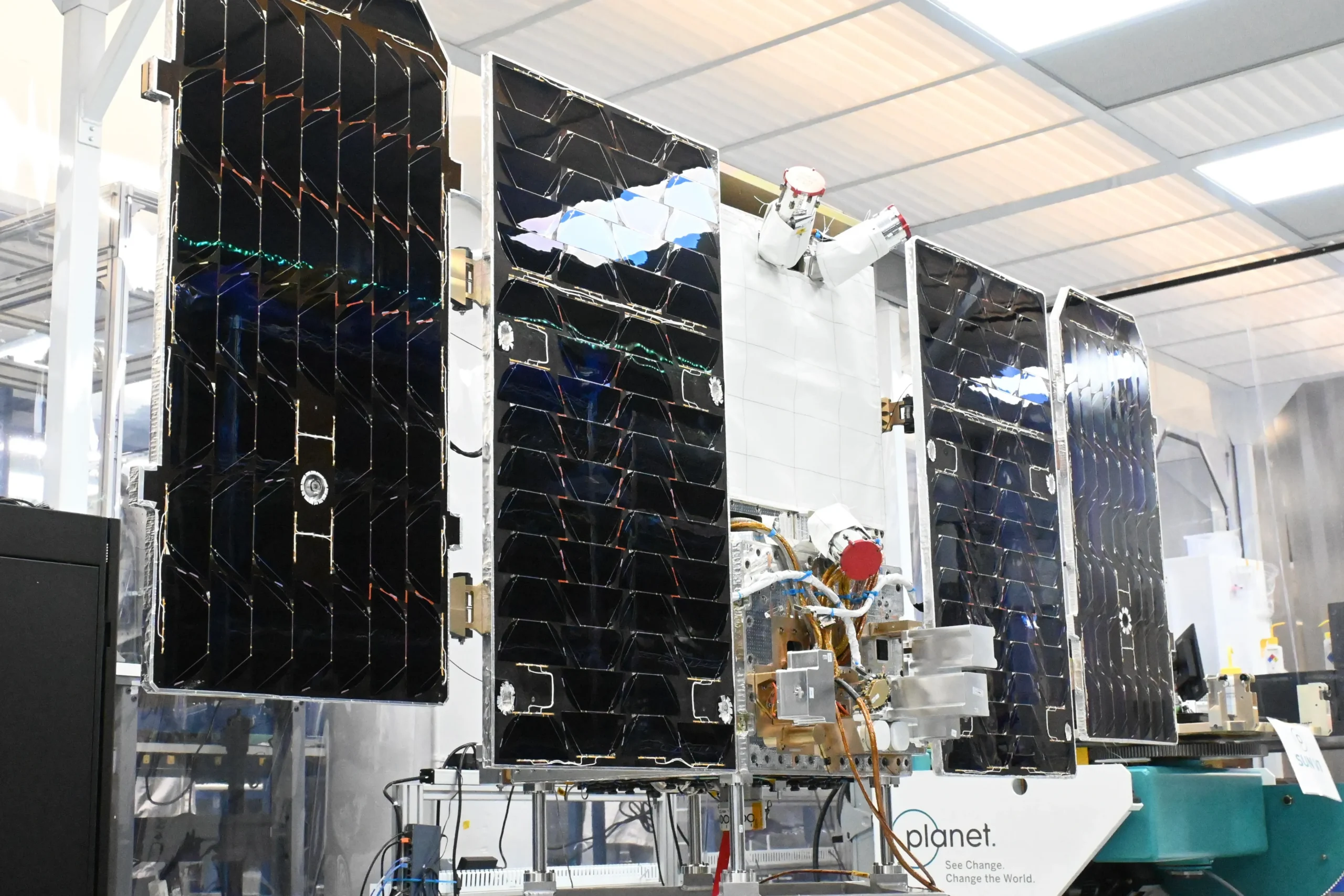
Photo by Tech Crunch
Key Takeaways:
- Google’s first data center satellite is operational in orbit.
- It carries the first TPU ever launched into space.
- This TPU runs the Google DeepMind Gemma 4 AI model.
- The AI is writing “cheesy” poetry from space.
- The development has received predominantly positive feedback.
Breaking New Ground in Space
Google’s recent launch of its first data center satellite has captured global attention, marking an unprecedented step for one of the world’s leading technology companies. This new orbital hub marries advanced computing with cosmic aspirations, showing just how far AI innovation can go—quite literally—which is already raising eyebrows and stirring excitement.
The First TPU Goes Above and Beyond
A key feature of Google’s space outpost is a specialized Tensor Processing Unit (TPU), uniquely adapted for off-planet operation. TPUs are specifically engineered to tackle the most complex artificial intelligence computations, from image recognition to natural language processing. In making this data center truly space-faring, Google hopes to prove that such hardware, typically bound by Earth’s limitations, can flourish in microgravity.
Enter Gemma 4: The AI Behind the Poetry
At the helm of this process is Google DeepMind’s Gemma 4, an AI model that goes beyond mundane data analysis. Its repertoire includes generating verses described by some insiders as “cheesy” poetry—evidence that AI can be whimsical as well as powerful. It’s a sign that the line between creative expression and computational capability is fading, even in orbit.
Implications for AI and Future Exploration
By launching an orbital data center, Google signals a conviction that space could become the next frontier for data storage and analytics. With satellites like this one able to process and analyze vast quantities of information, the real-time insights they provide may revolutionize research, communication, and beyond.
Public Reception and What’s Next
With an 82.34% positive sentiment rating, it’s clear that the public and stakeholders are eager to see how Google’s cosmic venture will reshape our understanding of AI in space. This successful deployment suggests other companies might soon follow suit, contributing to a new era where terrestrial limitations no longer confine cutting-edge technology.