John Quincy Adams served one term in the White House before returning to politics as a determined congressman. His willingness to champion anti-slavery petitions—even in the face of fierce opposition—highlights the capable yet often contentious workings of Congress.
Subscribe
Analysis and Opinions
Political Movements
How John Quincy Adams went from president to maverick

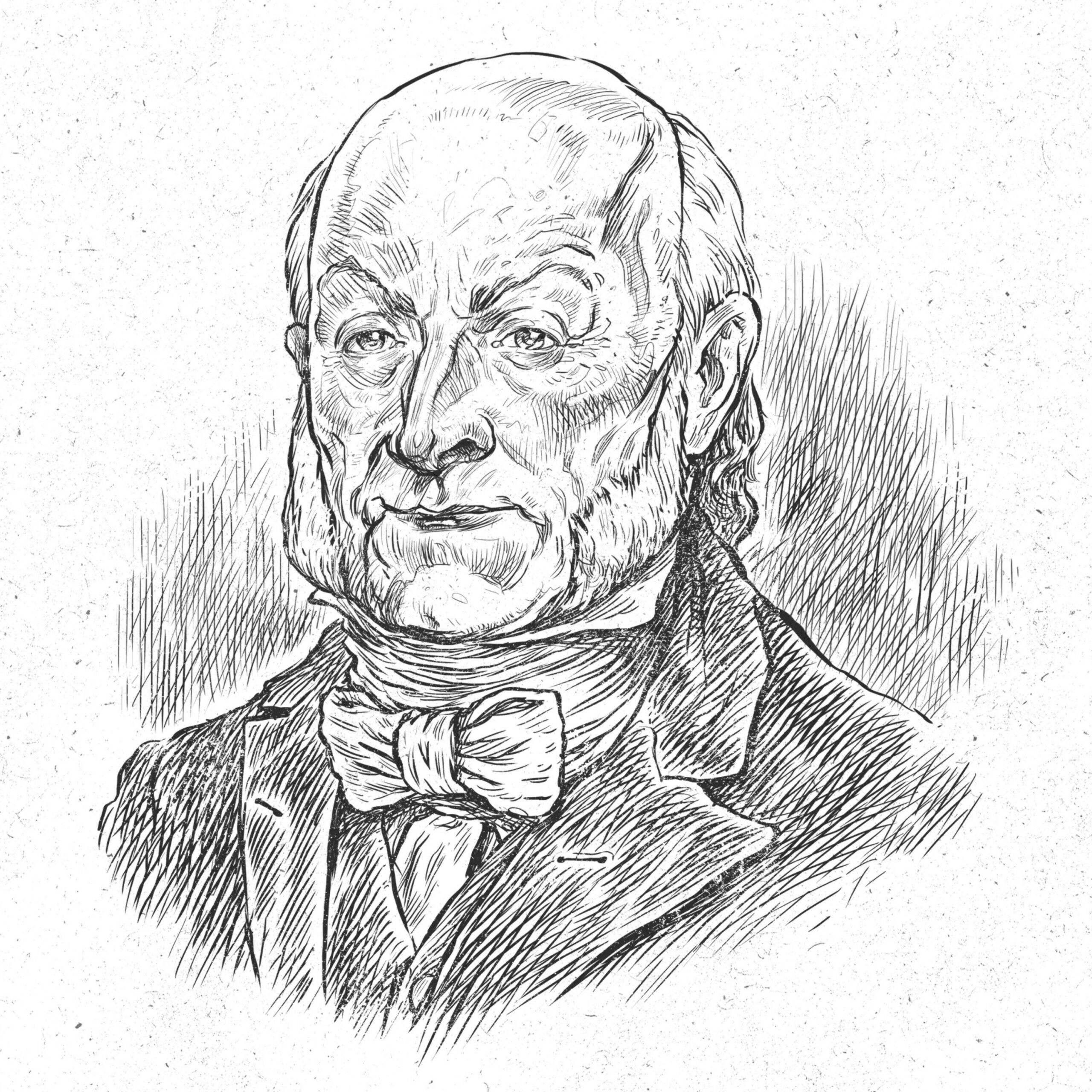
Photo by Wbur
Key Takeaways:
- John Quincy Adams was a one-term president.
- After his presidency, he joined Congress to continue public service.
- He presented numerous anti-slavery petitions.
- Southern congressmen opposed his petitions vigorously.
- His story shows how major issues can drive debate in Congress.
A Time in the White House
John Quincy Adams served the United States as a one-term president. Although his presidency lasted only four years, it shaped his views on the nation’s political and moral direction.
A Return to Public Office
Adams did not end his political career after leaving the White House. Instead, he entered Congress, where he developed a reputation for addressing controversial topics head-on. In particular, he threw his energy behind opposing slavery, an institution he believed ran counter to the nation’s founding ideals.
Championing Anti-Slavery Petitions
From the moment he took his seat in the House of Representatives, Adams received and presented countless anti-slavery petitions. Many of these came from citizens outraged by the practice of slavery. Adams’s unwavering dedication to bringing these petitions before Congress enraged Southern lawmakers, who felt profoundly threatened by the prospect of national debate on the subject.
A Clash in Congress
The Southern congressmen’s discomfort quickly turned to hostility. Some, frustrated by the sheer number of petitions Adams introduced, banded together to silence him. They wanted him out—arguing that his continuous focus on abolitionist causes disrupted the House’s proceedings. In doing so, they inadvertently highlighted how a single, determined representative can command attention to pressing social issues.
How Congress Can Work
Ultimately, John Quincy Adams’s fight over anti-slavery petitions showed both the strengths and the tensions inherent in the U.S. legislative system. While some in Congress sought to muzzle him, others recognized the value of open debate. The struggle underscored that a voice of dissent—even one in the minority—can rally public support and shift the terms of national conversation.
Adams’s story still resonates in modern politics, reminding us that the ability to introduce controversial issues—and to keep them in the public eye—is a crucial part of what makes Congress work.