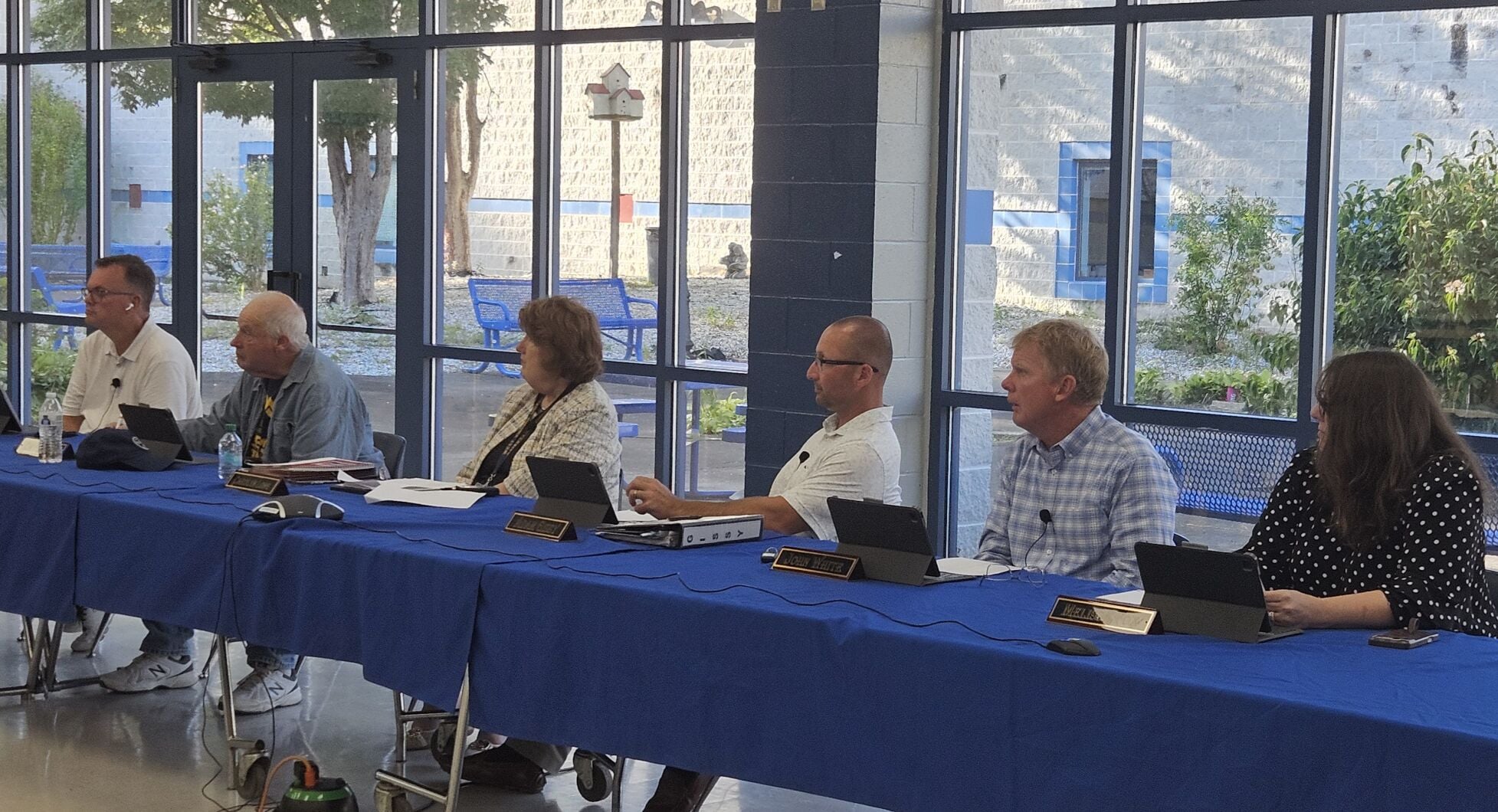
As raw milk gains renewed popularity, Minnesota’s food safety network remains vigilant against potential health threats. Public health agencies, including the Minnesota Department of Agriculture and the Minnesota Department of Health, collaborate closely with “Team Diarrhea,” a group of student investigators who track foodborne illnesses, ensuring consumer protection across the state.
Subscribe
Infectious Diseases
Safe Practices
In a raw-milk-is-trendy era, Minnesota’s food safety system is on guard

Key Takeaways:
- Minnesota’s food safety infrastructure is bolstered by collaboration between both state agriculture and health agencies.
- Raw milk’s resurgence has sparked concerns about potential health risks.
- “Team Diarrhea,” a group of public health students, plays a prominent role in investigating foodborne illnesses.
- A robust surveillance system helps keep consumers safe from contaminated products.
- Inter-agency cooperation is key to effectively monitoring and controlling outbreaks.
The Growing Trend of Raw Milk Consumption
Raw milk has experienced a resurgence in popularity, championed by consumers who believe in its purported health benefits. However, this trend raises concerns over potential exposure to harmful bacteria, underscoring the importance of reliable safety regulations.
A Strong Statewide Collaboration
In Minnesota, food safety oversight is the responsibility of two key state agencies: the Minnesota Department of Agriculture (MDA) and the Minnesota Department of Health (MDH). Together, they form a robust network designed to protect the public from foodborne illnesses. This partnership helps ensure that any threats tied to foods—especially those posing higher risks like raw milk—are identified and addressed.
The Role of “Team Diarrhea”
Among the state’s frontline defenders is a group of public health students known as “Team Diarrhea.” These students work diligently to monitor, track, and investigate possible causes of illness. Their efforts help authorities quickly pinpoint and contain outbreaks, providing crucial data about which pathogens are circulating.
Vigilance in Times of Change
As consumer habits evolve, Minnesota’s food safety system adapts accordingly. With raw milk surging in popularity, both MDA and MDH emphasize the importance of regular inspections, rapid detection of contamination, and transparency in public health advisories. These steps help safeguard the public by ensuring that potential outbreaks are identified before they can spread.
Looking Ahead
Minnesota’s approach underscores the state’s ongoing commitment to protecting consumers. By combining the expertise of state agencies and the diligence of groups like “Team Diarrhea,” the state has built a resilient food safety framework. As raw milk interest continues, this robust network stands ready to adapt, ensuring that Minnesotans can trust the food and beverages they consume.