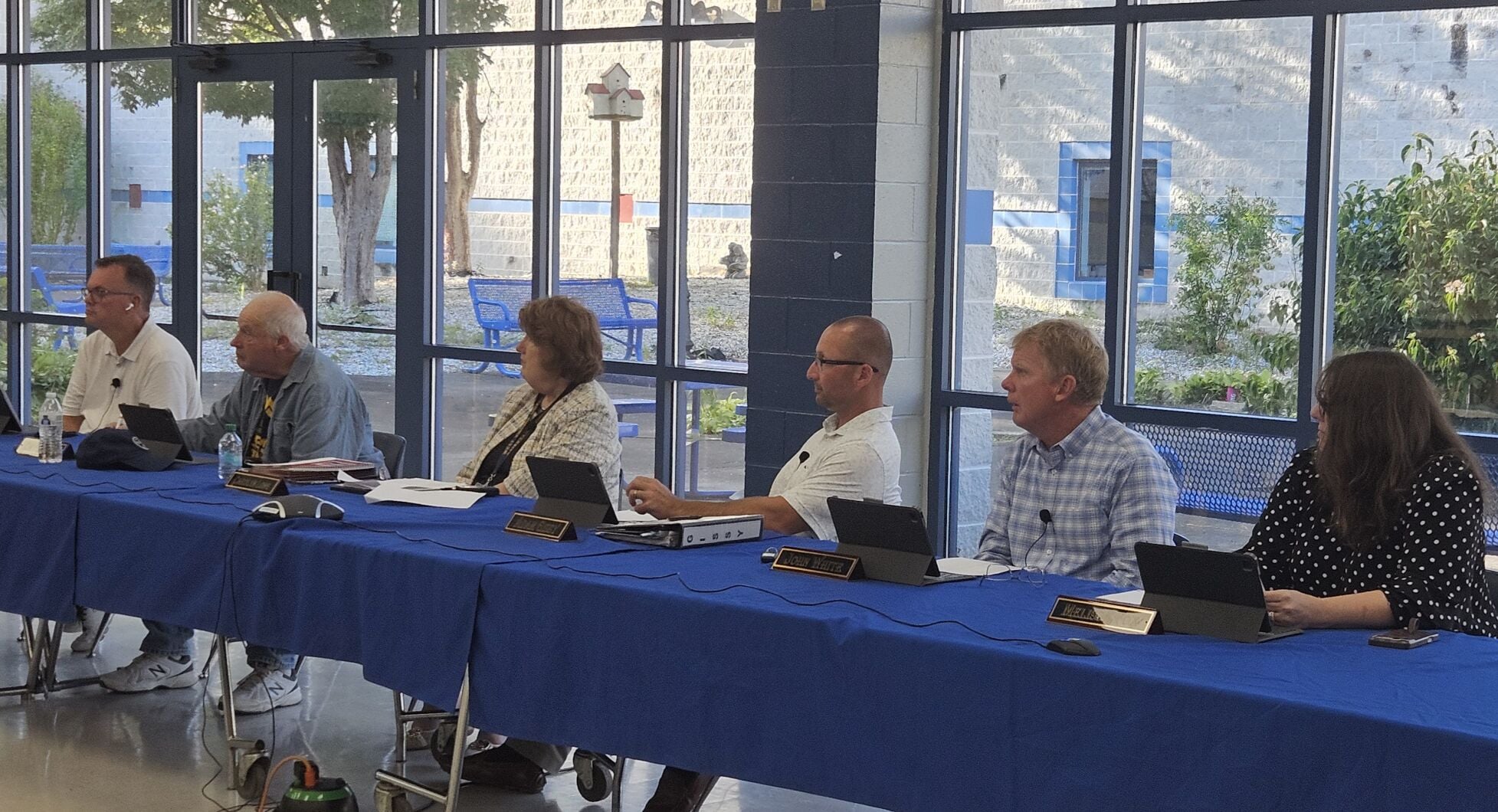
Nelson City Council took important steps toward achieving Step Code four for local construction this week. By passing the first two readings of Building Bylaw amendments, the council signaled a strong commitment to reducing carbon emissions and fostering sustainable building practices.
Subscribe
Climate Change Policies
Environmental Laws
Green Energy Solutions
Nelson sets sights for building sites on energy step code four by year’s end (Nelson)

Key Takeaways:
- Nelson is actively pursuing Step Code four for higher energy efficiency.
- Initial Building Bylaw amendments have passed two readings.
- The city’s ultimate goal is a zero-carbon future in its building sector.
- Progress was confirmed at a regular council meeting on Tuesday night.
- Nelson aims to meet these standards by the end of the year.
Nelson’s Vision for Greener Building
Nelson sets its sights on implementing Step Code four by year’s end, reflecting the city’s dedication to reducing carbon emissions in the local construction industry. According to the council, this shift marks a critical move in creating a zero-carbon world for the building sector.
Passing the First Two Readings
On Tuesday night, the city council passed the first two readings of amendments to the Building Bylaw. This formal action is a clear indication of Nelson’s intent to fortify energy standards and boost efficiency requirements. While further readings remain, these initial steps have laid the groundwork for increasingly rigorous rules aimed at transforming local construction practices.
Toward a Zero-Carbon Future
Council members view this approach as part of a broader environmental roadmap. The ambition to achieve Step Code four is closely tied to Nelson’s overall sustainability plans, which focus on curbing emissions and setting an example for other municipalities. The city’s leadership emphasizes that guiding new building projects toward higher energy efficiency is essential in meeting these objectives.
Implications for the Community
Reaching Step Code four by the end of the year means builders in Nelson will soon operate under updated, more stringent energy standards. This move is expected to scale down carbon footprints and promote sustainable development. In turn, the bylaws represent both a challenge and an opportunity for local businesses and contractors to adapt to greener construction practices, ultimately serving the community’s push toward a zero-carbon future.