Oil refiners have stumbled into one of the most profitable environments in recent memory. Although crude prices have fallen back to where they stood before the Iran war, the costs of gasoline, diesel, and jet fuel remain notably high—pushing refining margins to record levels.
Subscribe
Analysis and Opinions
Breaking News
Oil Refiners Are Cashing In on a Market That Won’t Stay Broken

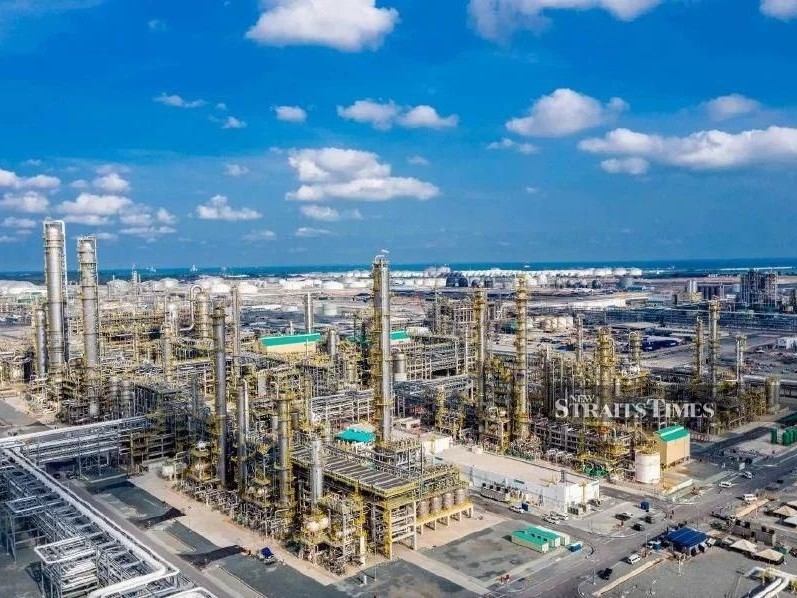
Photo by Oil Price
Key Takeaways:
- Oil refiners are experiencing an unexpected profit windfall.
- Crude prices have stabilized at pre-Iran war levels.
- Gasoline, diesel, and jet fuel remain stubbornly expensive.
- The U.S. 3-2-1 crack spread recently climbed above $60 per barrel.
- Refiners are benefiting from the reopened Strait of Hormuz sooner than anticipated.
Refiners in a Surprising Boom
Oil refiners have found themselves in an unusually profitable situation. According to recent data, crude prices have returned to the levels they traded at before the Iran war erupted, yet gasoline, diesel, and jet fuel remain surprisingly expensive. This shift has created what some industry observers describe as one of the best refining profit environments in years.
Crude Slump, Fuel Prices High
While crude oil markets stabilized, retail consumers have continued to pay dearly for products like gasoline and diesel. The unexpected discrepancy has widened profit margins for refiners, particularly those who anticipated a dip in consumer demand or a corresponding decline in fuel prices. Instead, the strong demand for refined products, combined with supply concerns, kept prices elevated.
Record-Breaking Crack Spread
Central to refiners’ profitability is the U.S. 3-2-1 crack spread, a key measure of margins that tracks the difference between the cost of crude oil and the market prices of gasoline and diesel. This figure recently climbed above $60 per barrel, the highest reading on record. In practical terms, it means that refining companies are enjoying far higher returns on each barrel of oil processed than they predicted just a few weeks ago.
Post-Strait of Hormuz Environment
The rapid reopening of the Strait of Hormuz contributed to the current state of oil markets. Many analysts expected extended disruptions to shipping routes, but tensions eased sooner than anticipated. As a result, crude supplies normalized quickly, yet refined products have not followed suit by dropping in price, leaving many refiners in a strengthened financial position.
Future Outlook
While no market condition remains static forever, refiners continue to benefit from this rare alignment of low crude costs and stubbornly high fuel prices. Industry analysts suggest that margins could adjust if fuel demand changes or new developments arise in the oil market. For now, however, refiners are cashing in on a broken market that shows few signs of returning to normal levels in the immediate term.











