Plastic pollution in our oceans has escalated into a global environmental crisis, posing severe threats to marine ecosystems and human health. The ever-increasing production and disposal of plastic materials have led to an overwhelming accumulation of debris in marine environments, with dire consequences for sea life and the planet as a whole.
Subscribe
Plastic Waste
Ocean Plastic: The True Scale of Marine Pollution and Its Impact on Sea Life

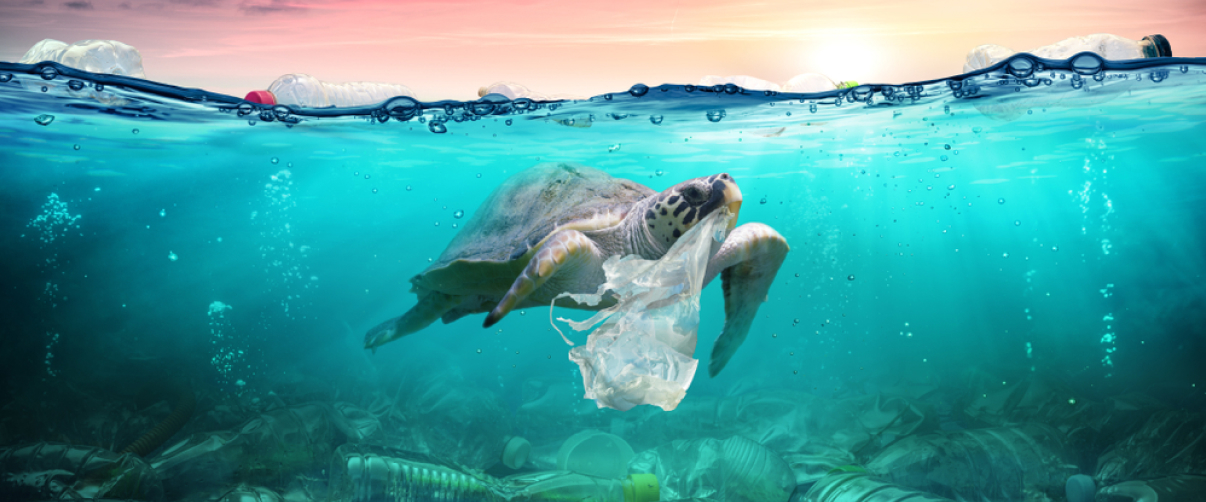
Image: @shutterstock 1319481236
The Alarming Scale of Ocean Plastic Pollution
Every year, an estimated 13 million metric tons of plastic waste enter the oceans, a figure that’s projected to increase dramatically if current trends continue. By 2050, it’s anticipated that ocean plastics could outweigh all the fish in the sea if significant actions aren’t taken to curb this influx. Vast accumulations of plastic debris, such as the Great Pacific Garbage Patch—which is twice the size of Texas—serve as stark reminders of the magnitude of this problem. In certain areas, the mass of plastic exceeds that of marine life by 180 times.
Devastating Impacts on Marine Life
Marine animals are suffering immensely due to plastic pollution. Over 100 million marine animals die each year from entanglement or ingestion of plastic waste. Sea turtles, seabirds, seals, and countless other species mistake plastic items for food or become ensnared in debris, leading to injury or death. Alarmingly, it’s estimated that by 2050, nearly all seabird species will have ingested plastic. The ingestion of microplastics not only affects the health of marine creatures but also disrupts entire ecosystems and food chains.
Moreover, corals are at a significantly higher risk of disease upon contact with plastic, threatening the biodiversity of these vital marine habitats. Plastic pollution affects 914 marine species, including those listed as threatened by the International Union for Conservation of Nature.
Economic and Human Health Consequences
The ramifications of ocean plastic pollution extend beyond environmental concerns, impacting economies and human health. The economic cost is estimated at $19 billion annually, affecting sectors such as tourism, fisheries, and governments tasked with cleanup efforts. Microplastics have infiltrated the food chain, raising concerns about the potential health impacts on humans who consume seafood. The presence of plastics in our oceans can lead to contamination of water supplies and seafood, posing risks of various diseases.
Causes of the Crisis
A significant portion of ocean plastic originates from land-based sources due to improper waste disposal and inadequate waste management systems. In many middle-income countries, there is a lack of efficient waste processing, leading to substantial amounts of plastic entering rivers and, subsequently, oceans. Massive quantities of plastic are entering marine environments during heavy rains and storms when trash is swept into waterways.
Five countries—China, Indonesia, the Philippines, Vietnam, and Sri Lanka—contribute to 60% of the marine plastic pollution, largely due to rapid industrialization and insufficient waste management infrastructure. The fossil fuel industry’s plan to increase plastic production by 40% in the next decade exacerbates the problem, with new petrochemical plants slated to boost plastic output significantly.
Initiatives and Solutions
Addressing ocean plastic pollution requires a multifaceted approach focused on prevention and cleanup. Organizations like The Ocean Cleanup are developing technological solutions to remove plastics from the ocean and intercept waste in rivers before it reaches marine environments. Global efforts are underway, including commitments by over sixty countries to reduce disposable plastic usage and a resolution by 175 UN countries in 2022 for a legally binding agreement.
There’s a pressing need for improved waste management systems worldwide, particularly in countries with high levels of plastic emissions. Reducing the use of single-use plastics, enhancing recycling processes, and designing products with sustainability in mind are critical steps toward mitigating this crisis.
Individuals can contribute by adopting more sustainable habits, such as using reusable items, avoiding products with excessive plastic packaging, and participating in local clean-up efforts. Supporting legislation aimed at reducing plastic production and encouraging innovation in biodegradable materials can also make a significant impact.
Conclusion
Ocean plastic pollution is a monumental threat to marine life, human health, and the global economy. The scale of the problem necessitates immediate and concerted action from governments, organizations, and individuals alike. By acknowledging the true extent of marine pollution and taking proactive steps, we can work towards restoring the health of our oceans and preserving them for future generations.