Illinois trails the nation in several key economic measures, prompting two leaders to propose very different solutions. While Pritzker emphasizes incentives and recent fiscal gains, Bailey insists on cutting taxes and spending. Their competing visions highlight a stark economic divide for the state’s future.
Subscribe
Analysis and Opinions
Policy Analysis
On economic development, Pritzker, Bailey are miles apart

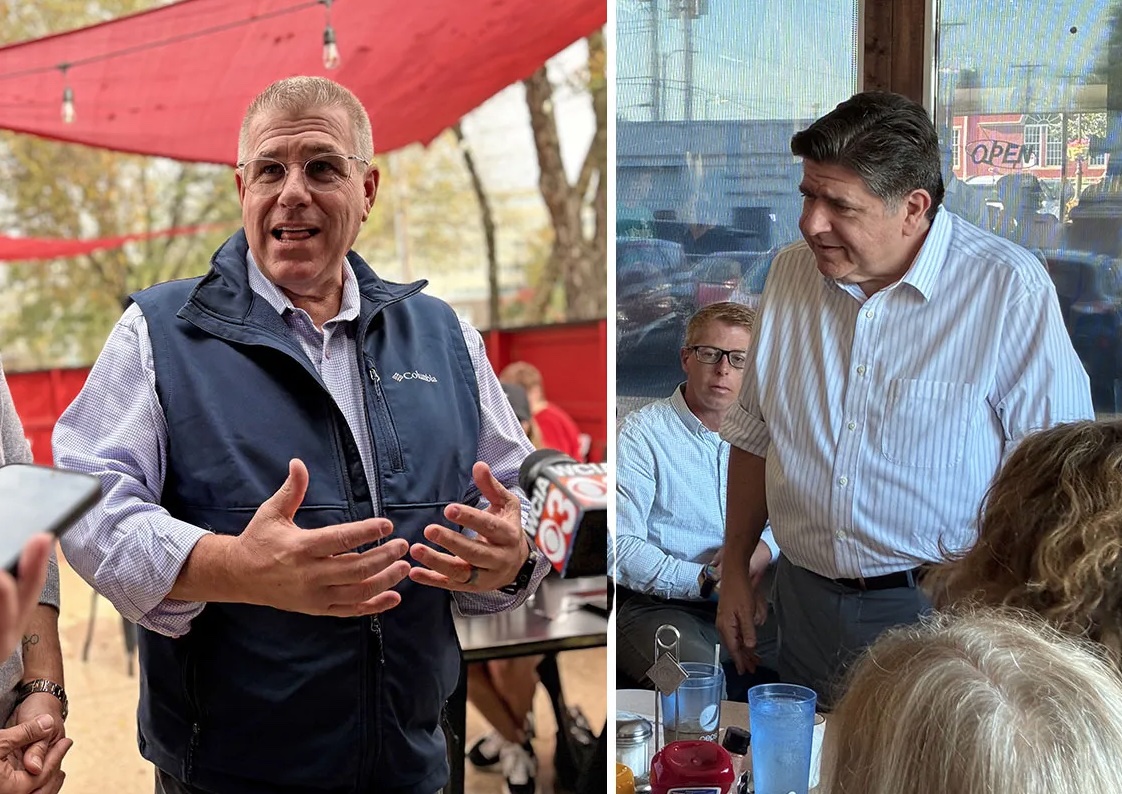
Photo by The Breeze-courier
Key Takeaways:
- Pritzker’s primary focus lies in offering incentives and touting fiscal gains.
- Bailey strongly advocates for tax and spending cuts.
- Illinois continues to trail behind national economic indicators.
- The debate underscores a deep divide in how to drive the state’s economic development.
The Economic Divide in Illinois
Illinois finds itself at a juncture where its economic performance is lagging behind national benchmarks. Two key figures—Pritzker and Bailey—are vying to address this challenge, but their proposals diverge sharply. The approaches they offer underscore a divide in the strategies that could shape the state’s future growth.
Pritzker’s Incentive-Based Approach
According to the original report, Pritzker touts “incentives and fiscal gains” as vital tools for stimulating economic growth in the state. Supporters of this perspective believe that strategic investments and targeted programs can position Illinois for progress, attracting businesses and fueling job creation.
Bailey’s Call for Cuts
Meanwhile, Bailey calls for “tax and spending cuts,” expressing the concern that the state’s fiscal constraints demand greater caution in government expenditures. By emphasizing leaner budgets, Bailey’s approach highlights the need to reduce state costs as a way to promote economic stability and competitiveness.
Gauging Statewide Impact
Illinois’ struggle to keep up with broader economic indicators underscores the importance of the choices ahead. As residents watch for signs of sustained progress, the debate focuses on balancing short-term fiscal strategies with long-term investment in growth. The two economic visions reveal a stark divide, challenging Illinois to decide which path will lead to a more prosperous future.