Colorado’s taxpayer-funded preschool program is at the center of a Supreme Court case, as Catholic institutions seek the right to participate while promoting their religious hiring and admissions criteria. The legal dispute highlights the balance between religious freedom and state anti-discrimination rules.
Subscribe
Analysis and Opinions
Breaking News
Policy Analysis
Supreme Court hears Catholic plea to participate in Colorado preschool program

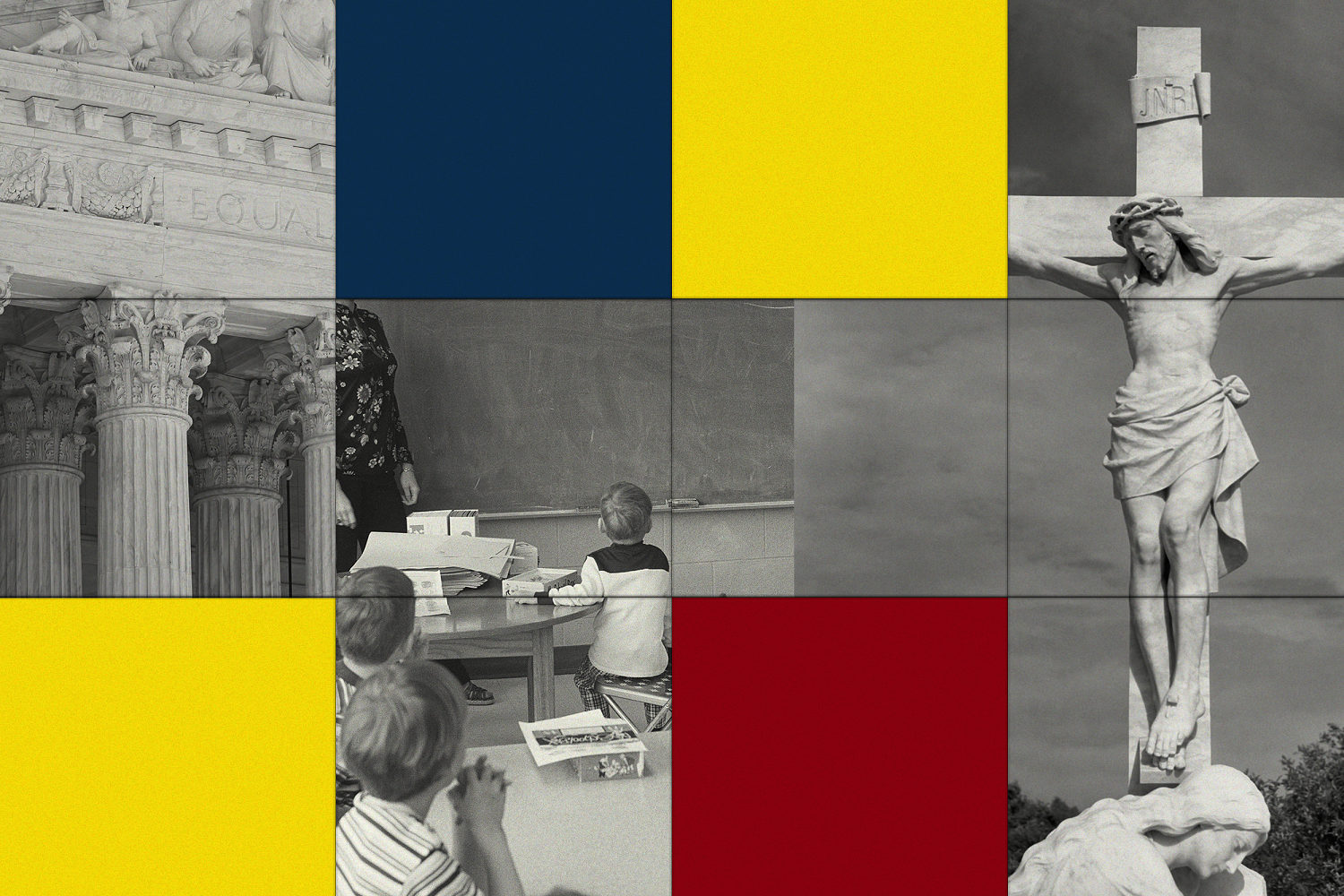
Photo by Nbc News
Key Takeaways:
- The Supreme Court is hearing a case on Catholic preschools seeking exemptions from Colorado’s anti-discrimination laws.
- The schools wish to adhere to religious-based standards for hiring and admissions while still receiving public funds.
- Colorado’s preschool program is taxpayer-funded and includes non-discrimination requirements.
- This case underscores the ongoing debate between religious liberty and government regulation.
- The outcome could have broader consequences for similar publicly funded programs nationwide.
The Court’s Latest Controversy
The U.S. Supreme Court recently heard arguments in a critical religious freedom case revolving around Catholic institutions in Colorado. These preschools wish to participate in a publicly funded preschool program but also maintain hiring and admission practices in line with their religious beliefs. The question before the justices is whether these institutions should be exempted from the state’s requirement to adhere to anti-discrimination policies when using taxpayer dollars.
Colorado’s Preschool Program
Colorado offers a taxpayer-funded preschool option aimed at providing access to quality early childhood education. This statewide program, however, includes rules against discrimination based on factors such as religion and other protected categories. Catholic entities participating in the program argue their faith-based hiring practices should be respected, and they have petitioned the Supreme Court for a religious exemption.
The Debate Over Discrimination and Religious Rights
At the core of these legal arguments lies a fundamental tension: balancing the First Amendment right to religious freedom with the state’s mandate to protect against discrimination. Colorado officials maintain that any organization benefiting from taxpayer funds must adhere to its anti-discrimination guidelines, while Catholic preschools assert those guidelines infringe on religious autonomy.
Potential Consequences
The Supreme Court’s eventual ruling on this matter may have far-reaching implications beyond Colorado, potentially influencing how states and religious institutions nationwide navigate similar issues. Observers say that, depending on the outcome, the case could redefine the permissible boundaries between church and state when public funds are involved, setting new precedents for both religious liberty and anti-discrimination protections.