Silicon Valley’s ongoing artificial intelligence surge is driving a notable spike in rental demand, with rents predicted to jump by as much as 7% over the next year. Multifamily vacancy rates are expected to plunge to around 3% in the next two years, one of the tightest markets the region has seen in more than a decade.
Subscribe
Affordable Housing
Market Trends
Silicon Valley rents to rise as much as 7% over the next year: CoStar

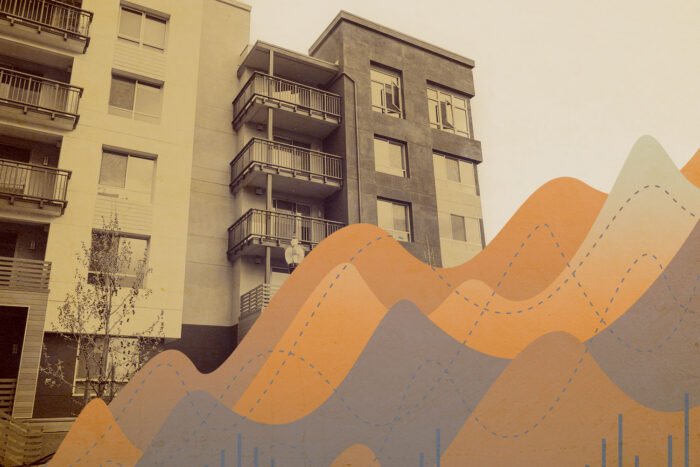
Photo by The Real Deal
Key Takeaways:
- AI growth is fueling heightened demand for apartments.
- Rents may rise as much as 7% over the next year.
- Vacancy rates in Santa Clara and San Benito could drop to about 3%.
- Landlords stand to gain significant pricing power.
- The local housing market may remain tight for the foreseeable future.
A Shifting Housing Landscape
Silicon Valley’s artificial intelligence frenzy is producing ripple effects beyond just the tech sector—apartment landlords are emerging as another set of winners. According to data cited by The Real Deal, the boom in AI-related hiring and investment is reshaping the region’s housing market, leading to a considerable upswing in demand for rental units.
Vacancy Rates Decline
In Santa Clara and San Benito counties, multifamily vacancy is on track to dip to roughly 3 percent within the next two years. Industry analysts believe these rates could mark one of the tightest rental markets the area has seen in more than a decade. With fewer available units, renters are likely to face intensified competition as they search for housing.
Pricing Power for Landlords
As demand outpaces supply, landlords find themselves in a stronger position to set higher rents. Market data from The Real Deal suggests that average rents may climb by as much as 7 percent over the coming year. This imbalance between limited housing availability and surging interest from tech workers gives property owners firm control over leasing terms.
Looking Ahead
While the AI-fueled boom continues, concerns arise over affordability and housing accessibility. Experts expect the region’s rental market to remain exceptionally tight, driven by sustained job growth and ongoing tech investment. As Silicon Valley continues to evolve in the shadow of fast-paced technological advances, the question remains: Will the rush of economic opportunity inadvertently price out the very innovators driving the next wave of progress?