As global tariffs rise, manufacturers are legally altering product designs—a practice known as tariff engineering—to reduce duty costs by changing how their products are classified.
Subscribe
Analysis and Opinions
Export-Import Trends
International Politics
Policy Analysis
Trade Agreements
‘Tariff engineering’ is making a comeback as businesses employ creative ways to skirt higher duties

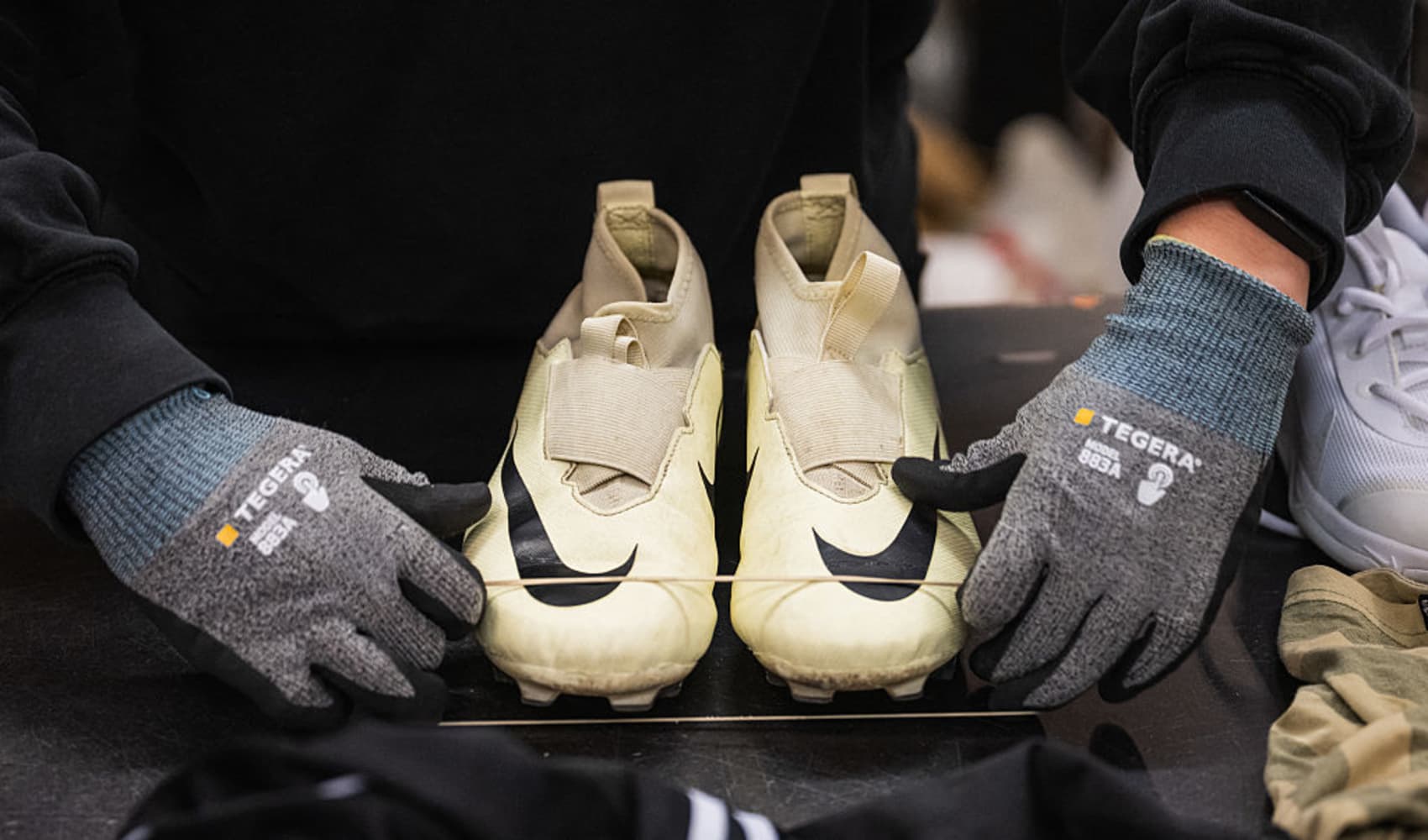
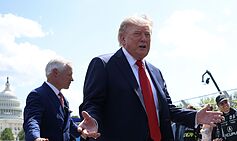
Photo by Nbc 7 San Diego
Key Takeaways:
- Global manufacturers are increasingly employing tariff engineering to lower tariff costs.
- Tariff engineering involves legal modifications to products to change their classification codes.
- The practice has resurged due to higher tariffs imposed during Trump’s presidency.
- Companies like Columbia Sportswear and Converse have successfully used tariff engineering.
- Legal compliance is crucial, as misclassification can lead to accusations of fraud.
Tariff Engineering: A Legal Strategy to Lower Duties
Global manufacturers are increasingly turning to an old but effective practice known as tariff engineering to reduce the impact of escalating tariffs. By strategically altering their products’ design, materials, or composition, companies aim to change how their goods are classified under the Harmonized Tariff Schedule, thereby qualifying for lower duty rates.
A Resurgence Amid Rising Tariffs
The resurgence of tariff engineering comes in response to sweeping tariff hikes imposed during President Donald Trump’s second term. With duties affecting imports from both allies and adversaries, businesses have sought creative ways to mitigate the financial burden. “Tariff engineering is one of the few things you can do to try to get it right and reduce your duty liability,” said John Foote, a customs lawyer at Kelley Drye & Warren in Washington D.C.
Legal and Historical Foundations
Tariff engineering is a legal practice, provided the modifications genuinely alter the product’s characteristics. The concept dates back to an 1882 Supreme Court ruling where an importer coated sugar with molasses to avoid higher tariffs on lighter-colored sugar. The Court deemed the act legal, stating, “So long as the goods are truly invoiced and freely and honestly exposed to the officers of customs for their examination, no fraud is committed.”
Innovative Examples in the Marketplace
Several companies have successfully employed tariff engineering to their advantage. Columbia Sportswear, for instance, added small zippered pockets below the waist on women’s shirts, allowing them to be exempt from higher duties under U.S. customs rules. “I have a whole team of people that work together with designers and developers and merchandisers… to ensure that during the design process that we’re considering the impact of tariffs,” said Jeff Tooze, the company’s vice president of global customs and trade.
Footwear maker Converse implemented a similar strategy by adding fuzzy-felt fabric on the soles of its iconic All Stars sneakers. This modification reclassified the shoes as slippers rather than athletic footwear, drastically reducing the tariff rate. Snuggies, the popular blanket with sleeves, nearly halved its tariff costs after winning a lawsuit in 2017 that reclassified it as a blanket instead of an article of clothing.
Navigating Legal Boundaries
While tariff engineering is permissible, companies must be cautious not to cross into fraudulent misclassification. The case of Ford Motor serves as a cautionary tale. The automaker imported its Transit Connect vans as passenger vehicles, then removed the back-row seats to sell them as cargo vans, thereby circumventing a hefty 25% tariff. The U.S. Justice Department ruled that Ford was “misclassifying cargo vans,” noting that the seats “were never intended to be, and never were, used to carry passengers.”
Challenges in Heavily Regulated Industries
Tariff engineering poses particular challenges for heavily regulated sectors like automotive, aerospace, electronics, and medical devices. Even minor changes may require extensive testing and approval. “You might be looking at another 12 to 24 months of testing, certification, and validation in order to get that done,” said Andrew Wilson, a supply chain strategist at consultancy Supplino Inc.
Seeking Official Guidance
To ensure compliance, U.S. Customs and Border Protection offers a “binding ruling” system where companies can obtain official determinations on product classifications before importing. Adam Lees, an attorney at law firm Harris Sliwoski, described it as “a way for companies to get CBP’s official blessing” before shipment.
The Strategic Importance of Tariff Engineering
For many businesses, even small percentage savings on tariffs can be meaningful given the substantial volumes shipped. As global trade tensions continue to affect the bottom line, tariff engineering remains a vital strategy for companies seeking to navigate the complex landscape of international duties legally and effectively.